Mariama Hamani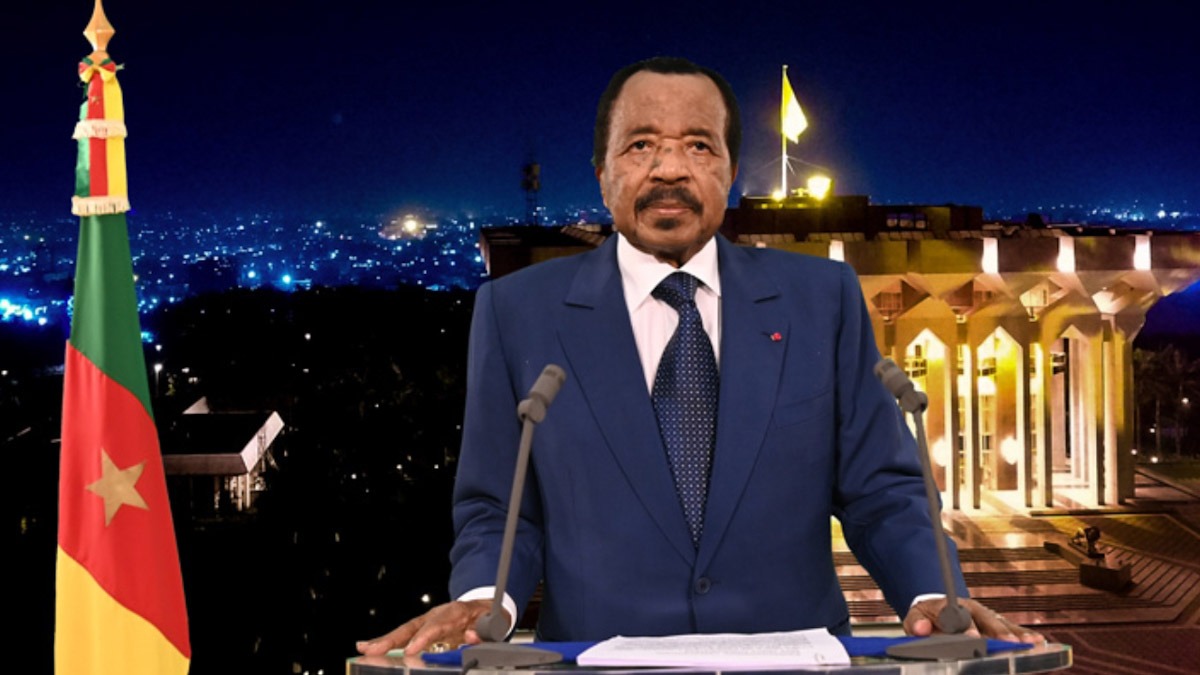
Since June 7, 2026, when President Paul Biya left Yaoundé for a purported ‘short private stay in Europe’, Cameroon has been operating in an unprecedented leadership vacuum. Over two months later, with no public appearances or official return date, this absence has transcended political discourse to directly affect the nation’s economic and social fabric. In a system where centralized authority hinges on presidential authorization, this void is creating tangible, measurable ripple effects across the country.
Economic paralysis: markets stalling and governance at a standstill
The Cameroonian economy operates under a highly centralized model where the president’s signature is essential for national progress. This prolonged absence is likely triggering a cascade of institutional and financial bottlenecks:
- Financial markets in distress: Recent financial assessments reveal that Cameroon’s dollar-denominated bonds are among Africa’s worst-performing. Rating agencies highlight the absence of succession clarity and perceived political instability as key deterrents for international investors.
- Frozen infrastructure projects: Major public-private partnerships and infrastructure initiatives require high-level executive decisions. Without clear directives, pending files pile up in ministerial offices, delaying fund disbursements and budget execution.
- Institutional uncertainty persists: Despite the April 2026 constitutional reform introducing a vice-presidential position to mitigate vacancy risks, the role remains unfilled. A long-overdue ministerial reshuffle continues to stall, maintaining administrative gridlock.
Everyday struggles: soaring costs and mounting public frustration
For ordinary citizens, the consequences of institutional paralysis are immediate and severe:
- Rising living costs: Local markets face persistent inflation on essential goods and fuel. Without responsive budget adjustments or price controls, household purchasing power continues to decline.
- Distrust and anxiety spreading: The lack of official communication fuels unfounded rumors across social media. This information blackout is breeding resentment among the population and youth, fostering a tense social climate.
- Neglected priorities: Critical issues such as the Anglophone crisis, youth unemployment, and deteriorating infrastructure lack decisive political leadership needed for sustainable solutions.
A stark reflection of systemic weaknesses
The prolonged absence of President Biya, Cameroon’s long-standing leader, is exposing the fragility of a governance model overly reliant on a single figure. It underscores how the concentration of power around one individual weakens the entire socio-economic framework when that individual steps back.
For Cameroon to restore investor confidence and social stability, urgent measures are required—clarifying leadership succession and restarting day-to-day governance must take precedence.


 Boureima Amadou