Boureima Amadou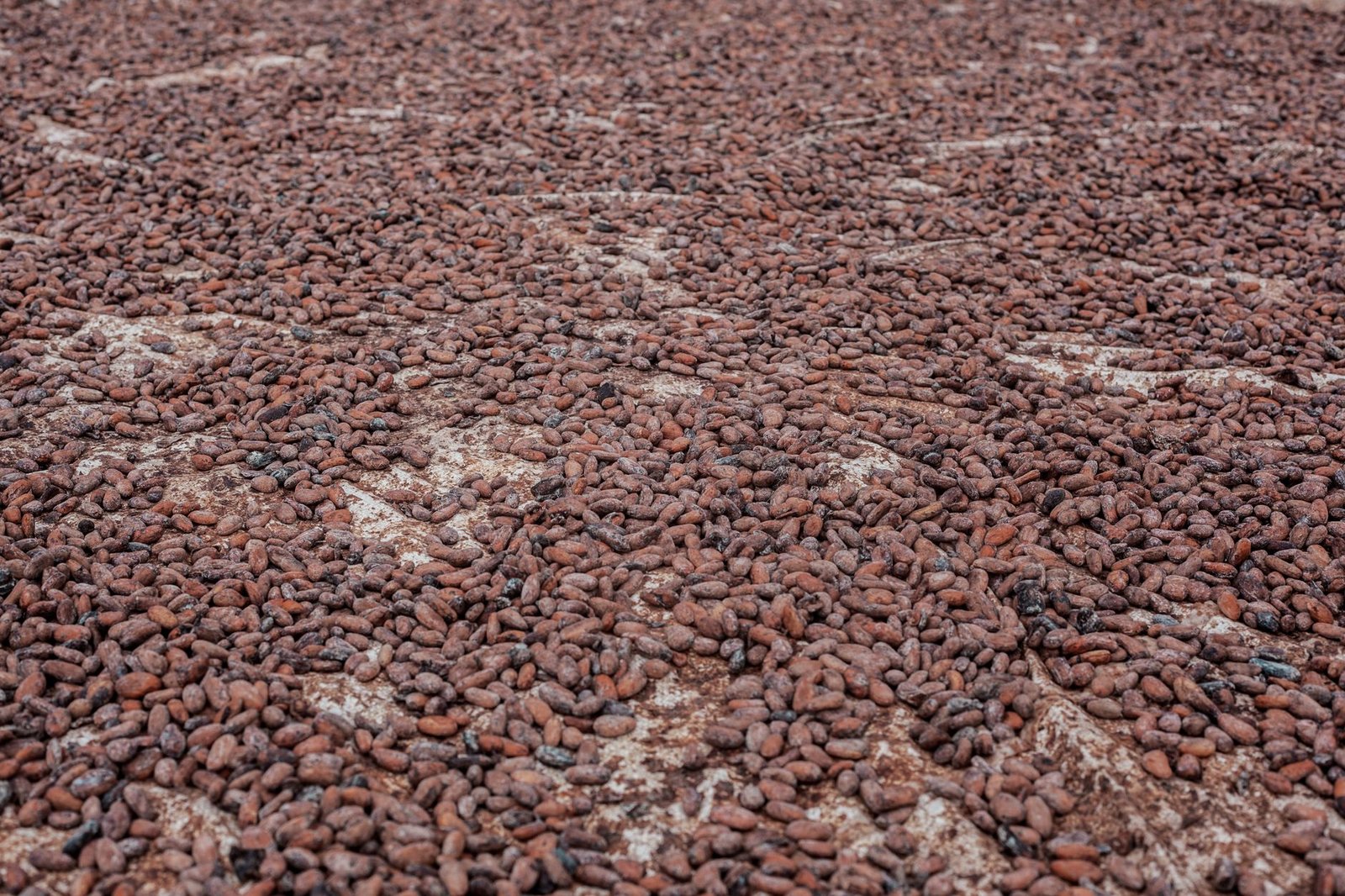
Cameroon’s cocoa sector has reached a significant milestone. By July 7, 2026, cocoa beans were trading between 2,500 and 2,600 FCFA per kilogram across the nation’s primary growing regions. This marked the highest point since the 2025-2026 campaign commenced. These figures, monitored by the national cocoa and coffee office, positioned producer prices at a record peak with just eight days remaining until the official season close on July 15.
A belated recovery following a sluggish campaign
The upward trend, evident for approximately two months, left growers feeling largely disappointed for much of the season. It wasn’t until June 22, 2026, that the 2,000 FCFA per kilogram threshold was finally surpassed, a first since the campaign’s launch in Mbankomo on August 7, 2025. This means that for over ten months, Cameroonian producers sold their beans at prices consistently below their initial seasonal expectations.
This late resurgence, however, does little to dispel the sense of missed opportunity among producers in the Centre, South-West, and Littoral regions. The 2,600 FCFA achieved at the campaign’s close remains significantly below recent peak prices. During the 2024-2025 season, cocoa beans reached an impressive 5,400 FCFA per kilogram in some areas. A year prior, throughout the 2023-2024 campaign, prices even approached 6,000 FCFA, an unprecedented level that had profoundly reshaped the economic landscape of cocoa-producing villages.
Global market shift to surplus impacts local prices
The disparity between actual prices and official forecasts is substantial. At the outset of the campaign, Cameroonian authorities had projected prices ranging from 3,200 to 5,400 FCFA per kilogram, aligning with the exceptionally strong global rates observed over the preceding two years. However, international market conditions took an unexpected turn. Following several seasons characterized by a severe supply deficit, largely attributed to adverse weather in Côte d’Ivoire and Ghana, the global market fundamentally shifted.
Recent assessments indicate a return to a structural surplus in global production, which inherently depresses prices. This easing of supply was compounded by a slowdown in industrial demand across several major consumer markets. Here, processing companies reduced their purchases as the cost of finished products on shelves increased. This dual effect eliminated the scarcity premium that had bolstered prices in New York and London since 2023, consequently impacting the farmgate prices paid in African producing regions.
An ambivalent signal for Cameroon’s cocoa sector
For the national cocoa and coffee office and other industry stakeholders, the late-campaign price peak offers limited volumetric benefit. The majority of Cameroon’s cocoa output, estimated at approximately 300,000 tonnes annually, is typically sold between September and May, well before the lean season. Producers still holding stocks for sale in July represent a statistical minority, thereby diminishing the macroeconomic impact of this recent price rebound on farmer incomes.
Nevertheless, the market signal transmitted just weeks before the 2026-2027 campaign opens is not insignificant. A sustained strengthening of prices above 2,500 FCFA could establish a valuable psychological floor, helping to recalibrate future expectations. Cameroonian authorities will, however, need to balance optimistic communication with budgetary prudence, especially as cocoa remains one of the nation’s primary non-oil foreign exchange earners. The performance of European grinders and the scale of the main West African harvest will prove crucial in determining the path forward for Cameroon’s cocoa prices.
The 2,600 FCFA price point now stands as the new record for the 2025-2026 cocoa campaign, which officially concludes on July 15, 2026.