Mariama Hamani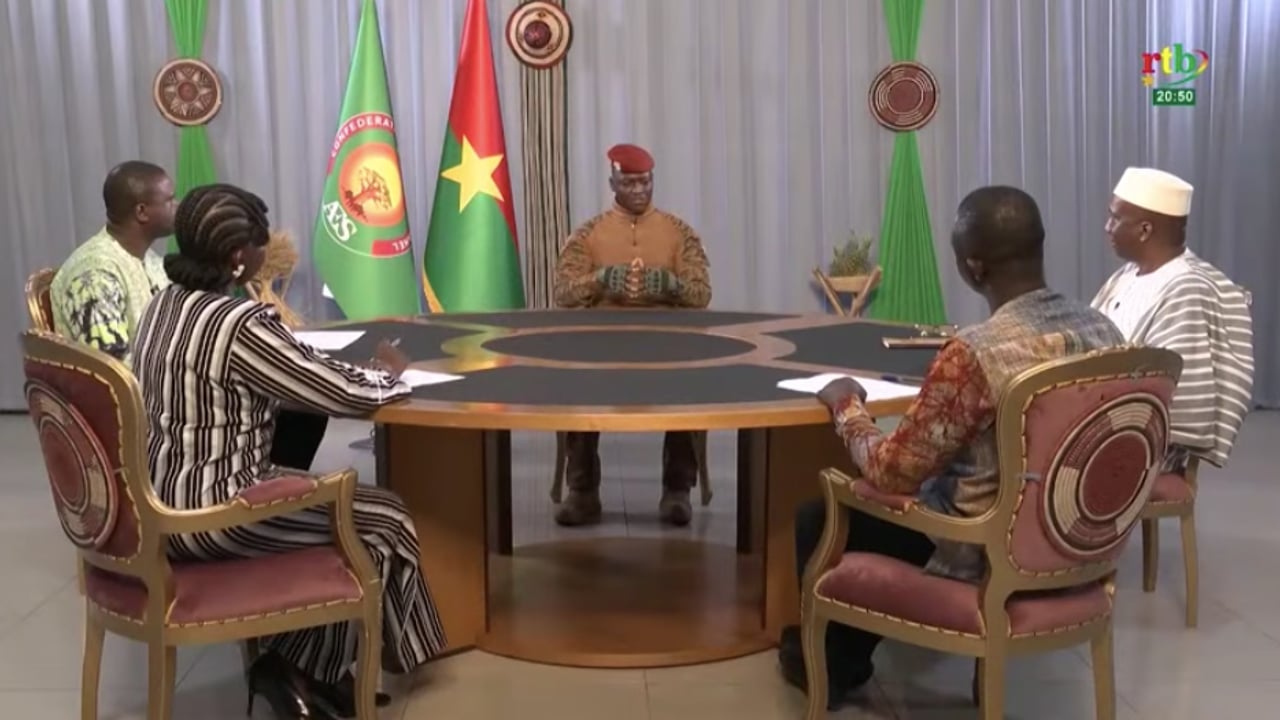
The government of Burkina Faso has formally protested against Canal+, a major French broadcaster, for failing to provide free airtime to national television channels. The move comes as tensions rise over media access and public broadcasting rights in the country.
The Ministry of Communication issued a stern warning, emphasizing that national television represents a public service that must remain accessible to all citizens without restrictions. Officials stressed that the refusal to broadcast national content free of charge violates national media regulations and undermines the principles of transparency and inclusivity in public information dissemination.
This latest dispute highlights ongoing concerns about media freedom and government oversight in Burkina Faso. The national broadcaster, which recently aired an exclusive interview with Captain Ibrahim Traoré, the country’s leader, has faced increasing pressure to ensure its content reaches the widest possible audience.
Government calls for immediate resolution
The authorities have demanded that Canal+ comply with local broadcasting laws by providing unconditional access to national television programming. Failure to do so, they warned, could lead to further legal and administrative measures.
Industry observers note that this case reflects broader challenges in balancing commercial interests with public service obligations in African media markets. As digital platforms expand, traditional broadcasters often struggle to maintain their reach and influence.
Impact on public access to information
National television remains a primary source of news and official updates for millions of Burkinabè citizens. By restricting free access, critics argue, Canal+ risks limiting the public’s right to timely and accurate information.
The government has reiterated its commitment to protecting media pluralism and ensuring that all citizens can access essential public services through television. Negotiations are expected to continue in the coming days, with both sides under pressure to find a swift resolution.

 Boureima Amadou