
 Mariama Hamani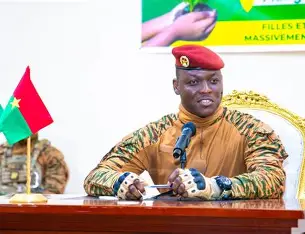
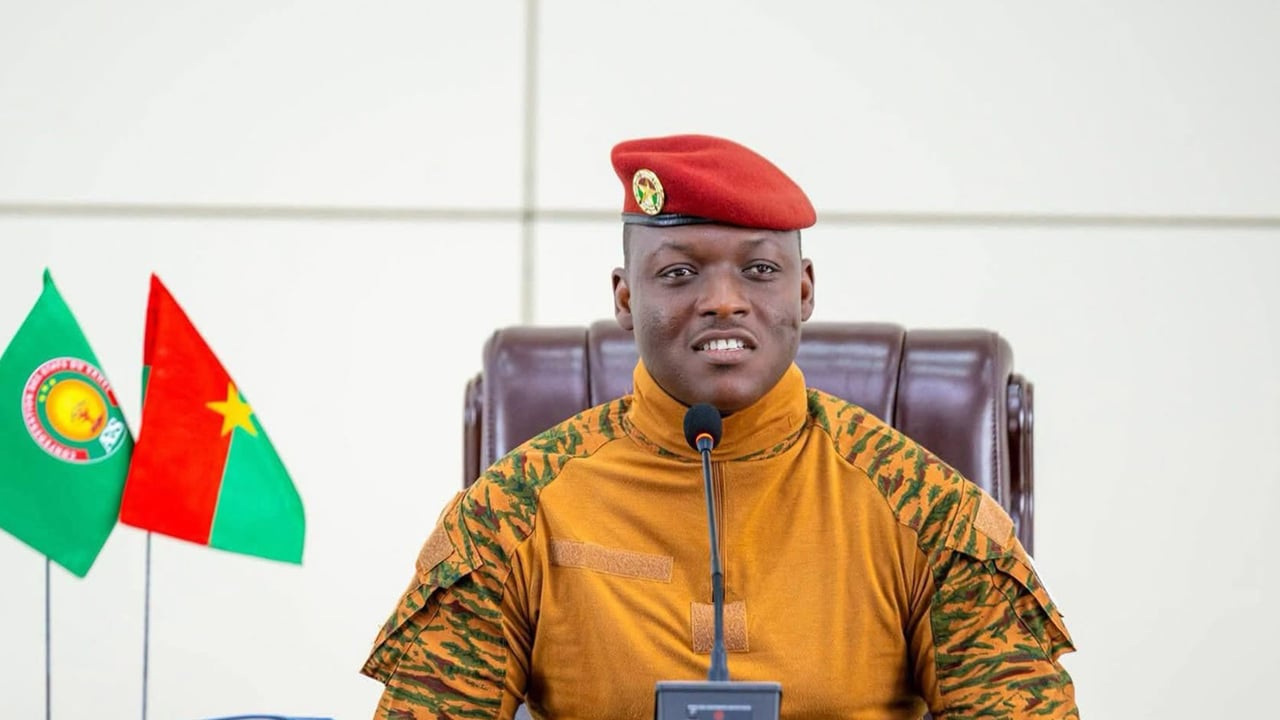
The President of Burkina Faso, Captain Ibrahim Traoré, has delivered a landmark address that signals a pivotal shift in the nation’s political trajectory. In a firm yet conciliatory tone, the Head of State addressed the plight of Burkinabè citizens currently living in exile, extending an unmistakable invitation to return while upholding the inviolability of justice.
The Head of Transition emphasized that the country remains a welcoming home for all its people, regardless of past circumstances. This overture extends to those who left Burkina Faso due to allegations or involvement in sensitive matters. However, the gesture is accompanied by an unequivocal stipulation: the strict adherence to ongoing and future judicial proceedings.
Reintegration without impunity
Captain Ibrahim Traoré clarified that the executive branch will maintain a firm separation from judicial processes. The voluntary return of an exile does not imply amnesty or the suspension of legal proceedings against them.
« A return to the nation does not absolve one of accountability before the law, » officials stated, underscoring the government’s unwavering commitment to this principle.
National unity and legal integrity
The current administration’s stance reflects a dual objective: fostering national cohesion while reinforcing the rule of law. By extending the opportunity for return to all citizens, regardless of their political or social background, the government seeks to mend divisions and promote inclusivity.
At the same time, the leadership has made it clear that no individual—regardless of their status—is exempt from legal scrutiny. The justice system will operate independently, free from external interference, ensuring that accountability remains a cornerstone of the nation’s recovery.
For political observers, this declaration places the onus squarely on the shoulders of those in exile. Their decision to return will be met with a legal process that the government assures will be conducted with fairness and impartiality, in accordance with the principles of a democratic state governed by the rule of law.

 theafricantribune
 Boureima Amadou




