
 Mariama Hamani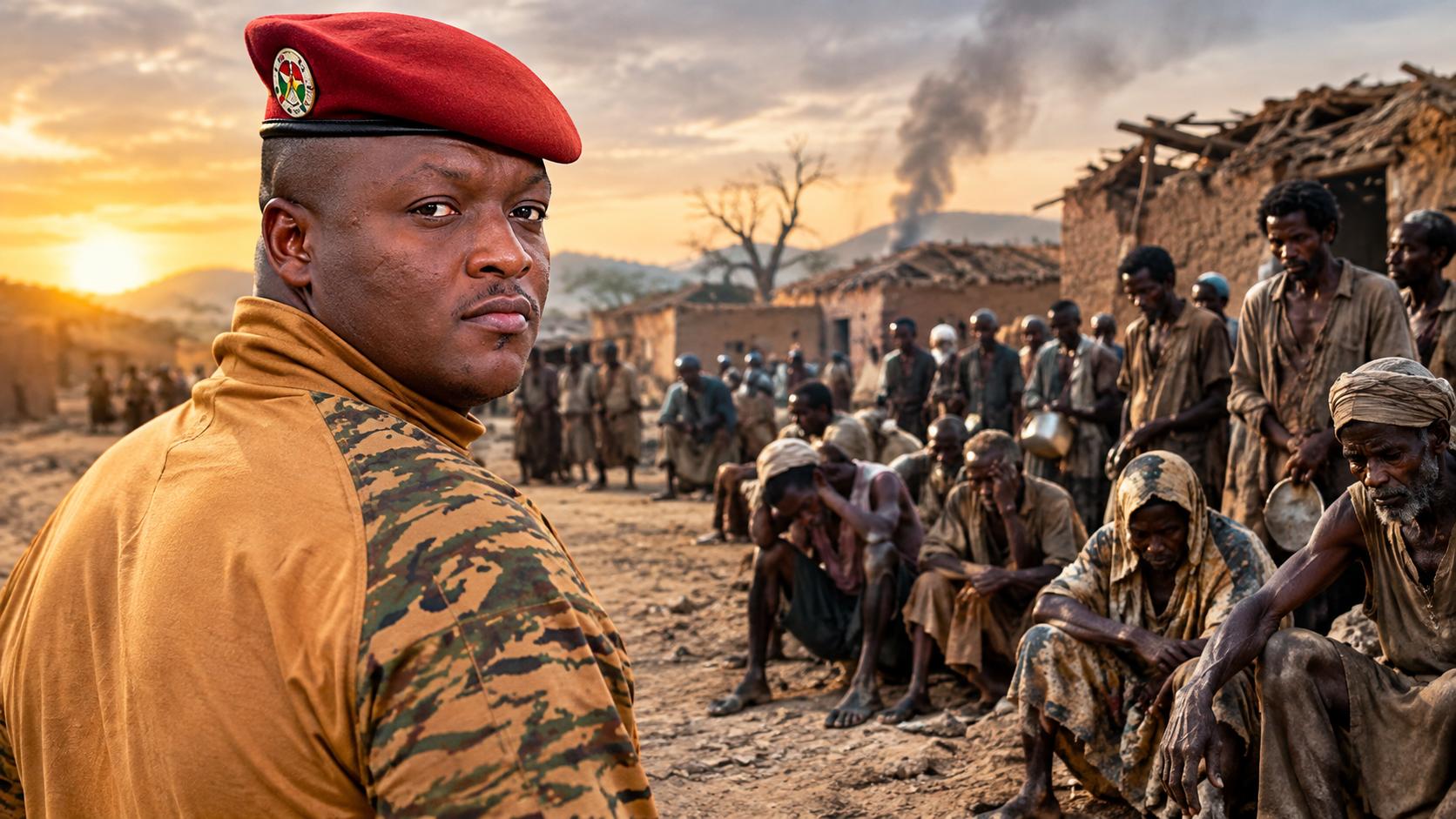
Barely 77 kilometres north-east of Ouagadougou, the village of Boussouma has become a byword for the devastating consequences of state retreat. What was once a thriving crossroads of trade and a symbol of community cohesion is now a ghost settlement, its population driven out by the steady advance and entrenchment of armed terrorist groups. The impact is felt far beyond the village limits: families scattered, livelihoods destroyed, and a strategic buffer zone erased from the map.
The unravelling of traditional authority: a green light for attackers
The security collapse did not happen in a vacuum. It followed directly from the recent reorganisation of the administrative and traditional framework imposed by the authorities. By dismantling local customary authorities and disrupting the historic administrative network — through the application of legislation on the status of customary chieftaincy (law No. 002-2026/ALT) and adjustments within the Royal Court of Boussouma — the central government broke the social shield and informal security anchor that had held the area together.
This institutional vacuum and the resulting loss of bearings acted on the ground as a starting signal for armed groups. Exploiting the weakened traditional structures that had provided community relay and local intelligence, the attackers quickly moved in to impose their control.
The noose tightens around the capital
The gradual entrenchment of armed groups and the near-total displacement of Boussouma’s population mark a critical stage in the country’s security deterioration. To see a village located less than 80 kilometres from the capital deserted under terrorist pressure lays bare the scale of the state’s territorial retreat.
As displaced families pour into neighbouring localities or try to reach the outskirts of Ouagadougou in utter destitution, the abandonment of Boussouma raises urgent questions about the wisdom of ongoing institutional reforms. Local populations see these decisions as disconnected from the vital emergencies on the ground — and the human and economic costs are mounting by the day.


 Boureima Amadou





