
 Boureima Amadou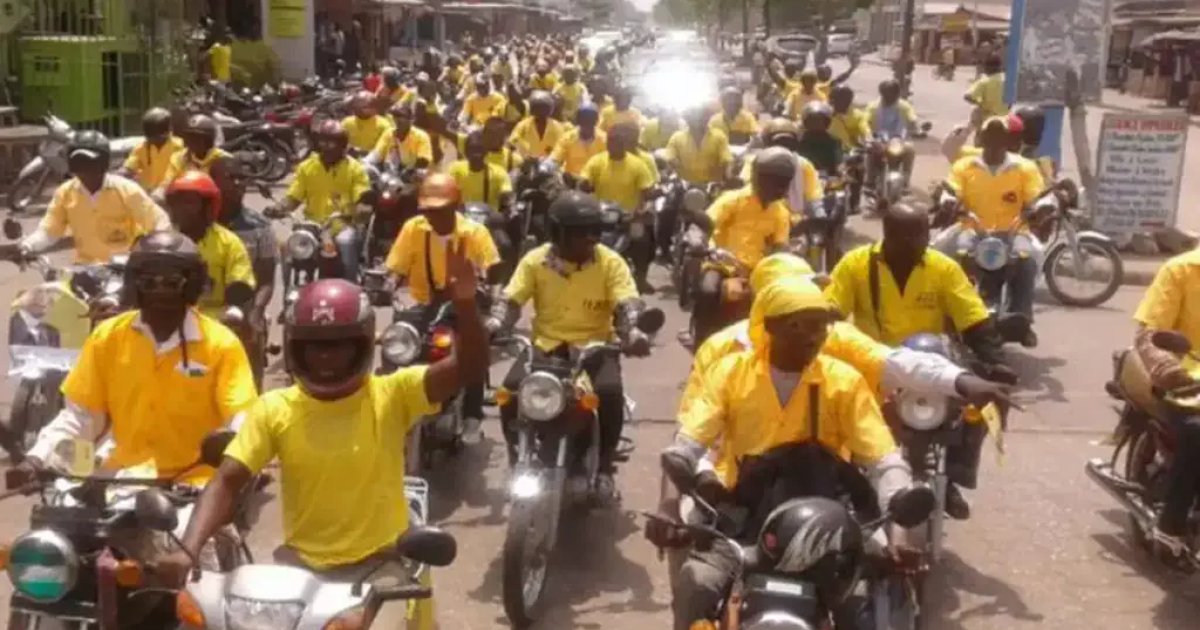
Benin’s traffic crackdown: the real toll on households, businesses and the economy
A sweeping police offensive against road code violations in Benin is already hitting wallets, slowing daily routines and reshaping the cost of moving people and goods across the country.
Since Sunday, September 20, 2026, law enforcement units have launched a large-scale campaign targeting motorists and motorcyclists who breach traffic regulations. More than one hundred two-wheeler riders and about ten car drivers were stopped and penalised during the first two days of the operation at several strategic points nationwide.
The pace of enforcement accelerated sharply on Tuesday, September 22, 2026, in Benin’s economic hub. In the Fidjrossè area alone, over forty motorcyclists were intercepted within a single hour, while many car drivers were also apprehended along the Marina boulevard.
Offenders face a strict fee schedule: using a phone while driving or riding carries a fine of 20,000 CFA francs, overloading attracts a 10,000 CFA franc penalty, driving against traffic costs 6,000 CFA francs, and failing to wear a protective helmet is fined 5,000 CFA francs.
Patrols are also keeping a close eye on traffic light compliance. Anyone running a red light faces the regulatory sanctions set out in the law.
A coordinated push across Benin’s major urban centres
Far from being confined to the economic capital, this security clampdown covers all urban hubs in Benin. Police detachments are actively deployed at junctions and main roads in Abomey-Calavi, Porto-Novo, Sèmè-Podji, Ouidah, Bohicon and Parakou.
The stated goal of the police command is to stamp out risky behaviour, protect human lives and restore lasting collective discipline on the national road network.
What the crackdown means for citizens and businesses
For ordinary households, the fines represent a direct hit on already tight budgets. A single 20,000 CFA franc penalty for phone use can wipe out a day’s earnings for a motorcycle taxi operator, while repeated 5,000 CFA franc helmet fines add up quickly for low-income riders.
Businesses that rely on road transport are also feeling the pressure. Delivery schedules are being disrupted as drivers are stopped at checkpoints, and companies that depend on two-wheelers for last-mile distribution face higher operating costs when their riders are fined or temporarily detained.
Economists note that while safer roads can reduce accident-related costs over time, the immediate effect is a transfer of money from households and small enterprises to state coffers. The long-term economic benefit will depend on whether the enforcement is sustained and whether the revenue is reinvested in road safety infrastructure.
For now, commuters are adjusting their routines, leaving earlier to avoid delays, and many riders are choosing to comply rather than risk another fine. Whether this behavioural shift lasts beyond the current operation remains the central question for Benin’s economy and its road users.








