Boureima Amadou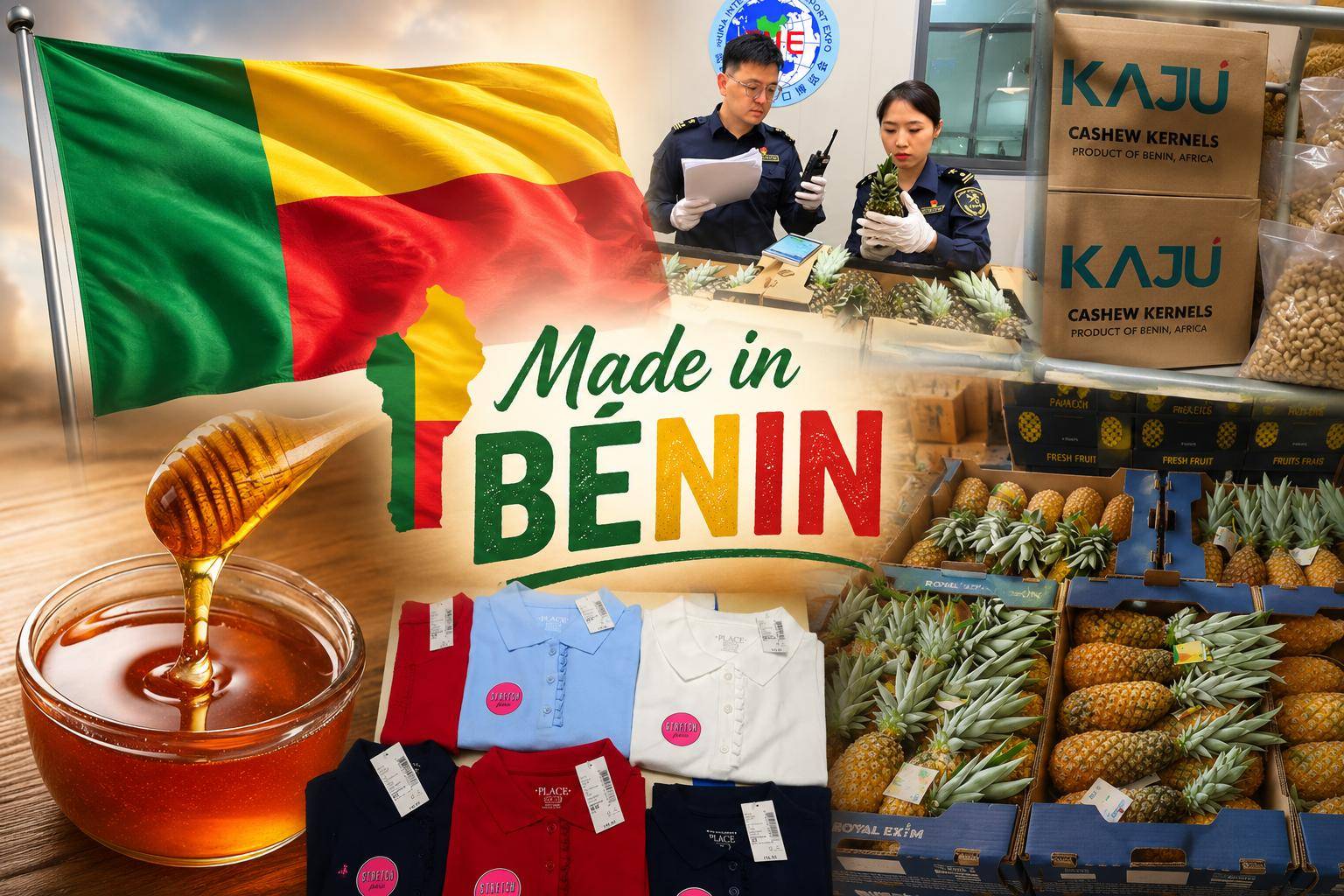
From local harvests to international tables: The Beninese agricultural revolution
Benin’s agricultural sector is undergoing a remarkable transformation, with premium products like pineapple, soya beans, and honey breaking into high-end global markets. This shift is not accidental—it’s the result of a deliberate national strategy led by President Patrice Talon’s administration to meet stringent international standards and turn local farmers into global players.
Overcoming export barriers: The norm compliance challenge
The journey to global recognition hasn’t been easy. Beninese agricultural products, once confined to regional trade, faced formidable hurdles in accessing Western and Asian markets due to strict phytosanitary regulations. Take pineapple, for example: in 2017, exports to Europe were halted due to compliance issues, forcing the country to overhaul its entire production and export framework. Exporting isn’t just about quality—it’s about meeting international benchmarks of safety and traceability.
The government took decisive action. Major investments were directed toward upgrading national laboratories, including the Beninese Agency for Food Safety (ABSSA), to align with global standards. These structural reforms paid off, securing long-term market access for Beninese goods. Today, these products aren’t just competitive in taste—they stand out for their reliability and safety credentials.
Honey: Benin’s ‘liquid gold’ making waves in Europe
The turning point came in early 2018, when the European Commission granted Benin official approval to export honey to EU markets. This milestone was no small feat—it validated the purity and uniqueness of Beninese honey, often produced through sustainable, biodiversity-friendly beekeeping practices in the northern and central regions of the country.
For local beekeepers, this was a game-changer. Honey is no longer a simple local commodity; it’s a premium product sought after for its therapeutic qualities and distinct flavors. The shift has brought stable, lucrative pricing, turning beekeeping into a highly attractive venture for rural youth and ensuring sustainable livelihoods for farming communities.
Diversified champions: Soya, pineapple, and cashew on the rise
Benin’s agricultural success story extends beyond honey. In October 2021, the ‘Pain de Sucre’ pineapple from the Allada Plateau earned the country’s first ever Geographical Indication (GI) certification from OAPI. Celebrated for its exceptional sweetness, this pineapple is now shipped fresh to Western markets or processed into 100% pure fruit juices, showcasing Benin’s freshness advantage.
Meanwhile, soya beans—especially organic varieties—are in high demand across Europe and Asia. Thanks to the Glo-Djigbé Industrial Zone (GDIZ), Benin is moving beyond raw bean exports to offer processed, high-value products. Cashew nuts follow a similar positive trajectory: by phasing out raw nut exports, the country is now producing and exporting shelled kernels, creating thousands of local jobs and adding value before global distribution.
Real impact: Prosperity returns to Benin’s farms
The benefits of this agricultural renaissance are visible on the ground. Farmers are no longer at the mercy of volatile local markets—they now sell with confidence, knowing their produce meets international demand and fetches fair prices.
« Today, we sell our soya beans knowing we’re getting a fair return, » says a producer from Savalou. This stability is reshaping rural economies, strengthening cooperatives, and reducing poverty. The push for international compliance has also professionalized farming practices, with farmers receiving training, adopting modern harvesting techniques, and reducing chemical inputs to protect soil health for future generations.
For Benin, this is more than economic growth—it’s a strategic win. Agriculture employs over 60% of the active population and is now a major source of foreign exchange, helping to rebalance the national trade deficit. The sector is proving to be a true engine of development and stability.
The ‘Made in Benin’ seal: A mark of excellence
Benin’s agricultural identity has evolved. Through rigorous reforms, institutional strengthening, and landmark certifications—from the 2018 honey approval to the 2021 pineapple recognition—the country has carved out a reputation for quality and authenticity.
From golden forest honey to sweet plateau pineapples, Beninese craftsmanship is now exported with pride. This success story proves that with clear vision, strong policy, and farmer commitment, African agriculture can nourish the world with excellence. The ‘Made in Benin’ label is no longer just a tag—it’s a promise of premium quality and trust.