
 Mariama Hamani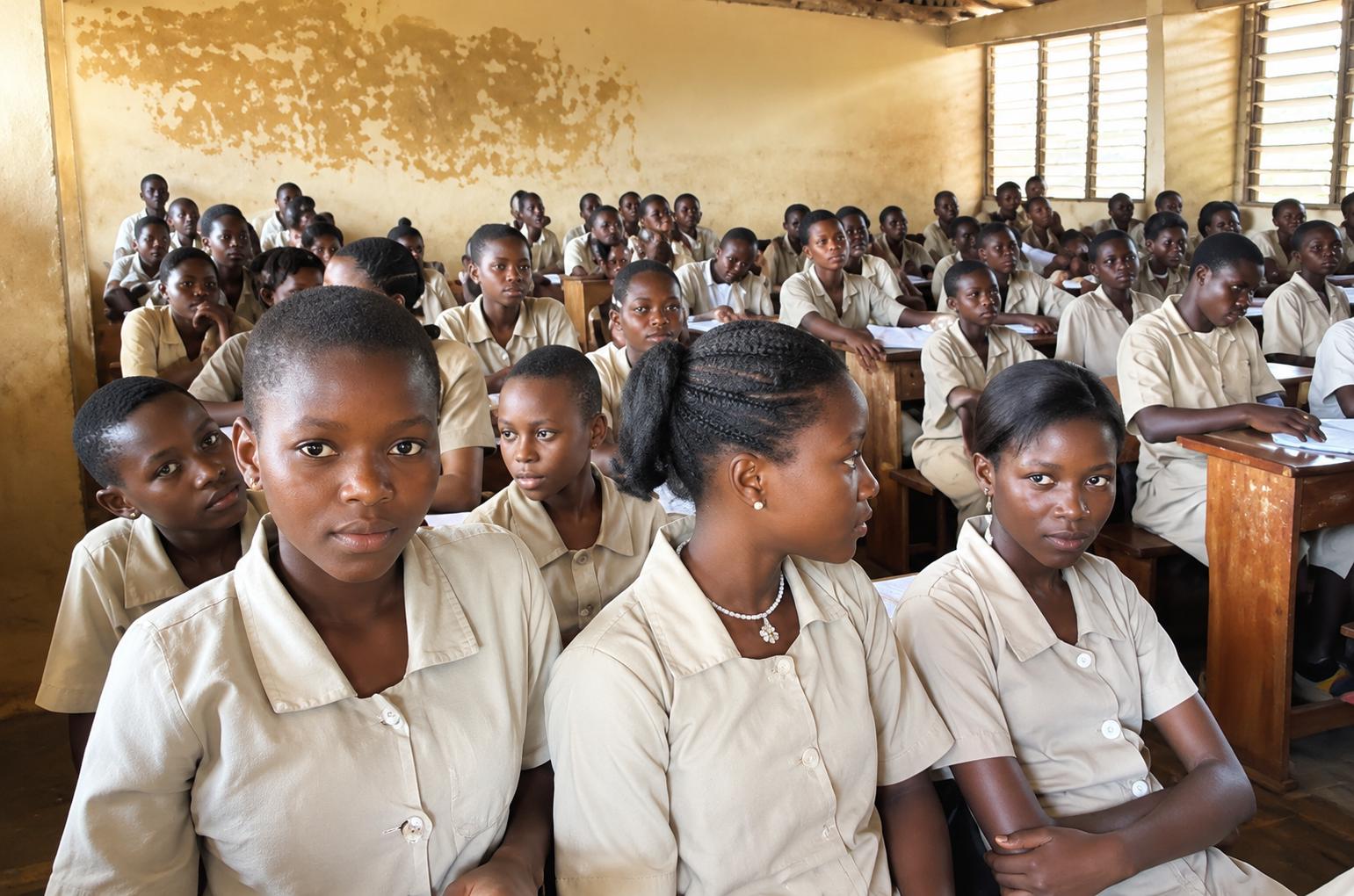
Along Benin’s northern borders, where terrorist threats persist, the government is making one thing clear: it will not let asymmetric warfare dictate its timetable. The decision to close and relocate several schools from the “red zones” of the Atacora and Alibori departments to safer areas is part of a doctrine built on prevention and state caution.
By moving ahead of the danger, public authorities are cutting short the intimidation tactics of non-state armed groups, whose methods rely on surprise and attacks on vulnerable targets. Across several countries in the sub-region, schools have become scenes of violent incursions aimed at breaking the education system and spreading terror in rural communities. By ordering a strategic retreat of classes before any major incident, Benin rejects the pattern of late reaction.
A civil protection policy built on three pillars
This approach to safeguarding civilians rests on three major imperatives:
- The primacy of human life: Ensuring the physical safety of students, teachers and administrative staff remains the absolute precondition for any public action.
- Continuity of schooling: Relocation to secure areas comes with an emergency plan that includes transferring learners, logistical support for teaching staff and expanding the school canteen programme to prevent dropouts and maintain the educational link.
- Preserving territorial sovereignty: Refusing to abandon young people to insecurity is part of the broader security network deployed by defence and security forces on the ground.
By choosing to adapt its school map to conditions on the ground, the Beninese executive shows that responsible governance is not measured by its ability to manage damage after a tragedy, but by its capacity to assess risks and act beforehand. Anticipation remains the strongest shield today for preserving national unity and guaranteeing education for future generations.
Targeted prevention versus forced chaos: what Benin’s model teaches the Sahel
The reach of this policy becomes clear when compared with the situation in the countries of the Alliance of Sahel States (AES) – Burkina Faso, Mali and Niger. Forced to handle security emergencies after the fact, these states have suffered the brutal and chaotic closure of more than 10,000 schools under direct pressure from armed groups, pushing millions of children into dropping out and displacement.
Where the Sahel endures a major education crisis imposed by the enemy after repeated attacks, Benin chooses proactivity. By anticipating the threat and orchestrating the methodical transfer of its schools before any tragedy, the Beninese state avoids the collapse of the education system in the North: it does not cede ground, keeps control of its territory and demonstrates that clear-headed governance prefers to reorganise its structures upstream rather than count its losses at the front lines.


 Boureima Amadou





