
 Mariama Hamani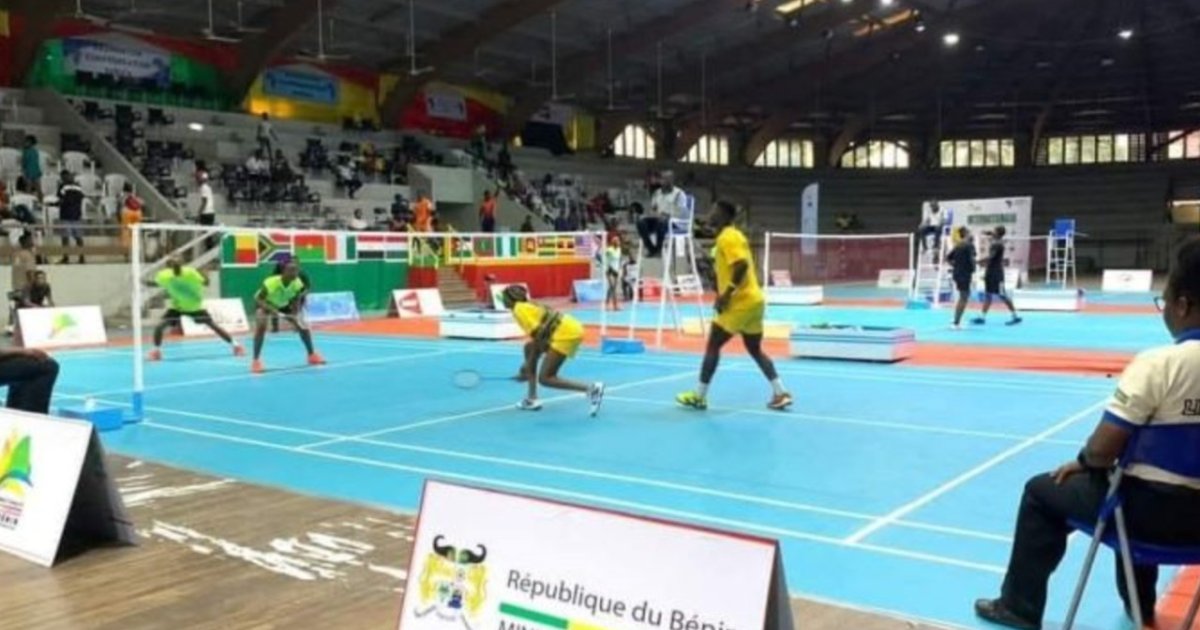
A continental title with real-world consequences for Benin
Benin’s men’s triples team delivered a performance that will be felt far beyond the courts of Entebbe. On Saturday, September 19, 2026, Oswald Fano-Dosh, Carlos Kpanou, Julien Totin and Preferet Adomahou swept Mauritius 3-0 in the AirBadminton African Championships final, handing their nation a gold medal that carries immediate implications for the visibility of the sport at home.
The victory did not happen in isolation. Mauritius had reached the final by edging Egypt 3-2 in a hard-fought semifinal, but against Benin they failed to win a single game, settling for silver. The 3-0 scoreline confirms Benin’s dominance in a discipline that remains relatively young on the continent.
From team relay silver to historic gold: a two-day turnaround
What makes this triumph more significant is the timing. Just two days earlier, Benin had claimed silver in the Team Relay event after a narrow 60-57 loss to Egypt. That team performance had already secured Benin’s qualification for the BWF AirBadminton World Championships 2026, but the gold in men’s triples adds a different kind of weight: it proves that Benin can convert potential into podium-topping results.
How the triples format shaped the outcome
AirBadminton’s triples format, unique to the discipline, pits three players per side against each other in a best-of-five-games contest. The first team to win three games takes the match. Benin’s 3-0 sweep therefore represents a clean, uncontested victory — no dropped games, no room for a Mauritius comeback. For a small delegation, that kind of efficiency on the final day signals growing tactical maturity.
What the gold means for Benin’s sporting ecosystem
The African Championships in Entebbe brought together 14 nations and more than 120 participants, according to the Badminton Confederation of Africa and the Uganda Badminton Association. Against that backdrop, Benin’s gold is more than a single medal. It is a signal to sponsors, sports authorities and young athletes that AirBadminton can deliver international success — and that investment in the discipline may yield tangible returns.
For a country that has traditionally been associated with football and a handful of other sports, this title opens a door. The question now is whether Benin’s sporting institutions will seize the moment to build on the momentum, or whether the victory will remain an isolated highlight. The consequences, in other words, are only beginning to unfold.


 Boureima Amadou





