
 Boureima Amadou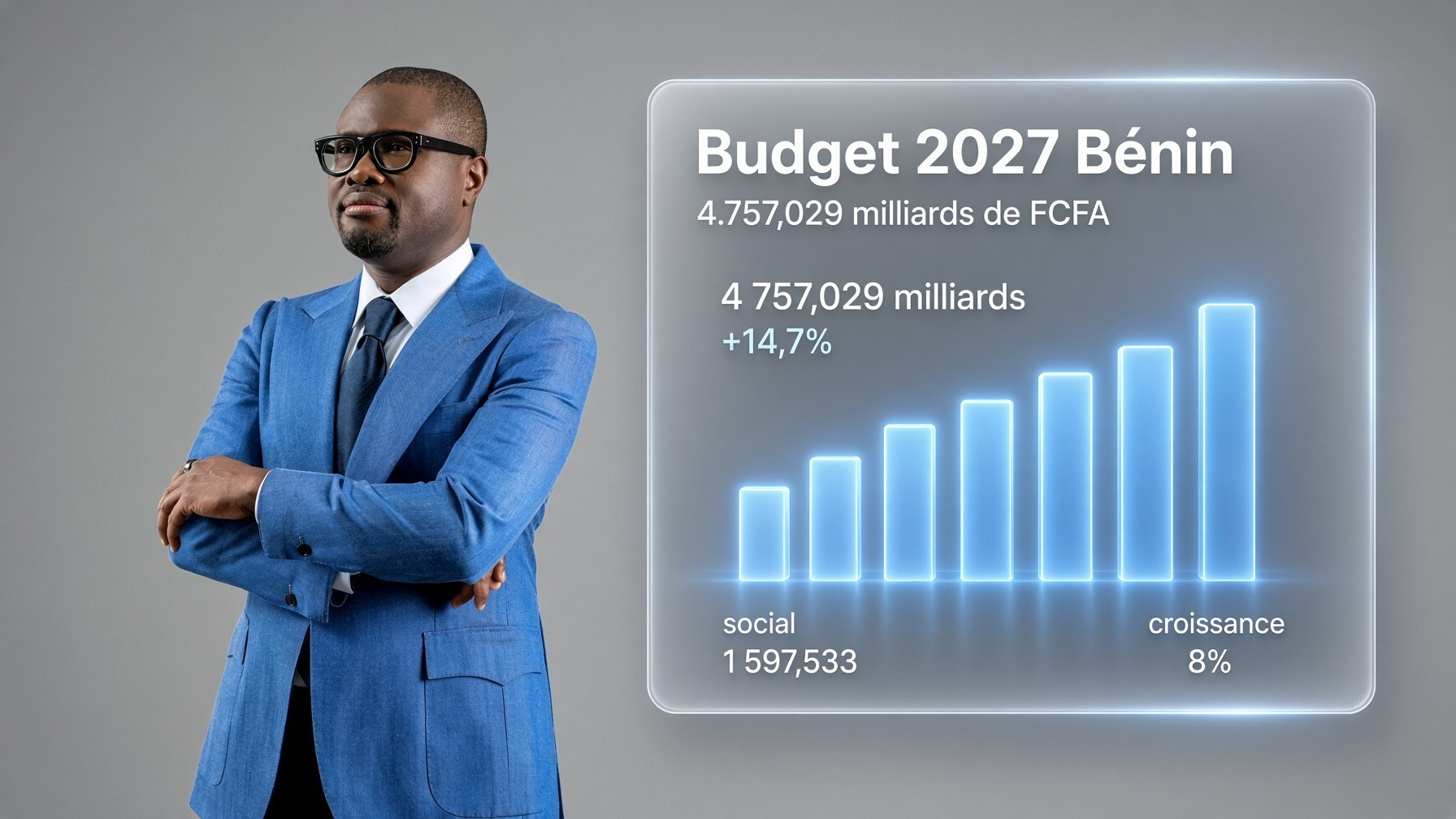
Budget 2027: Benin’s new 4.75 trillion FCFA financial plan
The Beninese government has finalized a record budget for 2027, presenting a 4.75 trillion FCFA ($7.9 billion) plan to parliament. This marks a 14.7% increase from the revised 2026 budget, signaling a major commitment to economic transformation and social progress.
How the 14.7% budget increase will reshape Benin’s economy
The 2027 budget increases total resources to 4.757 trillion FCFA, up from 4.15 trillion FCFA in the 2026 revision. This significant boost aims to drive multiple economic priorities:
- 7.5% GDP growth target – The highest projected growth in the region
- 2.8% budget deficit – Aligned with West African regional standards
- 2% inflation rate – Below the 3% UEMOA community threshold
The five pillars driving Benin’s economic transformation
Agriculture modernization at the core
The agricultural sector receives renewed focus as the foundation of Benin’s economic evolution. Strategic investments will target:
- Productivity enhancement through modern techniques
- Local value addition in food production
- Development of agricultural value chains
Industrial development and job creation
With unemployment remaining a critical challenge, the industrial sector will see targeted interventions:
- Incentives for value-added manufacturing
- Support for SME competitiveness
- Industrial zone development initiatives
Tourism and culture as economic drivers
Benin’s rich cultural heritage and untapped tourism potential will receive enhanced promotion:
- Heritage site revitalization
- Destination marketing campaigns
- Cultural industry support programs
Technology innovation for modern needs
The digital transformation agenda includes:
- Expansion of digital infrastructure
- IT sector skill development programs
- Increased digital service delivery
Human capital development priorities
Education and health reforms will shape the future workforce:
- Teacher recruitment programs
- Vocational training expansion
- Healthcare infrastructure upgrades
Where the money goes: sectoral allocation breakdown
The 2027 budget directs significant investments toward:
- Education: 1.2 trillion FCFA (school infrastructure, digital learning, teacher recruitment)
- Health: 850 billion FCFA (5 new regional hospitals, nutrition programs)
- Agriculture: 650 billion FCFA (mechanization, irrigation)
- Energy: 450 billion FCFA (renewable energy expansion)
- Social protection: 1.6 trillion FCFA (conditional cash transfers, school feeding programs)
Education: Building foundations for tomorrow
School infrastructure receives 450 billion FCFA, including:
- 120 new school buildings
- 500,000 student desks and chairs
- Digital learning platform expansion
- Female secondary education fee waiver nationwide
Healthcare transformation begins
The health sector allocation of 850 billion FCFA will fund:
- 5 new regional hospitals
- 20 district hospital upgrades
- Universal childhood vaccination programs
- Maternal and child nutrition initiatives
Social protection: Expanding safety nets for vulnerable populations
The expanded social budget reaches 1.6 trillion FCFA, with major programs including:
- ARCH Program expansion: Scaling up conditional cash transfers for extreme poverty reduction
- National social services platform: Centralized welfare delivery system
- School feeding initiative: Nationwide expansion targeting 2 million children annually
- Emergency social response: New national system for crisis intervention
Targeted programs for different demographics
Benin’s social strategy includes specific interventions for:
- Rural youth employment through agricultural training
- Female entrepreneurship support programs
- Urban poverty alleviation initiatives
- Disability inclusion workforce programs
Local governments gain new financial tools
The 2027 budget strengthens municipal financing through:
- Communal Investment Fund activation: New infrastructure financing mechanism
- Economic zoning reforms: Enabling local revenue generation
- Decentralized project funding: Greater local control over development
These changes aim to reduce dependence on state allocations while promoting locally-driven growth initiatives.
From budget to impact: the execution challenge
With Benin’s most ambitious budget yet, the critical question remains execution. The government faces:
- Ensuring timely disbursement of funds across sectors
- Monitoring project implementation quality
- Measuring results against 7.5% growth target
- Balancing economic expansion with debt sustainability
- Maintaining social spending effectiveness
The parliamentary review process now begins, where legislators will scrutinize these ambitious plans before final approval. The outcome will determine whether 2027 becomes a turning point for Benin’s economic and social trajectory.



 Mariama Hamani


