
 Mariama Hamani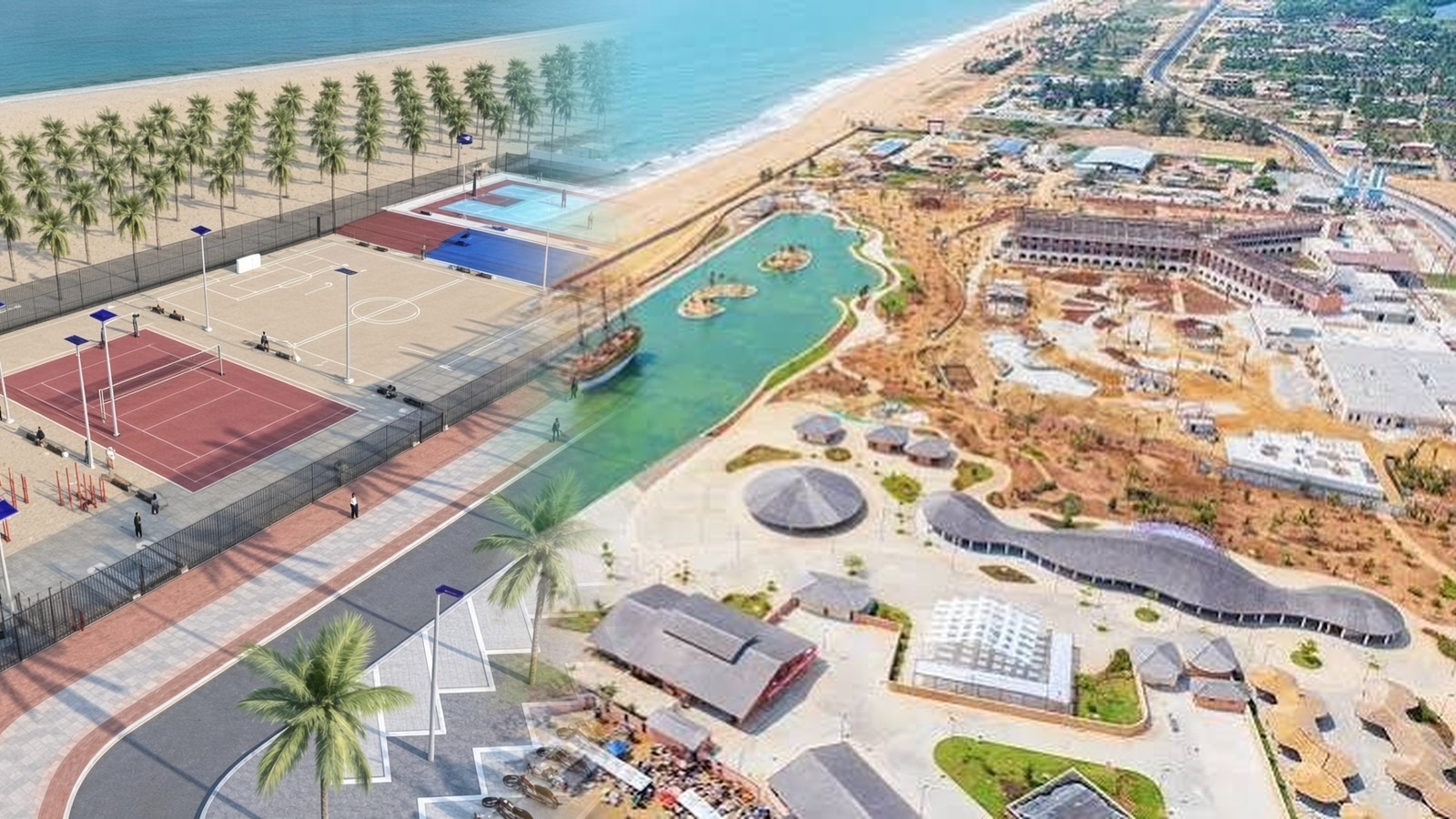
Benin has taken a decisive step to regulate development along its critically important Fidjrossè-Ouidah coastline by establishing a dedicated authority. The move aims to accelerate tourism growth while preventing unchecked construction in fragile wetland areas that worsens flooding risks.
The strategic importance of the Fidjrossè-Ouidah corridor
The southern coastal stretch between Fidjrossè and Ouidah has transformed from a relatively undeveloped stretch into a model for Benin’s coastal development strategy. Major investments have reshaped this area with new roads, sanitation systems, landscaping projects, and tourism infrastructure.
Historically rich in natural wetlands that once absorbed excess rainfall, this coastal corridor now faces growing pressure from urban expansion and human activity. The government intervention seeks to reconcile these competing demands before irreversible environmental damage occurs.
What the new coastal authority will oversee
The newly approved Authority for Basin Development between Fidjrossè and Ouidah will serve as the central coordinating body for all coastal activities in this critical zone. Its responsibilities include:
- Land-use planning and environmental protection
- Urban and landscape development coordination
- Tourism infrastructure approval and oversight
- Coastal zone management and erosion control
- Pollution monitoring and environmental quality enforcement
The authority’s jurisdiction specifically covers sensitive wetland zones that were previously subjected to unregulated occupation.
Addressing coastal erosion and flooding risks
Beyond managing construction and development, the new body will implement measures to combat coastal erosion and prevent marine flooding. This includes collaborating with relevant agencies to erect protective structures and establish monitoring systems for ecosystem health.
Special focus will be given to preserving coastal dunes and critical wetland ecosystems that serve as natural buffers against storms and rising sea levels.
Tighter controls on coastal construction
The authority will enforce Benin’s 2018 coastal law by ensuring all development projects comply with environmental regulations and architectural standards specific to coastal zones. This includes:
- Mandatory environmental impact assessments
- Strict compliance with urban planning codes
- Approval requirements for temporary occupation of public maritime and lagoon domains
- Monitoring of construction quality and adherence to environmental safeguards
Tourism development with environmental safeguards
Despite concerns about over-development, the government emphasizes that tourism remains a national priority. The new authority will actually support sustainable tourism growth by:
- Evaluating and approving new beach, cultural, and recreational infrastructure
- Coordinating between tourism operators, local communities, and environmental agencies
- Ensuring commercial activities align with ecological preservation goals
- Balancing leisure facilities, economic activities, and environmental protection
Public-private partnerships as key enablers
To fund and operate new infrastructure, the government will actively engage private investors through public-private partnerships. The authority will facilitate these collaborations by creating transparent frameworks that attract responsible investment while protecting environmental assets.
Implementation timeline and next steps
The authority’s statutes have already received cabinet approval. The Minister of Environment and Sustainable Development, working with relevant ministries, will now oversee its establishment and operational rollout.
For Benin’s tourism-led development strategy, the Fidjrossè-Ouidah corridor represents both opportunity and challenge. The newly created authority positions the country to harness coastal development potential while preserving the natural systems that make this coastline environmentally and economically valuable.


 Boureima Amadou



