Boureima Amadou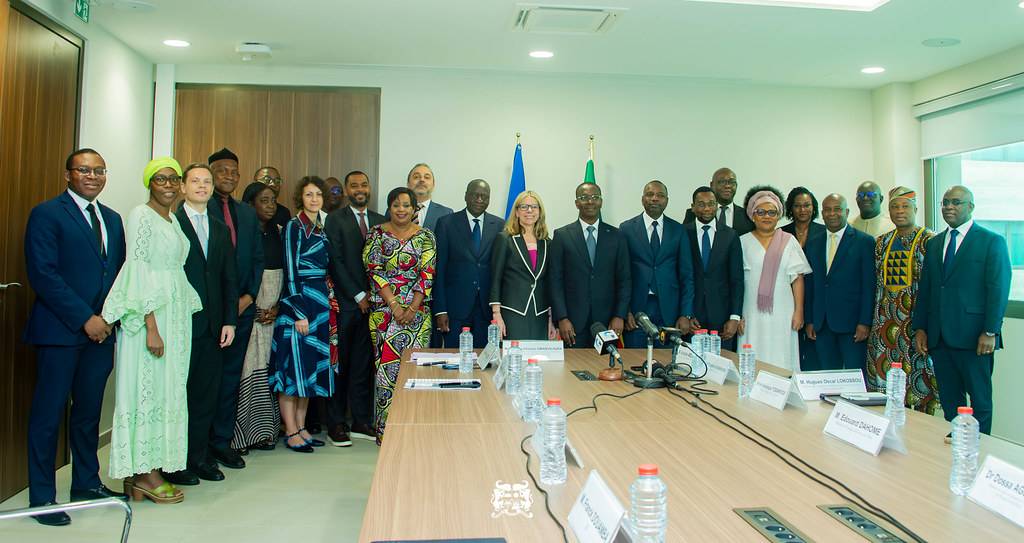
Cotonou is accelerating its structural transformation with a bold new investment strategy. On Friday, July 17, 2026, the Beninese government and the World Bank finalized two landmark financing agreements totaling $320 million. This injection of capital targets critical sectors—energy sovereignty, agricultural revitalization, and human capital development—signaling a decisive shift in the nation’s economic trajectory and the well-being of its people.
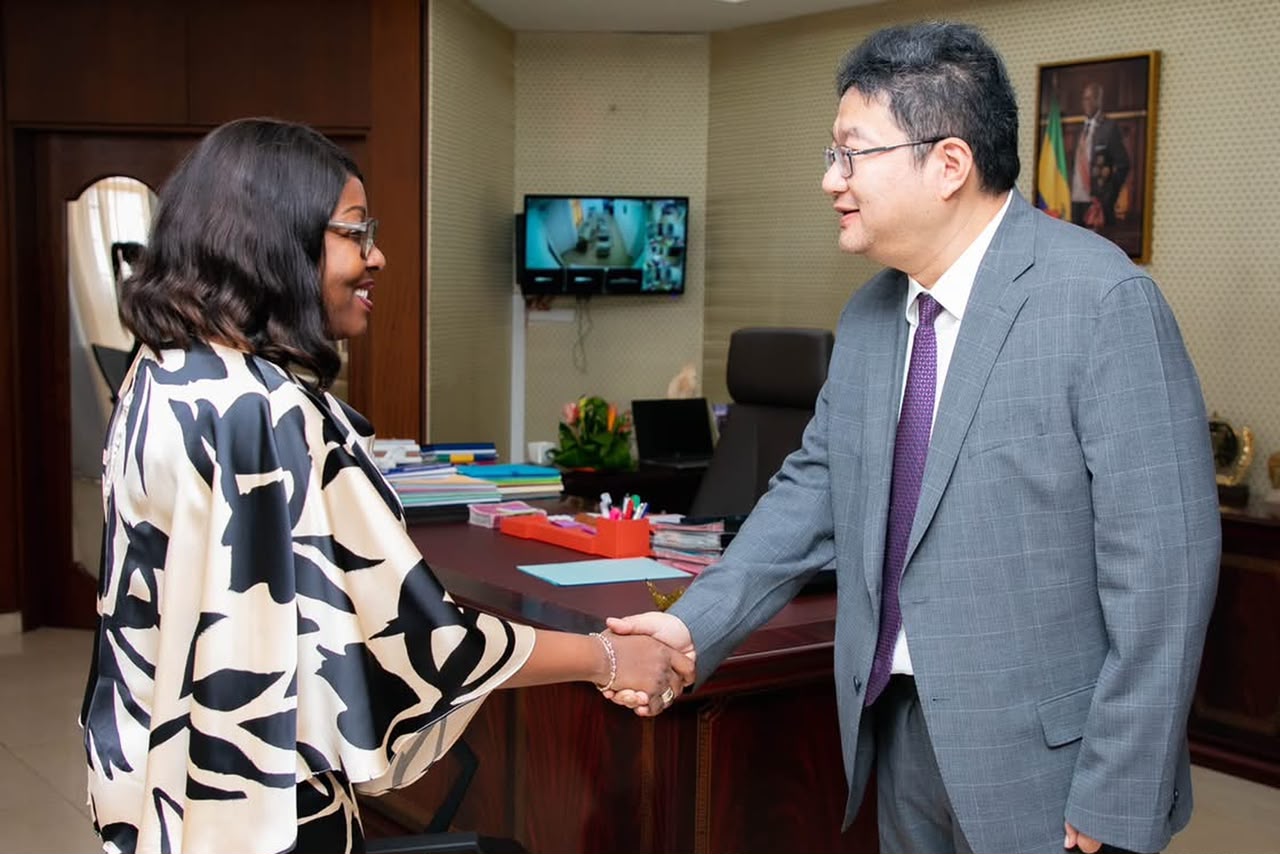
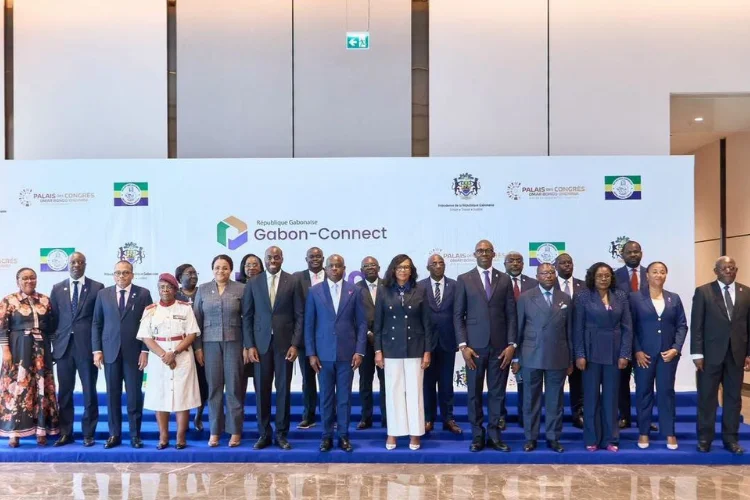
The signing ceremony unfolded at the modern Cité ministérielle in Cotonou, bringing together ministers, World Bank representatives, and technical partners. This financial and political milestone underscores a unified vision: sustainable growth that uplifts all citizens while reinforcing the country’s economic resilience.
The Dogo-Bis dam: a powerhouse for energy and agriculture
The first agreement, valued at $150 million, is earmarked for the construction of the Dogo-Bis multi-purpose hydro dam. Far more than a traditional energy project, this infrastructure is designed as the cornerstone of an integrated production ecosystem.
On the energy front, Benin is taking a giant leap toward self-sufficiency. By expanding national electricity generation, the Dogo-Bis dam will significantly reduce the country’s reliance on costly energy imports—a long-standing vulnerability for local industries. As noted by the Minister of Energy, Water, and Mines, the project promises to electrify the Ouémé Valley with stable, competitive power, fueling economic activity across the region.
Yet the benefits extend beyond megawatts. By securing reliable water supply, the dam will unlock the agricultural potential of the Ouémé Valley, a region brimming with fertile land but historically constrained by water scarcity and weak processing infrastructure. With Dogo-Bis, the government aims to stabilize year-round agricultural yields and attract private investors to local agribusiness ventures.
ALAFIA I: investing in the future through nutrition and health
The second agreement, totaling $170 million, funds ALAFIA I—a program dedicated to “Nourishing Benin for the Future.” This initiative tackles the root of economic development: early childhood nutrition, maternal health, and child welfare. By prioritizing integrated, high-quality services, Benin is embracing a preventive approach to public health.
Economic research consistently shows that investments in early childhood yield the highest returns in public policy. A healthier, better-nourished population from the outset translates into lower healthcare costs, higher school enrollment rates, and a more productive workforce in the years ahead. ALAFIA I is laying the social groundwork for inclusive growth—ensuring that economic progress is not just a statistic but a lived reality for every citizen.
A synergistic blueprint for national transformation
The true strength of this financial package lies in the synergy between its components. As highlighted by the Minister Delegate for External Resource Mobilization and Debt Management, these initiatives are not isolated; they are part of a cohesive strategy to bolster food security, enhance territorial connectivity, and drive economic expansion.
By linking improved nutrition (ALAFIA I) with expanded agricultural and industrial capacity (Dogo-Bis), Benin is creating a virtuous cycle. Crops from the Ouémé Valley will nourish urban and rural communities alike, reducing the country’s reliance on food imports. Meanwhile, a healthier population will provide the workforce needed to sustain industrial growth. Strengthened territorial connectivity ensures that these gains are distributed equitably across the nation.
A sustainable model for West Africa?
The $320 million commitment from the World Bank reflects confidence in Benin’s financial governance and macroeconomic stability. Amid regional uncertainty, Cotonou is positioning itself as a magnet for international investors, offering a model of resilient, diversified development.
The overarching ambition is clear: transitioning from a transit-based, subsistence economy to a semi-industrial, diversified, and shock-resistant model. By prioritizing sustainable infrastructure and inclusive growth—particularly for women and children in rural areas—Benin is charting a path toward equitable prosperity.
The July 17, 2026, agreements are more than administrative formalities; they are foundational pillars for Benin’s future. By simultaneously investing in the productive energy of the Ouémé Valley and the nation’s youth through ALAFIA I, the government is proving that lasting economic power requires more than infrastructure—it demands a thriving human capital base. The next challenge will be flawless execution, a task keenly observed by citizens and economists alike.