Boureima Amadou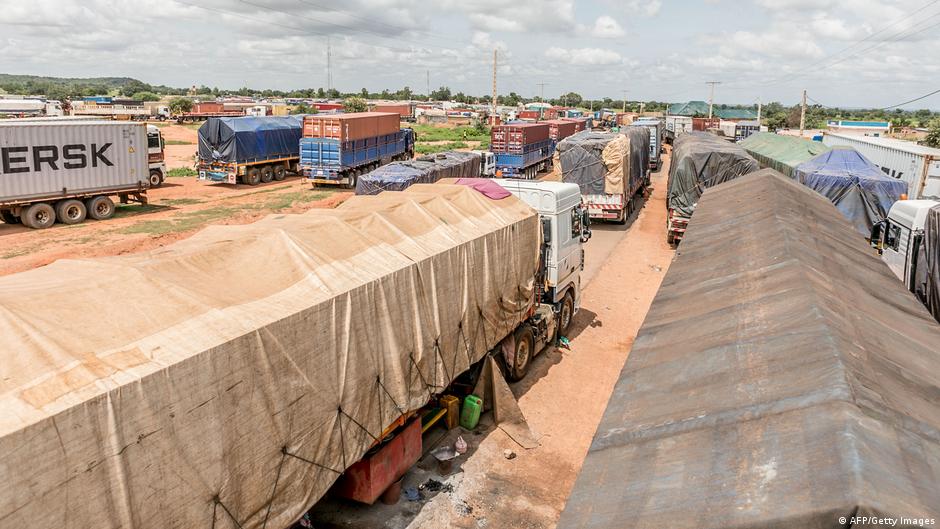
Bénin-Niger border closure: severe economic repercussions felt by traders and transporters
The extended closure of the border between Bénin and Niger, a direct result of the military coup on July 26, 2023, has unleashed profound economic repercussions across the region. This is a significant development in African current affairs.
The ongoing economic strain from the Niger-Bénin border shutdown continues to burden Niger’s economy. For many months, businesses and transport companies have been forced into urgent adaptations to merely sustain their operations.
Nigeria emerges as a costly alternative
The Bénin corridor previously served as a vital supply route for Niger. Its closure compelled numerous traders to reroute their operations through Nigeria, an alternative that proved to be significantly longer, more expensive, and fraught with increased risks.
Yacouba Dan Maradi, a Nigerien economic operator, lamented, “We have truly been impacted in every aspect – emotionally, commercially, and financially. This is a harsh reality. For a time, we utilized the diversion through Nigeria, but even that was not without its own financial risks. However, I believe we are now past those challenges.”
Profitability severely diminished
Hydrocarbon transporters have also faced considerable hardships. Extended delivery times have dramatically eroded the profitability of their operations.
Mody Hassane, Secretary General of the Hydrocarbon Transporters’ Union, painted a grim picture, describing the economic situation as exceptionally challenging for drivers.
According to Hassane, “The border closure has severely impacted our transport sector economy. Previously, we, the drivers, would complete two to three trips monthly. Now, a single journey can take approximately two to three months. We are no longer talking about economic activity; we are talking about losses.”
With escalating logistical costs and a marked slowdown in commercial exchanges, Niger’s economy continues to reel from the repercussions of its border closure with Bénin.
Today, both traders and transporters are ardently hoping for a lasting normalization of trade relations between Niger and Bénin, aiming to revitalize economic activity and restore the regular flow of goods.