Boureima Amadou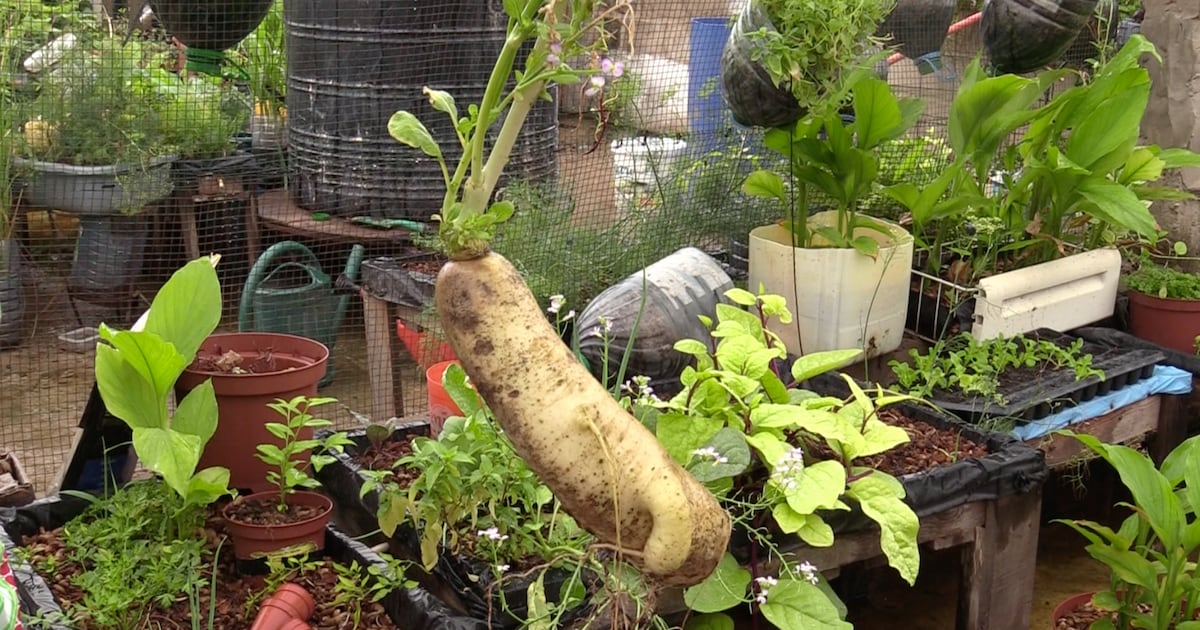
As demand for healthy, locally sourced and affordable food continues to rise in Bamako, the Resapac network has spent over a decade pioneering a sustainable model centered on short supply chains and responsible consumption. The initiative connects city dwellers with high-quality products while ensuring fair compensation for local farmers.
The Resapac network unites three key players in the agricultural value chain: producers, processors, and consumers. Operating under a transparent, collective governance system, it prioritizes direct trade from farm to table, promoting environmentally friendly, sustainable farming practices.
Consumers who shop through Resapac are no longer passive buyers—they become active participants in a transparent food system. By purchasing through the network, they gain full visibility into the origin and production methods of their food.
From farm to table: how Resapac connects Mali’s organic producers to consumers
Abdoulaye Sacko, a farmer and Resapac member, joined the network after partnering with Mali Engrais. His journey reflects the growing appeal of organic farming in the region.
«As a market gardener, I grow a variety of crops using only organic inputs, completely avoiding chemical fertilizers and pesticides», he explains. For him, Resapac has revolutionized his business by bridging the gap between farmers and consumers.
«My participation in the network has significantly improved my income, and I wholeheartedly encourage other farmers to adopt organic agriculture», he adds.
Expanding markets: from one stall to four across Bamako
Djènèba Diallo, coordinator of Resapac’s markets in Bamako, highlights the network’s remarkable growth. Founded over a decade ago, it began with a single stall in Sotuba and has since expanded to four key locations: Sotuba, Badalabougou, Magnambougou, and Hippodrome.
«Our mission remains unchanged: to give Bamako’s residents easy access to agroecological products while fostering direct connections between producers and consumers through a neighborhood-based distribution model», she explains.
Why organic makes a difference
Diallo emphasizes the stark contrast between conventional and organic produce. «Fruits and vegetables sold in conventional markets often rely on heavy pesticide use, leading to rapid spoilage within 24 hours. Organic products, on the other hand, stay fresh far longer», she notes.
Her own discovery of Resapac came through a social media post shared by a cardiologist colleague. «I was immediately drawn to this model that puts producers directly in touch with consumers», she recalls. The transparency and quality assurance offered by the network have made it a preferred choice for health-conscious shoppers in Bamako.
A growing movement toward sustainable food systems
This initiative underscores a broader shift in Mali’s agricultural landscape, where farmers and consumers alike are embracing short supply chains. The focus is on delivering nutritious food, ensuring fair wages for growers, and fostering environmentally responsible farming practices.


 Mariama Hamani