Boureima Amadou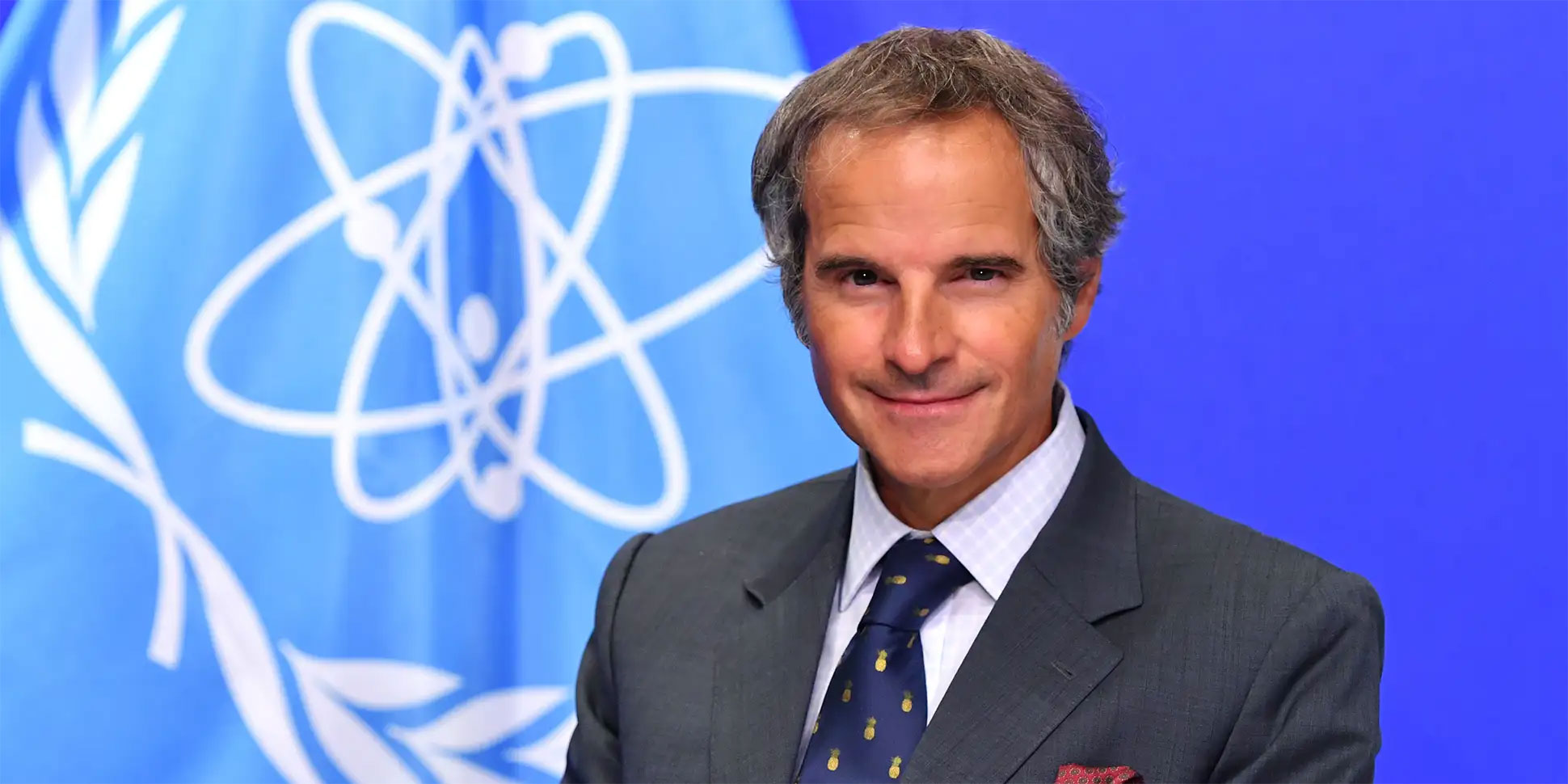
During the eighth session of the joint commission and the sixth round of political consultations between Argentina and Morocco, held in Buenos Aires on June 11, Argentine officials formally requested Rabat’s support for Rafael Grossi’s candidacy to succeed António Guterres as United Nations Secretary-General. The meeting, co-chaired by Argentine and Moroccan delegations, focused on strengthening bilateral ties and aligning positions on key international issues.
The Argentine government, led by President Javier Milei, has prioritized Grossi’s candidacy, positioning him as a seasoned diplomat with extensive experience in international nuclear oversight, conflict resolution, and multilateral negotiations. Argentina views Morocco as a pivotal ally due to its influential role in African diplomacy and its strategic partnerships across the globe.
Argentine diplomats emphasized that Grossi’s leadership at the International Atomic Energy Agency (IAEA) has equipped him with the expertise needed to navigate the UN’s most pressing challenges, from nuclear safety to geopolitical tensions. Buenos Aires has framed his candidacy as essential for restoring the UN’s effectiveness in global governance, particularly in an era marked by fragmentation and competing interests.
Morocco’s strategic role in the UN leadership race
Morocco’s diplomatic clout, particularly in Africa and the Middle East, makes its endorsement highly valuable for Grossi’s campaign. The kingdom maintains strong ties with African states, engages actively in multilateral forums, and serves as a bridge between Global South aspirations and major power blocs. Argentine officials noted that Rabat’s support could amplify Grossi’s appeal among African nations, many of which hold decisive votes in the UN Security Council and General Assembly.
The UN leadership race has drawn multiple candidates, including former Chilean President Michelle Bachelet, UNCTAD Secretary-General Rebeca Grynspan, and former Senegalese President Macky Sall. Argentina’s bid for Grossi hinges on assembling a coalition that extends beyond Latin America, leveraging Morocco’s regional influence to secure broader backing.
Grossi’s profile, honed through his tenure at the IAEA, has positioned him as a candidate capable of mediating between rival powers, safeguarding nuclear diplomacy, and revitalizing the UN’s policy-making role. Buenos Aires has underscored his ability to foster dialogue amid escalating global tensions, presenting him as a unifying figure for the international community.
Economic ties and shared strategic interests
The consultations also highlighted the deepening economic relationship between Argentina and Morocco, with bilateral trade reaching $1.092 billion in 2025. Morocco ranks as Argentina’s second-largest trading partner in Africa, and both nations are exploring avenues to expand cooperation in high-value sectors such as agriculture, energy, aerospace, and pharmaceuticals.
Key discussion points included reducing trade barriers for agro-industrial products, enhancing technical exchanges in renewable energy, and improving air connectivity to facilitate commerce. Argentine officials stressed the importance of aligning administrative frameworks to streamline cross-border investments, while Moroccan representatives highlighted Argentina’s role as a critical supplier of grains and agricultural commodities.
Beyond economics, both countries see mutual value in political collaboration. Argentina and Morocco have aligned on issues like South-South cooperation, reforming global governance institutions, and advocating for greater representation of developing nations in multilateral bodies. The depth of this partnership, officials noted, reflects a shared vision for a more balanced and inclusive international order.