Boureima Amadou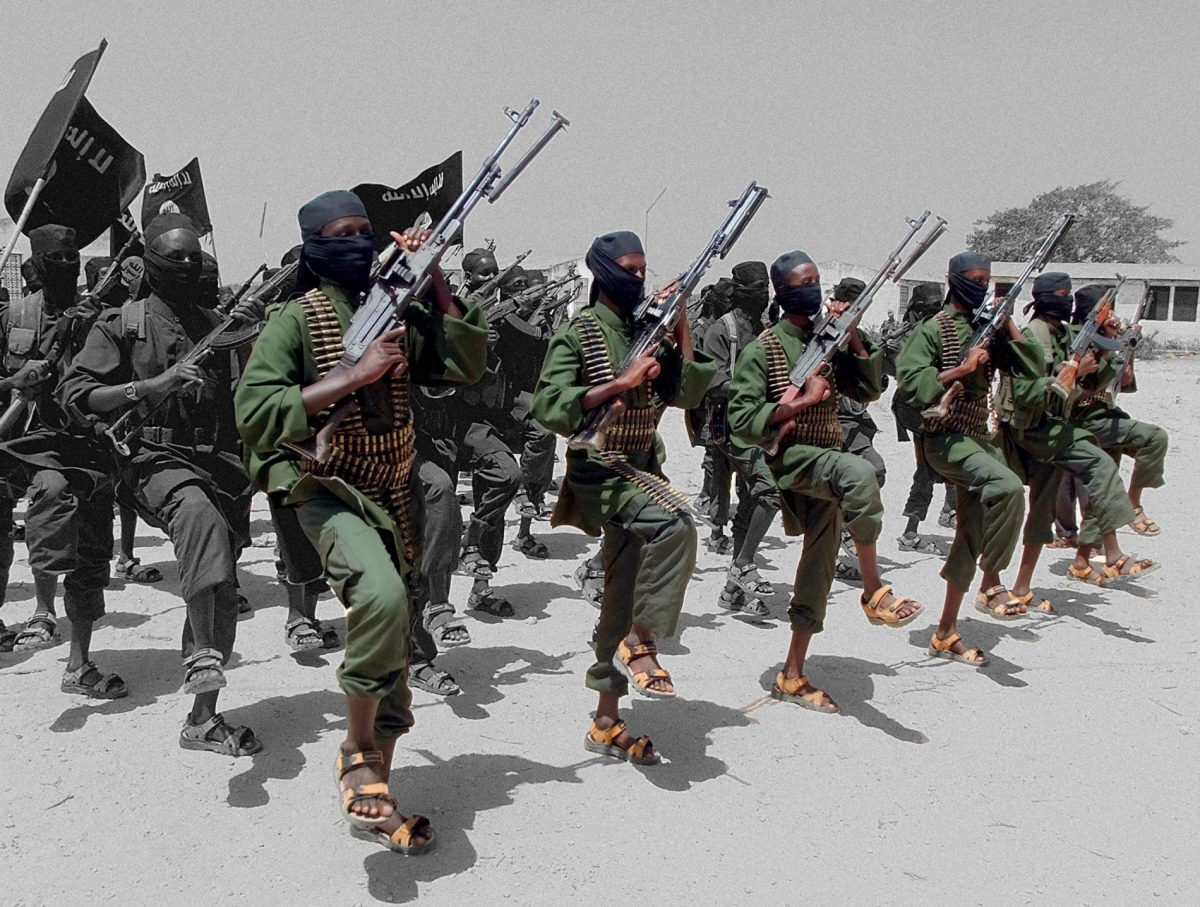
Mali and Niger have reignited accusations that Algeria is fueling terrorism across the Sahel by providing safe havens and logistical support to armed groups operating south of its borders. While officials from Bamako and Niamey refrained from direct naming during a recent regional security forum in Senegal, their remarks mirrored persistent allegations that Algiers has become a critical base for terrorist and separatist factions in northern Mali.
diplomatic tensions escalate over alleged algiers-backed militant networks
“Certain neighboring nations are currently providing refuge to terrorist organizations, aiding their operations, or frequently hosting hostile forces that launch attacks against our nations,” stated Malian Foreign Minister Abdoulaye Diop in a recent interview with Reuters. This sharp rhetoric follows a series of direct condemnations from Bamako, which has accused Algeria of transforming from a counterterrorism ally into a source of instability in the region.
historical roots of Sahel terrorism tied to Algeria’s past conflicts
Security experts trace the origins of today’s Sahel insurgencies to Algeria’s brutal civil war in the 1990s. After being defeated or displaced within Algeria, militant factions regrouped and moved southward, forming new networks that evolved into groups like al-Qaeda in the Islamic Maghreb (AQIM). This organization emerged from Algeria’s Salafist Group for Preaching and Combat (GSPC), itself a descendant of the Armed Islamic Group that waged war against Algiers during the so-called “Black Decade.” For years, these groups were led by Algerian nationals who relocated their operations into Mali and the broader Sahara, driven by military pressure within Algeria.
reports of covert collaboration fuel regional distrust
Whispers of collaboration between Algerian security forces and Sahel-based militant factions have circulated for years. Mali has formally condemned Algeria’s alleged support for terrorism in multiple diplomatic forums, including the United Nations, particularly after relations between the two nations soured significantly last year.
The dispute centers on northern Mali, where a decade-long conflict involving terrorist organizations and Tuareg-led armed groups has weakened the Malian state. Bamako contends that these factions exploit porous borders and Algeria’s lenient policies toward militants operating along its southern frontier.
In a landmark speech to the United Nations General Assembly last September, Malian Prime Minister Abdoulaye Maïga accused Algeria of shifting from a partner in counterterrorism to what he described as an “exporter of terrorism” into the Sahel.
Tensions reached a boiling point in late March when Algerian forces shot down a Malian military drone near their shared border. Bamako labeled the incident a deliberate act intended to shield terrorist leaders targeted by Malian security operations.
In retaliation, Mali joined forces with Niger and Burkina Faso to recall their ambassadors from Algiers and issued a joint statement accusing Algeria of actively supporting terrorism.
Niger stands with Mali against alleged algiers-backed threats
Niger has consistently aligned itself with Mali in confronting Algeria’s alleged destabilizing influence. Following the drone incident, Niamey not only endorsed Bamako’s diplomatic response but also voiced strong solidarity against what it perceives as Algerian-backed terrorism.
Niger’s military leader, General Abdourahamane Tiani, has publicly accused multiple foreign governments of sponsoring attacks inside Niger. Niamey’s unwavering support for Bamako underscores a growing regional perception of Algeria as a destabilizing force in West Africa.
regional security politics fracture over terrorism responses
For now, the debate over Algeria’s role in Sahel terrorism exposes a widening rift in West African security strategies. Military-led governments across the Sahel argue that counterterrorism efforts are doomed to fail as long as neighboring states continue policies they view as permissive or provocative.