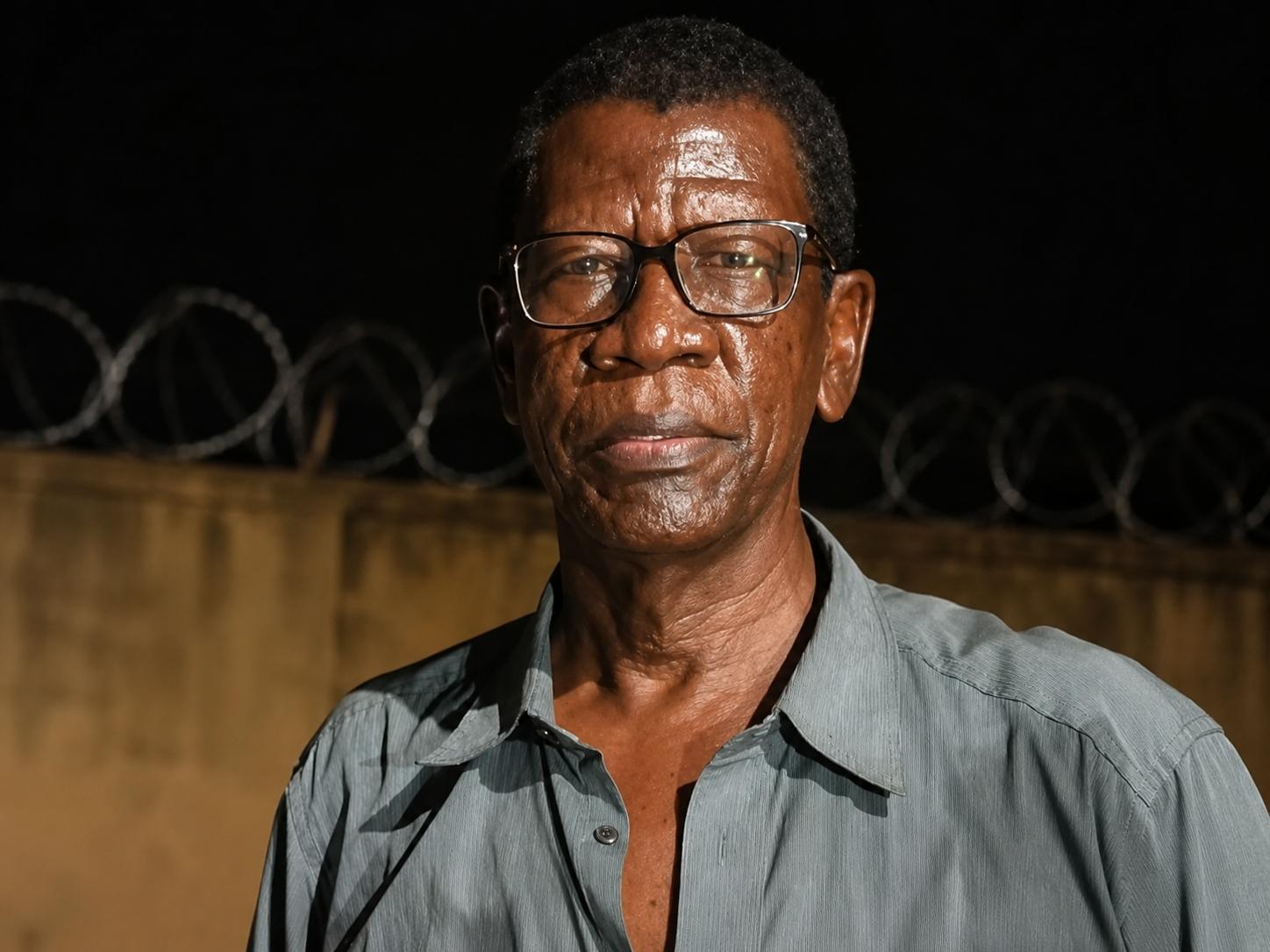
Boureima Amadou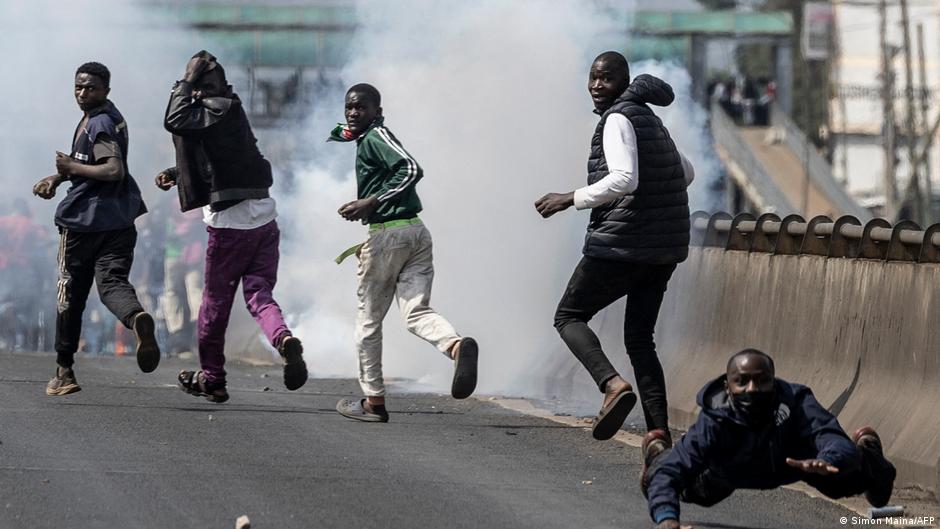
The state of democracy across Africa presents a complex picture, marked by both progress and setbacks. While some nations consolidate democratic gains, others face growing threats to political freedoms. This dual reality reflects a continent navigating turbulent political waters, where the push for democracy remains strong despite rising authoritarianism and institutional instability.
Military regimes and constitutional changes fuel instability
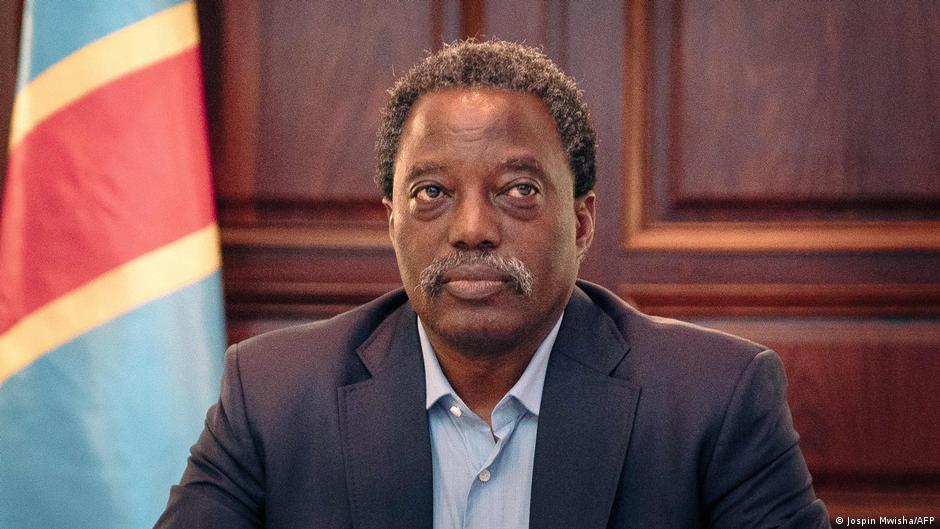
In the Sahel region, military juntas have reshaped the political landscape in Mali, Burkina Faso, and Niger, raising concerns about democratic backsliding. These shifts often coincide with delays in electoral processes, restrictions on opposition voices, and constitutional amendments that extend leaders’ tenures. Such developments have sparked debates about the durability of democratic institutions and the rule of law in these countries.
While elections continue to be held in many African states, their credibility is frequently questioned. Reports highlight irregularities in voter registration, limited media access for opposition candidates, and legal maneuvers that undermine electoral fairness. These challenges underscore the fragility of democratic processes in regions grappling with political transitions.
Democratic resilience in select African nations
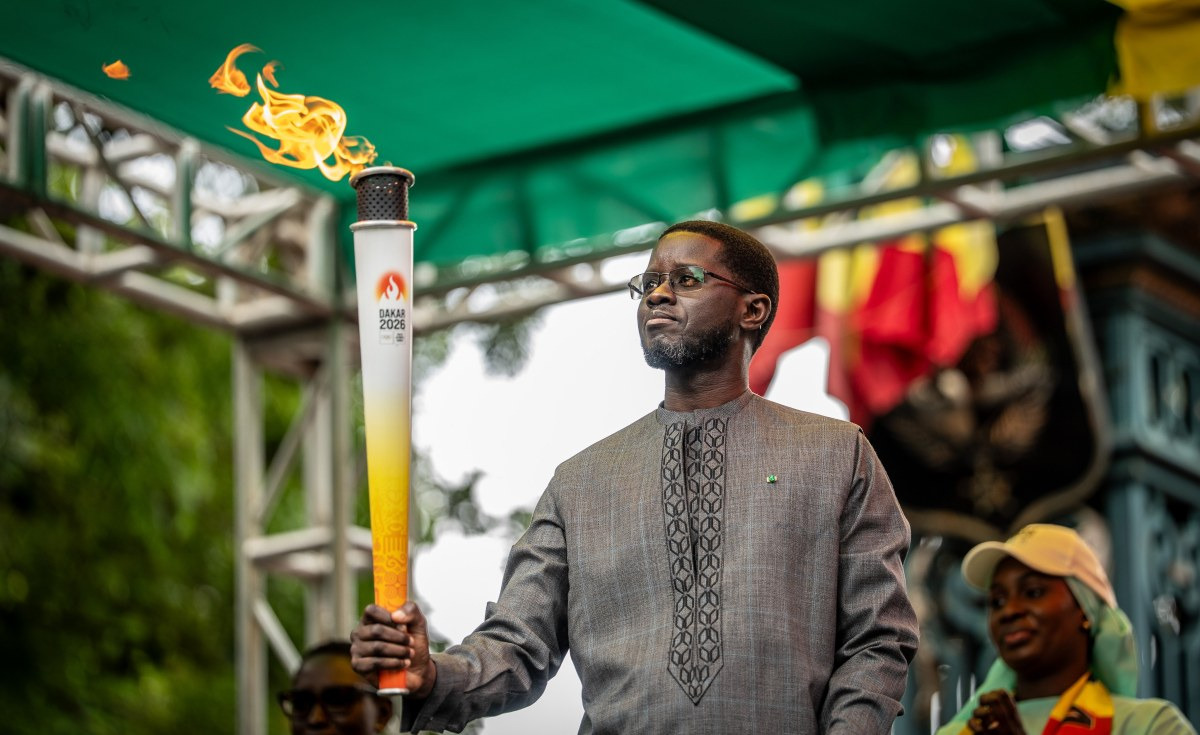
Despite these obstacles, not all of Africa is experiencing democratic decline. Countries like Senegal, Cape Verde, Botswana, the Seychelles, and Ghana stand out for their commitment to pluralistic governance and peaceful transitions of power. Recent elections in these nations demonstrate that citizens can still hold governments accountable through the ballot box, reinforcing the continent’s democratic potential.
Public opinion surveys, including those by Afrobarometer, reveal a deep-seated attachment to democratic values among Africans. Citizens consistently demand greater transparency, accountability from leaders, and opportunities for civic participation. This grassroots demand for democracy remains a powerful force shaping the continent’s political trajectory.
Youth as a driving force for democratic renewal
The continent’s youth are at the forefront of advocating for democratic reforms. Movements led by young Africans are pushing for electoral transparency, anti-corruption measures, and economic opportunities. Their activism highlights a generational shift, with younger populations rejecting the status quo and demanding governance that reflects their aspirations.
These demands extend beyond political freedoms to include social and economic justice. Young Africans are increasingly vocal about job creation, education, and equitable resource distribution, linking democratic governance to tangible improvements in their daily lives.
Key challenges ahead for African democracy
The path forward for African democracy hinges on several critical issues:
- Restoring constitutional order in countries under military rule.
- Ensuring the independence of electoral and judicial institutions.
- Upholding term limits and constitutional term boundaries.
- Protecting civic freedoms, including press freedom and the rights of opposition groups.
- Addressing socio-economic disparities, particularly among marginalized youth.
These challenges require coordinated efforts from governments, civil society, and international partners to safeguard democratic progress and foster inclusive governance across the continent.


 Mariama Hamani