Boureima Amadou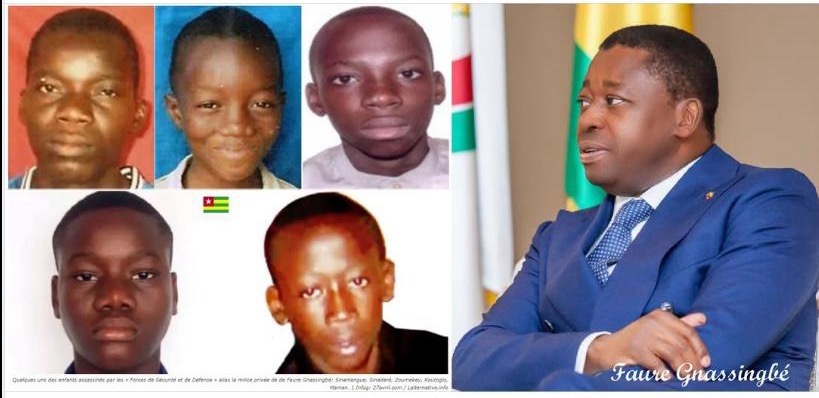
The annual African Child Day, observed on June 16, serves as a platform for governments across the continent to pledge renewed commitments to the welfare of children. This year’s focus on universal access to water, sanitation, and hygiene underscores the gravity of such pledges. Yet in Togo, the government’s rhetoric often contrasts sharply with the harsh realities faced by its youngest citizens. Since assuming power, the administration in Lomé has repeatedly responded to dissent with lethal force, with children bearing the brunt of this repression. The result is a pattern of broken promises and vanished investigations into the killings of innocent youth.
From Soweto to Lomé: the weaponization of childhood
The origins of African Child Day trace back to the 1976 protests in Soweto, where students rose up for quality education and against the imposition of Afrikaans. While many African nations have since worked to uphold these rights, Togo’s political establishment appears to have weaponized the suppression of its youth as a means of maintaining control.
The state’s failure to protect its most vulnerable is most evident in its crumbling healthcare infrastructure. In facilities that barely qualify as hospitals, mothers continue to give birth on bare floors due to overcrowding and a lack of basic resources. These institutions, overwhelmed and underfunded, resemble makeshift nurseries where survival itself is uncertain.
While regional and international bodies repeatedly reaffirm their dedication to child welfare, the response from Lomé remains inconsistent. Any challenge to the government’s authority—whether through peaceful protest or mere survival—risks fatal consequences. Children caught in crossfire, even those simply seeking food, have become collateral damage in a system that prioritizes power over human life.
Jacques Koutoglo: a family’s quest for justice drowned in official denial
For nearly a year, the family of Jacques Koutoglo, a 15-year-old middle school student, has waited in vain for accountability. In June 2025, during the initial wave of unrest, Jacques was beaten to death and his body discarded in the Bè lagoon. He had not been protesting; he was searching for food. In the aftermath, Pacôme Adjourouvi, then Minister of Human Rights, initially dismissed the killing as a tragic accident before later announcing an official investigation. To this day, no findings have been disclosed. The government’s refusal to permit a memorial service for Jacques has only deepened the family’s anguish and sense of betrayal.
Joseph Zoumekey and Rachad Maman: bullets instead of answers
The case of Joseph Zoumekey, a 13-year-old boy shot dead in 2017 while running errands in the Bè-Kpota neighborhood, revealed the depths of official evasion. Independent autopsy results, conducted by external experts, confirmed he had been killed by live ammunition—a finding contradicted by the government’s initial claims. Despite repeated appeals from human rights organizations for justice, the administration has remained silent. Similarly, in 2017, 14-year-old Rachad Maman was killed in Bafilo during a protest alongside his father, demanding democratic reforms. International outrage followed, yet no action has been taken to address the tragedy.
Anselme Sinandaré and Douti Sinalengue: a decade of unanswered cries
In the northern city of Dapaong, the memories of Anselme Sinandaré (12) and Douti Sinalengue (21) endure. In 2012, both were killed during a peaceful student demonstration demanding the return of absent teachers. Over a decade later, no official process has identified the security personnel responsible for their deaths.
From the northern reaches of the country to its southern coast, a grim pattern emerges: the lives of children are expendable in the face of political survival. Dozens of families have lost their future, their children sacrificed without consequence. This cycle of repression, entrenched since the Gnassingbé family’s rise to power, shows no signs of abating.
Despite Togo’s ratification of the African Charter on the Rights and Welfare of the Child in 1998, the government’s refusal to address these crimes sends a clear message: international obligations take a backseat to the exigencies of political self-preservation.

 theafricantribune