Boureima Amadou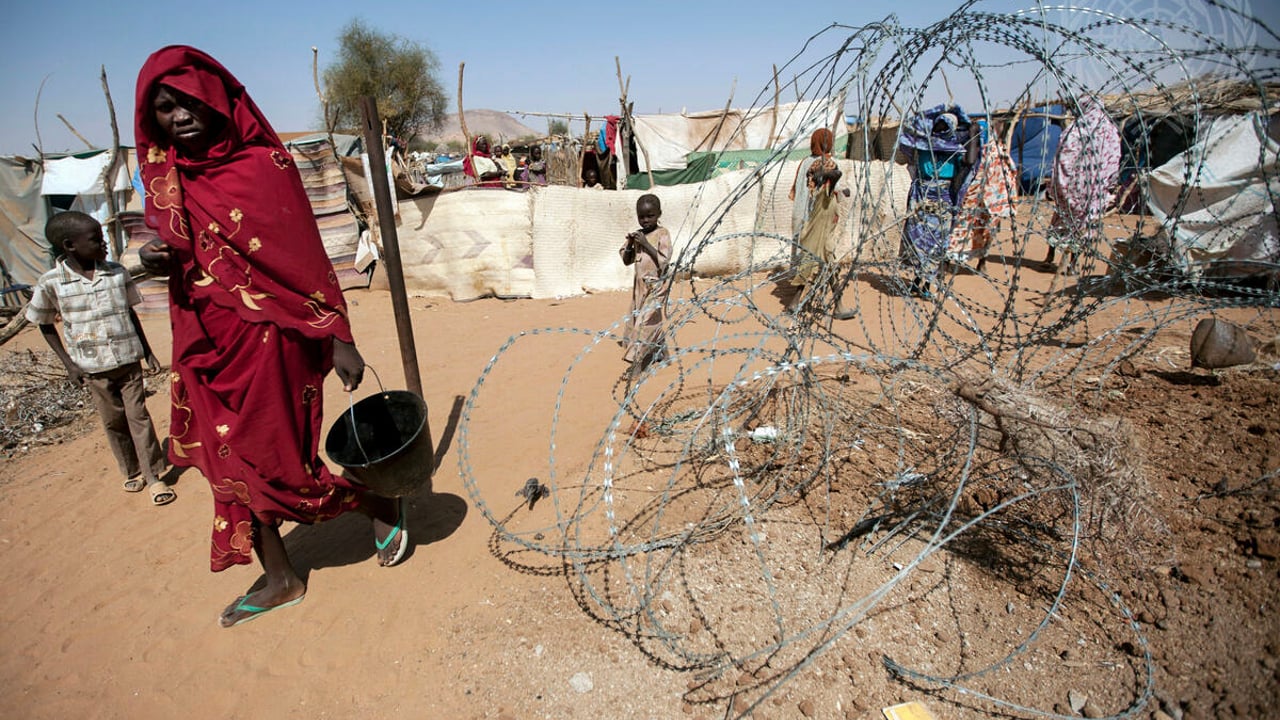

Abéché, a vibrant city nestled in eastern Chad, stands as a unique cultural crossroads, often described as the most Sudanese of Chadian urban centers. Its historical ties and geographical proximity to Sudan have forged an identity deeply intertwined with its neighbor, making it a crucial hub in the region’s complex tapestry.
A haven for sudanese refugees
The ongoing conflict in Sudan has dramatically reshaped Abéché’s landscape, transforming it into a vital sanctuary for those fleeing violence. Thousands of Sudanese refugees have sought solace and safety within its borders, bringing with them stories of hardship and resilience. This influx, while challenging local resources, has further cemented Abéché’s role as a primary gateway for humanitarian efforts on the continent.
Organisations like the HCR (United Nations High Commissioner for Refugees) are actively present, working tirelessly to provide essential aid and support to the displaced populations. Their presence underscores the significant humanitarian scale of the crisis impacting this part of Africa. Abéché’s ability to absorb and support such a large number of vulnerable individuals highlights both the generosity of its people and the immense pressures on its infrastructure.
Regional dynamics and african current affairs
The situation in Abéché is inextricably linked to broader regional dynamics. The leadership of Chad, under Mahamat Idriss Déby Itno, plays a critical role in managing the humanitarian response and border security. Meanwhile, the ongoing power struggles in Sudan, involving key figures such as Hemetti and Abdel Fattah al-Burhane, directly influence the flow of refugees and the stability of the entire border region.
As a focal point for African current affairs, Abéché offers a poignant glimpse into the human cost of regional instability. It serves as a stark reminder of the interconnectedness of nations in this part of Africa and the persistent need for coordinated international efforts to address the root causes of displacement and conflict. The city continues to navigate its dual identity, balancing its rich Chadian heritage with its enduring connection to Sudan.