Mariama Hamani
A recent announcement by a Burkinabè movement, outlining plans for an “embassy designed to welcome extraterrestrials” with the stated aim of bolstering national sovereignty, has provoked widespread reactions. This initiative, extensively discussed across social media platforms, is being interpreted by some observers as a reflection of Burkina Faso’s current political and media environment.
Among the critics, numerous voices express bewilderment that such a proposition could be put forward publicly, and even more so, gain traction in national dialogue, especially as the country confronts significant security, economic, and social challenges. For these commentators, this type of announcement creates an impression that national priorities are detached from the daily concerns of the Burkinabè people.
The initiative has also generated considerable skepticism due to the arguments presented by its proponents. According to their statements, establishing an embassy for extraterrestrials would not only serve to protect Burkina Faso but also generate economic benefits through tourism and even accelerate the strengthening of national sovereignty.
These assertions have left many observers perplexed. In the absence of concrete evidence or verifiable foundations, many struggle to understand how such a theory could be presented as a credible perspective in public discourse. Opponents find it difficult to accept that arguments based on the hypothesis of extraterrestrial protection could be associated with critical issues such as national security, economic development, or the sovereignty of a state.
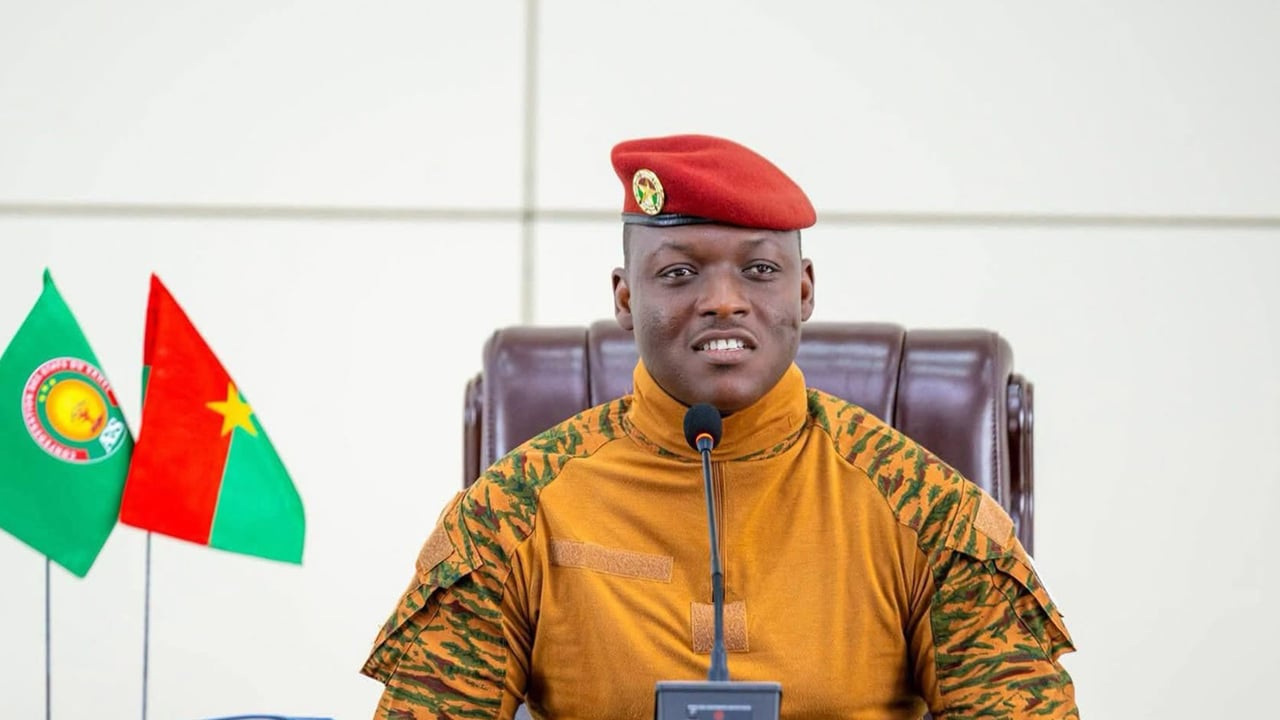
Some analysts go further, suggesting that since Captain Ibrahim Traoré’s ascent to power following the 2022 coup d’état, public debate has been increasingly marked by initiatives they deem surprising or distant from the nation’s urgent needs. In their view, this particular affair exemplifies a disorder in priorities and prompts questions about the country’s overall direction.
Others, however, are quick to point out that a declaration from a specific movement or organization does not necessarily represent the official stance of Burkinabè authorities. They argue that it is crucial to distinguish between individual initiatives and the actual policies implemented by the state.
Critics contend that the true pillars of sovereignty lie in reinforcing institutions, actively combating insecurity, stimulating job creation, improving governance, and developing essential infrastructure. From their perspective, discussing protection from extraterrestrials or hypothetical tourism revenues linked to such an embassy diverts attention from the pressing priorities currently facing Burkina Faso.
Beyond the immediate controversy, this announcement has reignited a broader discussion on the very definition of sovereignty. For numerous observers, sovereignty is primarily forged through a state’s capacity to ensure the security of its population, fortify its economy, expand its infrastructure, and enhance the living conditions of its citizens, rather than through initiatives whose foundations remain, at this juncture, highly speculative.

 theafricantribune
 Boureima Amadou