
 Mariama Hamani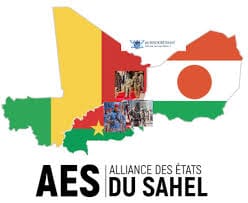
The inaugural session of the Parliament of the Confederation of Sahel States (AES) commenced on Monday in Niamey, marking the official installation of 45 confederal deputies representing Burkina Faso, Mali, and Niger.
Held at the Mahatma Gandhi Conference Centre, the solemn ceremony was presided over by Ousmane Bougouma, who serves as the President of the Legislative Assembly of the People of Burkina Faso and assumed the role of president for this inaugural confederal parliamentary session.
During the proceedings, President Ibrahim Traoré of Burkina Faso, currently serving as the acting president of the Confederation of Sahel States, delivered a powerful appeal to the newly installed deputies. He urged them to prioritize the overarching general interest of the Confederation, transcending partisan agendas and individual national considerations, a key step in African governance.
The confederal Parliament is composed of 45 deputies, with each member nation contributing 15 representatives. The event witnessed the presence of Nigerien Prime Minister Ali Mahaman Lamine Zeine, attending on behalf of the Nigerien President, alongside leading figures from the parliamentary institutions of the three member states.
Notably, representatives from the Chadian and Togolese parliaments also attended as invited guests, underscoring regional interest in this significant development in African current affairs. This initial session, scheduled from August 24 to 29 in Niamey, aims to lay robust foundations for enhanced parliamentary cooperation among the three AES member nations.
The Confederation of Sahel States was formally established in July 2024 by Burkina Faso, Mali, and Niger, following their announcement in January of the same year to withdraw from the Economic Community of West African States (ECOWAS). This represents a significant shift in continent news.
At its core, the Confederation seeks to bolster cooperation across these three nations, particularly in critical areas such as defense, security, and sustainable development.


 Boureima Amadou





