
 Mariama Hamani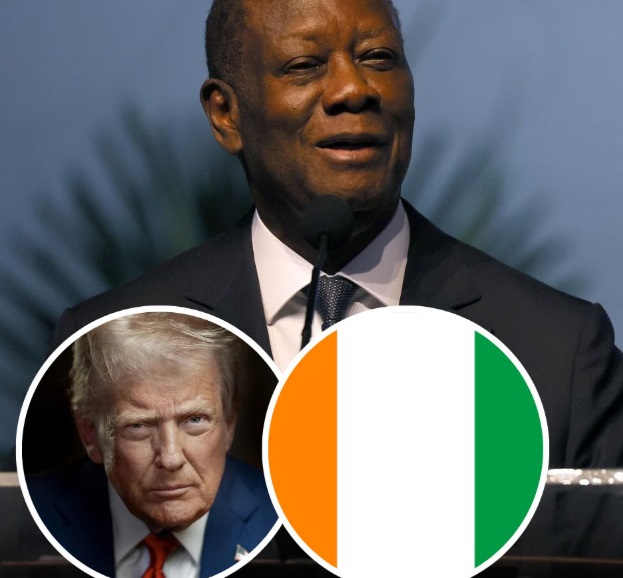
In a move that underscores the growing tension between national sovereignty and US migration policy, Ivory Coast has turned down a US proposal to accept deportees from third countries. The decision, revealed in a Washington Post investigation published on September 21, 2026, raises a critical question: can Washington pressure African nations into hosting expelled migrants who have no connection to them? The stakes are high for West Africa’s stability and its relations with the Trump administration.
In mid-June 2026, a US State Department official embarked on a diplomatic tour across West and Central Africa. Christian Ehrhardt, who heads the State Department’s Office of Remigration, was tasked with persuading African governments to take in individuals deported from the United States—even if they were not citizens of those countries.
During his stop in Abidjan, Ehrhardt’s efforts hit a wall. According to the Washington Post, Ivorian authorities rejected the proposal outright, leaving the US delegation empty-handed.
A controversial US strategy: deportations to third countries
This push is part of a broader Trump administration policy aimed at expanding deportations to so-called third countries. The concept is relatively new: individuals can be expelled from the US to a nation where they are not citizens and with which they may have no prior ties.
Internal State Department data reviewed by the Washington Post shows that by late June 2026, the US government had authorized or pledged at least $410 million to secure agreements with 31 countries, mostly in Africa and Latin America. Since 2025, more than 25,000 people have reportedly been deported to at least 28 third countries, based on independent sources cited in the investigation.
Some nations have agreed to accept foreign nationals in exchange for financial incentives or other forms of aid. The Washington Post reports direct financial commitments to several governments.
Abidjan’s firm refusal
It is against this backdrop that Christian Ehrhardt’s mission to Ivory Coast took on added significance. His office, which employs about 15 people at the State Department, is responsible for negotiating with foreign governments to accept US deportees.
But in Abidjan, the US proposal failed to gain traction. Ivory Coast does not appear among the countries that had concluded an operational agreement of this kind in the US data made public for June 2026.
A decision in a fraught context
The issue of third-country deportations is highly contentious. The US administration frames the policy as a way to remove individuals subject to deportation orders when their home countries refuse or are unable to take them back.
However, human rights organizations and lawyers for deportees have challenged various aspects of the scheme, particularly the safeguards—or lack thereof—provided to individuals before their transfer to a third country.
The Washington Post also reports that a US federal appeals court ruled in September 2026 that the policy was illegal in a case concerning insufficient protections for those affected. The Trump administration was expected to appeal to the Supreme Court.


 Boureima Amadou





Commentaires Facebook