Mariama Hamani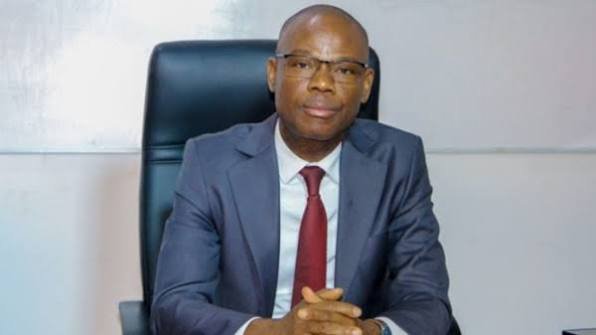
Togo’s university of datcha appoints inaugural president to shape higher education future
The University of Datcha marks a significant milestone in Togo’s higher education landscape. In a decisive move during the latest cabinet meeting, authorities confirmed the appointment of Professor Essohanam Batchana as the institution’s first president. This selection underscores the government’s commitment to elevating educational standards in the Plateaux region.
Leading with academic excellence and administrative expertise
Professor Batchana brings a wealth of experience to his new role. As a distinguished historian specializing in political history and international relations, he previously served as Director of Academic Affairs and Enrollment at the University of Lomé. His deep understanding of academic structures positions him perfectly to guide the fledgling institution through its formative years.
Supporting his vision is Professor Kperkouma Walla, a renowned botanist and plant ecologist, who has been named first vice-president. Together, this dynamic duo will lay the groundwork for the university’s administrative framework, scientific research capabilities, and pedagogical innovation.
Addressing critical challenges in Togo’s higher education
The creation of the University of Datcha, approved by cabinet in September 2023, addresses two pressing needs in Togo’s educational system:
- Alleviating campus congestion: Easing the overcrowding at existing public universities in Lomé and Kara by expanding access to higher education opportunities.
- Fostering regional development: Aligning academic offerings with the economic, social, and cultural priorities of the Plateaux region to stimulate local growth.
The institution is designed to be forward-thinking, with a curriculum focused on emerging technologies, applied sciences, and professional training. This approach ensures graduates are equipped with skills that meet labor market demands, bridging the gap between education and employment.


 Boureima Amadou