
 Boureima Amadou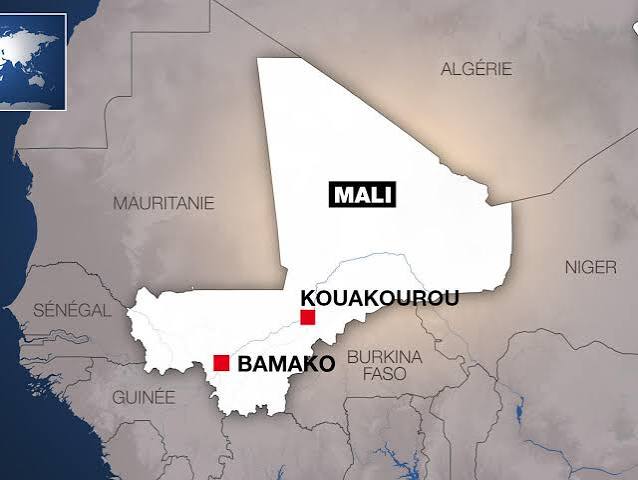
Thousands displaced from kouakourou in Mali endure harsh conditions
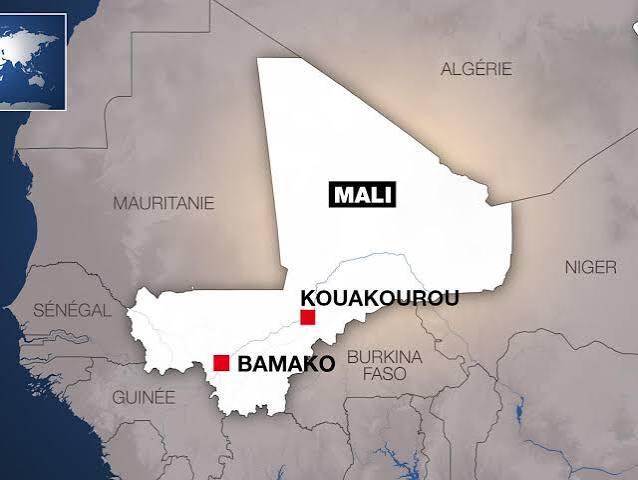
Two weeks have passed since thousands of residents were forced to flee Kouakourou in central Mali, yet their living conditions remain acutely precarious. Dislodged from their homes following an ultimatum issued by fighters from the Group for the Support of Islam and Muslims (JNIM), an Al-Qaeda affiliate, these individuals are now striving to rebuild their lives far from their ancestral communities.
The jihadist group’s demand for the entire population to evacuate came swiftly after they seized the Kouakourou military camp. An estimated 5,000 people abandoned the town, seeking refuge in neighboring villages, or larger urban centers such as Djenné, Bamako, and Mopti. In Mopti, local authorities have temporarily accommodated over 400 displaced individuals within a school facility.
While food aid is being distributed, thanks to the efforts of various donors and the municipal administration, the reception conditions are undeniably challenging. Classrooms have been repurposed as makeshift dormitories, and the severe lack of space means some families are compelled to spend their nights outdoors in the school courtyard. The onset of seasonal rains further exacerbates their plight, forcing everyone to huddle indoors, intensifying overcrowding.
Beyond the immediate material hardships, these families express profound emotional distress over the forced abandonment of their homes and all their worldly possessions. Many residents recount having departed Kouakourou with only the clothes on their backs, their mobile phones reportedly confiscated by the jihadist militants during their exodus.
This mass displacement coincides critically with the peak agricultural season, jeopardizing vital harvests and threatening the livelihoods of countless families. For those uprooted, the aspiration to return to Kouakourou remains their primary hope, though the prevailing security instability in the region currently renders any short-term return utterly unfeasible.








