Mariama Hamani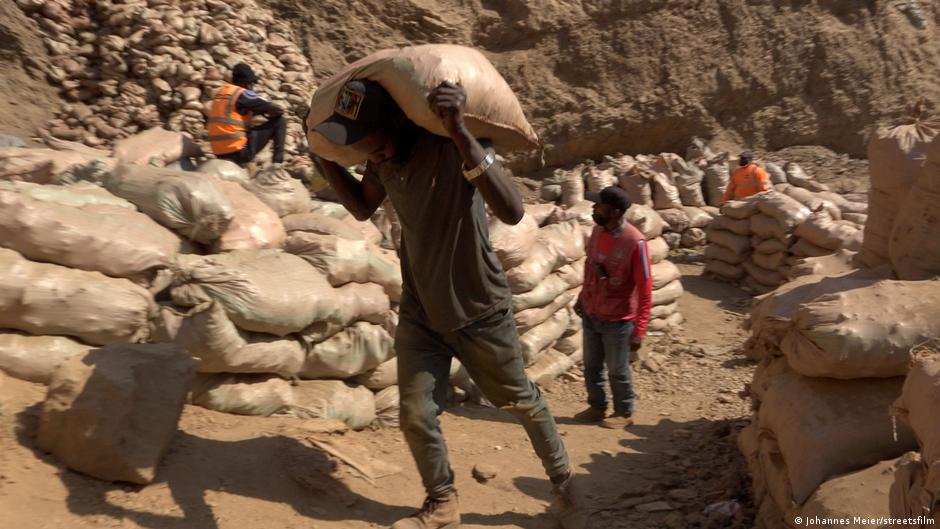
The Congolese government is in discussions with a private firm to train 20,000 personnel who will form a dedicated mining guard. This unit is intended to protect large-scale mining operations, regulate artisanal mines, and enhance the traceability of mineral exports.
Officials in Kinshasa have not yet disclosed the name of the private company tasked with training this paramilitary force.
Training for the mining guards could begin as early as September, with the first battalion expected to be deployed in the Katanga region by January 2027.
While the army and police have traditionally been stationed around mining sites, some provinces—such as Lualaba—already employ private security agents. These local guards are recruited and trained by registered local security firms.
Henri Kasongo Mutata, coordinator of the diocesan commission for natural resources and the environment in Lualaba, explains: “Currently, mining site security in Lualaba is handled by the mining police, working alongside various private security companies. Mining title holders hire these private guards to secure their sites.”
Reducing criminality in mining zones
The Democratic Republic of the Congo holds vast deposits of copper, cobalt, tin, coltan, gold, lithium, and zinc. Although agreements allow foreign companies—including American firms—to exploit certain mines, some sites remain inaccessible due to the conflict in the eastern part of the country. For example, the Rubaya coltan mine, one of the world’s largest, is under the control of AFC-M23 rebels. This situation worries Crispine Ngena, an ecofeminist activist focused on women’s participation in natural resource management.
“The first challenge is that the sites are militarised. I don’t see respect for rights in those jungles. I don’t see standards being applied. Secondly, does the Congolese state have the capacity to make mines less criminal, and to ensure that foreign companies respect norms and rights—especially the rights of indigenous peoples and women in these lawless areas?” she asks.
In a related development, private security teams linked to Erik Prince, founder of the former Blackwater company, have been deployed in several mines near Kolwezi and Kisangani, in Lualaba and Tshopo provinces. Their primary mission is reportedly to secure mines, improve tax collection, and combat smuggling.


 Boureima Amadou