Boureima Amadou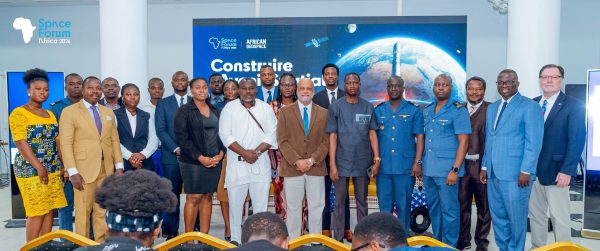
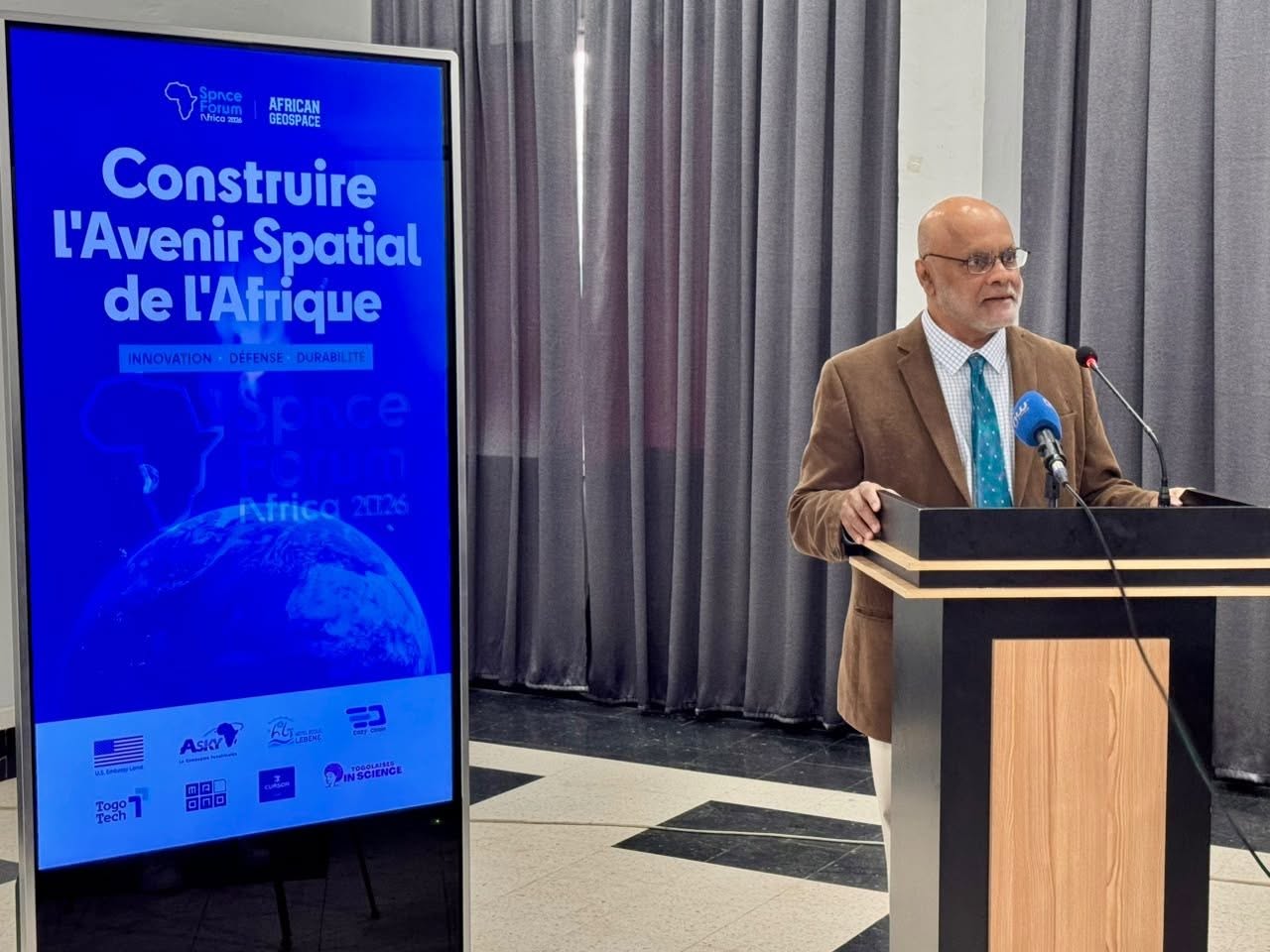
From July 28 to 30, Lomé became the epicenter of a groundbreaking dialogue on Africa’s space future. At the Space Forum Africa 2026, policymakers, researchers, investors, and entrepreneurs shifted the conversation from orbital ambitions to tangible solutions. The focus? How space technologies can now drive agricultural productivity, disaster resilience, digital connectivity, and economic growth across the continent.
For decades, Africa’s space narrative centered on distant goals: launching satellites, funding scientific programs, and training talent. But in Lomé, the discussion evolved. The question no longer revolves around whether Africa can reach space—but what space can do for Africa today.
From orbit to field: transforming satellite data into actionable solutions
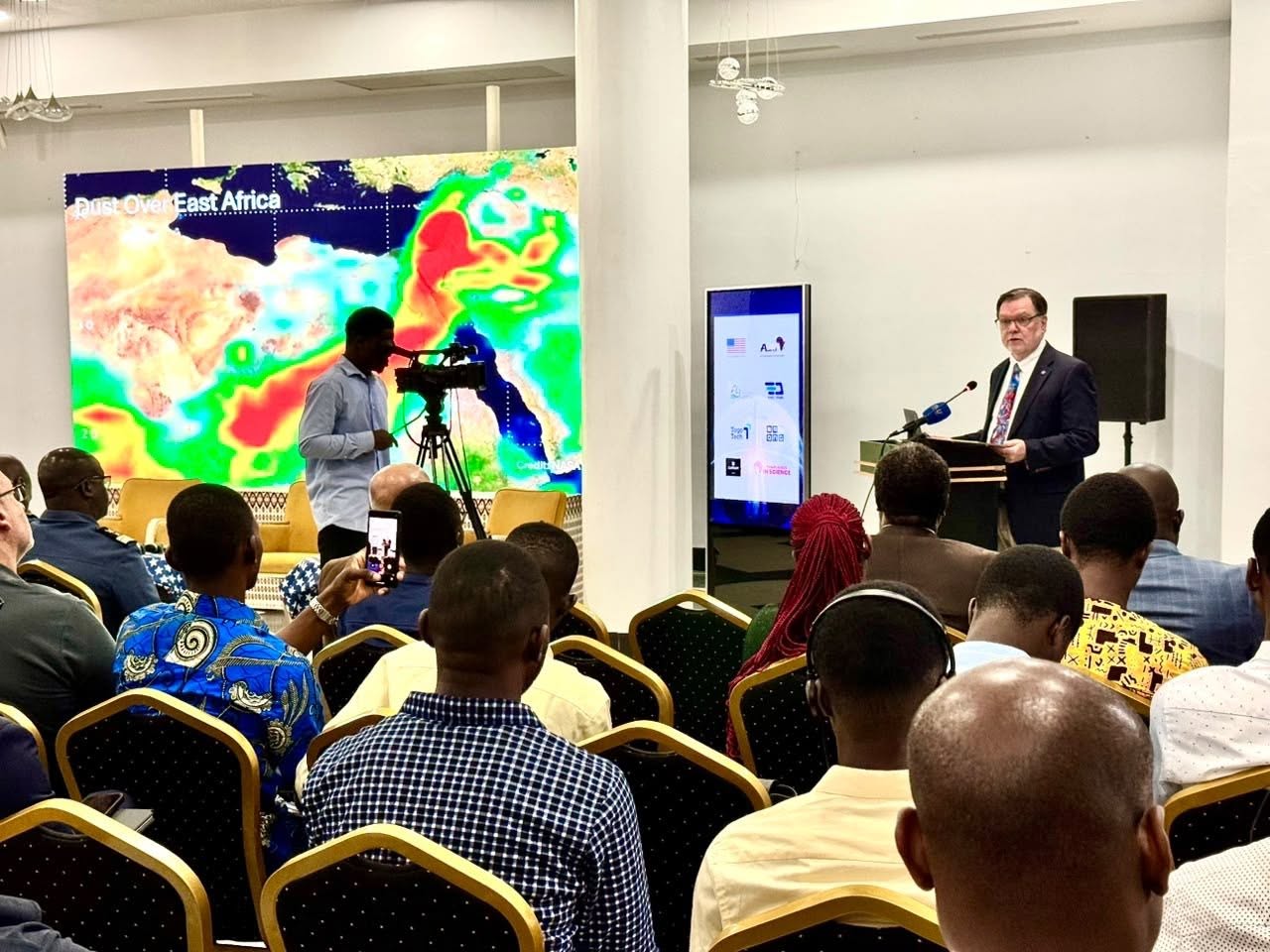
One of the forum’s key takeaways was a shift in perspective. Space isn’t just about scientific exploration—it’s about empowering real-world decisions. Satellite data is now a critical tool for farmers, climate analysts, and disaster responders, offering insights that were once out of reach.
For African economies grappling with climate change, data gaps, and forecasting challenges, these technologies provide a powerful advantage. Young African tech firms are seizing this opportunity, using orbital data to develop high-value solutions tailored to local needs—from precision agriculture to flood-risk mapping.
Jim Adams and the NASA legacy bridging Africa’s space divide
To anchor these discussions in real-world expertise, the U.S. Embassy in Lomé invited Jim Adams, a NASA veteran with over 40 years in space innovation. His presence highlighted how satellite technologies can revolutionize sectors like agriculture, climate adaptation, and emergency response.
But Adams also posed a critical question: Who will build Africa’s space future—and who will benefit? The forum underscored that the next wave of progress won’t come from hardware alone, but from turning orbital data into economic value.
Building bridges: startups and U.S. firms forge new space partnerships
The forum wasn’t just about ideas—it was about action. By fostering collaboration between African innovators and U.S. space companies, the event aimed to create tangible business opportunities. The focus? Merging African ingenuity with American expertise to develop solutions that address the continent’s most pressing challenges.
For African entrepreneurs, the goal is clear: move beyond being passive users of foreign technology. For international partners, the opportunity lies in tapping into Africa’s untapped talent, unmet needs, and emerging markets.
Space as Africa’s invisible economic backbone
The Space Forum Africa 2026 reframed space not as a distant frontier, but as an invisible infrastructure powering Africa’s growth. A single satellite image can guide farmers in drought-prone regions. A climate dataset can warn coastal communities of rising tides. A communication link can connect remote villages to global markets.
This is the new face of Africa’s space economy—one where technology serves people first, and prestige follows. Lomé’s forum made one thing clear: the continent’s space future is no longer a question of if, but how.
Washington and Lomé: strengthening Africa’s peaceful space innovation
Through its support for the forum, the U.S. Embassy in Lomé reinforced a commitment to peaceful, collaborative space innovation. As the U.S. marks 250 years of scientific progress, the event signaled a new chapter: one where Africa and America co-create solutions, not just share technology.
The next frontier for Africa’s space sector won’t be defined by rocket launches alone, but by the ability to turn data into business, research into revenue, and partnerships into progress. In Lomé, the sky wasn’t just observed—it was reimagined as a catalyst for Africa’s development.