Mariama Hamani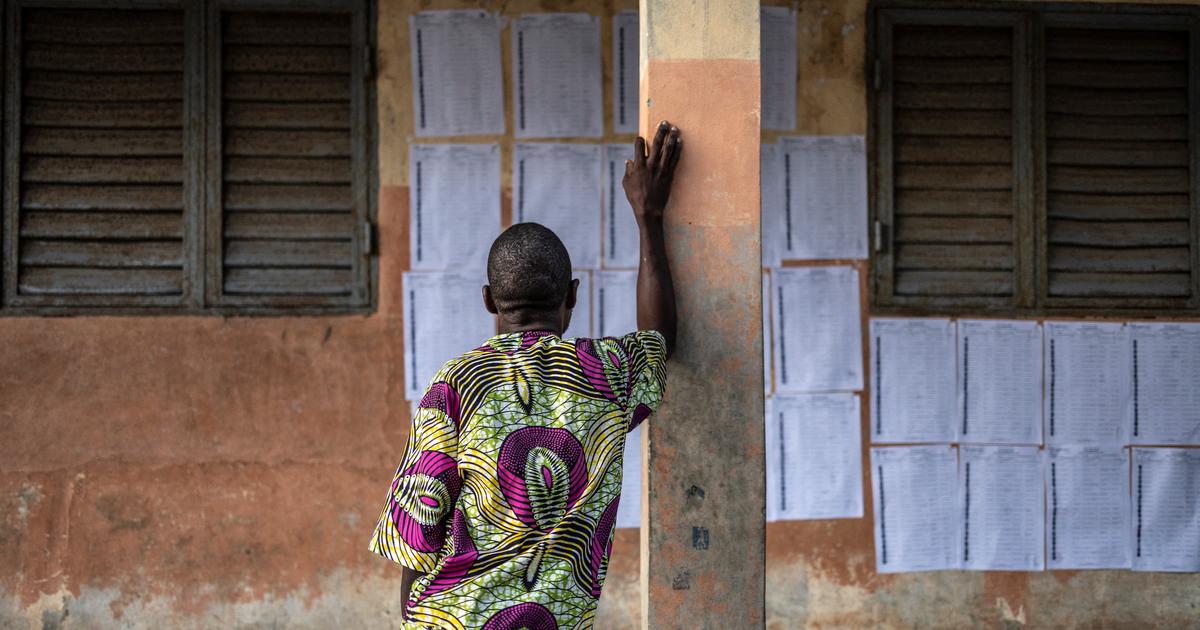

“Predetermined contests,” “lack of suspense,” “incumbent victories in the first round.” These phrases have become synonymous with presidential elections across Africa in 2025. Before campaigns even began, opposition figures faced systematic exclusion. The most recent examples? Djibouti’s vote on April 10 and Benin’s on April 12. In the Horn of Africa nation, incumbent President Ismaïl Omar Guelleh secured a sixth term with a staggering 97.8% of the vote. Meanwhile, in West Africa, Romuald Wadagani—handpicked successor to Patrice Talon—claimed victory with 94% of ballots cast. Both elections unfolded without genuine competition.
Candidates priced out of democracy
The story of Alexis Mohamed, a prominent opposition leader in Djibouti, exemplifies this trend. He withdrew from the race, citing not only safety concerns but, crucially, what he described as “insurmountable nomination fees.” Observers now describe the process as “little more than a formality,” where the outcome is decided long before polling stations open.
Across the continent, aspiring leaders face exorbitant financial barriers long before their names appear on ballots. These costs—ranging from registration deposits to campaign deposits—have become a silent censor, systematically blocking opposition voices from even entering the race. In some cases, fees exceed a candidate’s lifetime earnings, effectively pricing democracy out of reach for all but the wealthiest or most politically connected.
Why nomination fees matter
Nomination fees serve as the first—and often final—hurdle in many African elections. Unlike traditional campaign finance limits, these upfront costs are non-refundable, regardless of outcome. For opposition candidates, they represent a dual barrier: a financial obstacle and a tool for exclusion.
Consider the case of Benin. While Wadagani’s victory was widely anticipated, the real story lay in the dozens of would-be challengers who never made it to the start line. Official figures reveal that filing fees for presidential candidates reached record highs—far beyond the reach of grassroots campaigns. Small parties and independent candidates, already operating with minimal resources, found themselves priced out of participation entirely.
The consequences extend beyond individual races. When opposition figures cannot stand, elections lose credibility. International observers have repeatedly flagged these financial barriers as violations of democratic norms. Yet, in country after country, governments defend the fees as necessary to “ensure serious candidates” run—while critics argue they serve only to “guarantee predictable outcomes.”

 Boureima Amadou