Boureima Amadou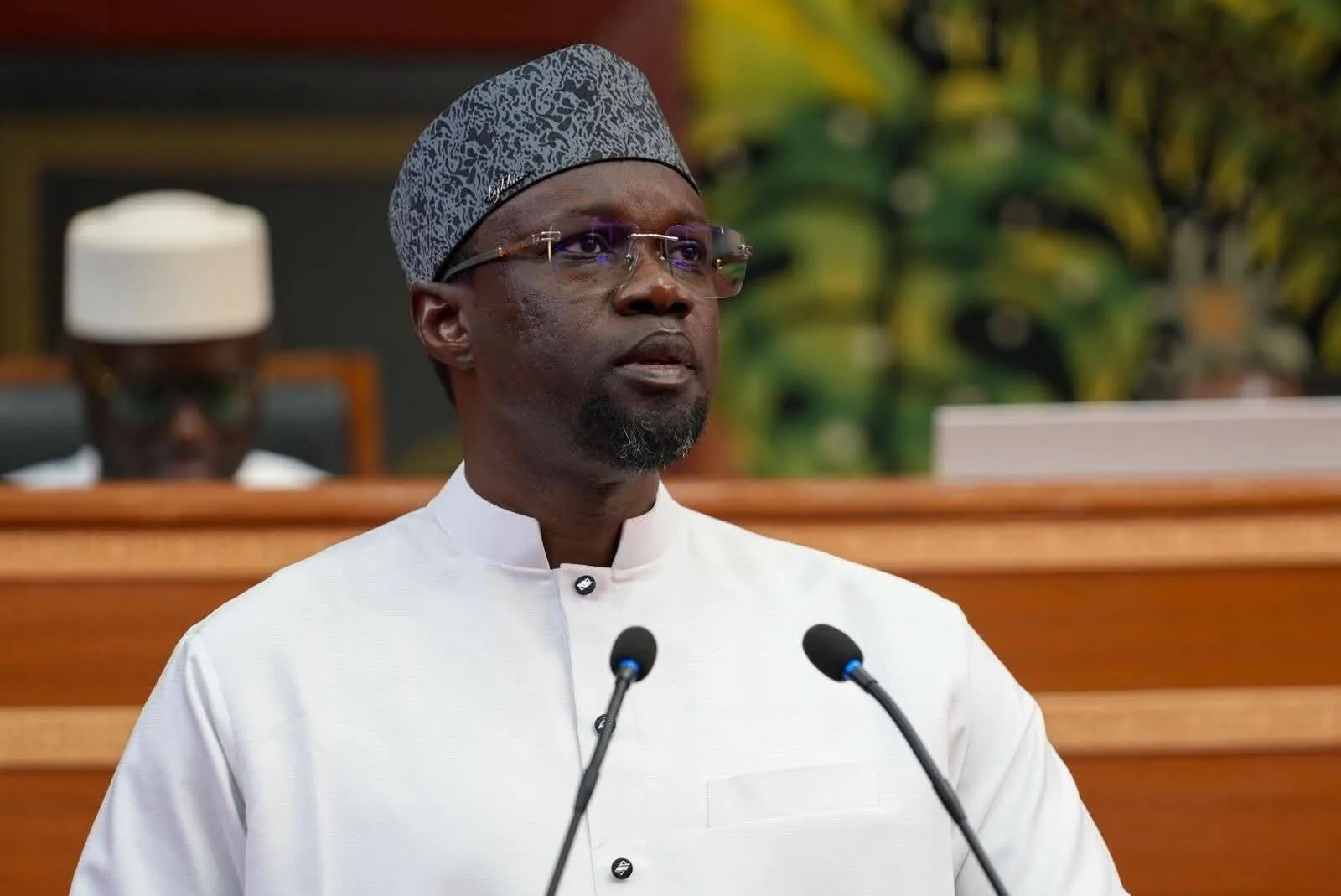
In a move underscoring the commitment to financial accountability within Senegal’s public institutions, the President of the National Assembly, Ousmane Sonko, has formally declared his assets as required by law.
This declaration places him among the key parliamentary figures who have fulfilled their obligations under the transparency framework enforced by the National Anti-Corruption Office (OFNAC). The list, made public by the regulator, confirms that multiple high-ranking officials from the legislative body have complied with the mandatory process.
Who else has declared assets?
The initiative includes several prominent members of the National Assembly leadership. In addition to the Assembly President, vice-presidents, parliamentary group leaders, and treasurers have also submitted their declarations. This collective effort reflects the institution’s broader push for governance reforms and ethical standards.
The timing of Sonko’s declaration is particularly notable, as he has only recently assumed the Assembly’s top leadership role. His participation in this transparency mechanism signals a fresh chapter for parliamentary oversight in Senegal.
How does the system work?
The asset declaration process is a cornerstone of Senegal’s anti-corruption and financial transparency policies. The OFNAC oversees these submissions, ensuring that high-ranking officials provide accurate and up-to-date records of their financial holdings. This system aims to prevent conflicts of interest and promote public trust in government institutions.
By adhering to these requirements, leaders like Sonko reinforce the principle that public service must be conducted with integrity. The declarations are not merely formalities—they are part of a structured accountability system designed to uphold the integrity of public office.