Boureima Amadou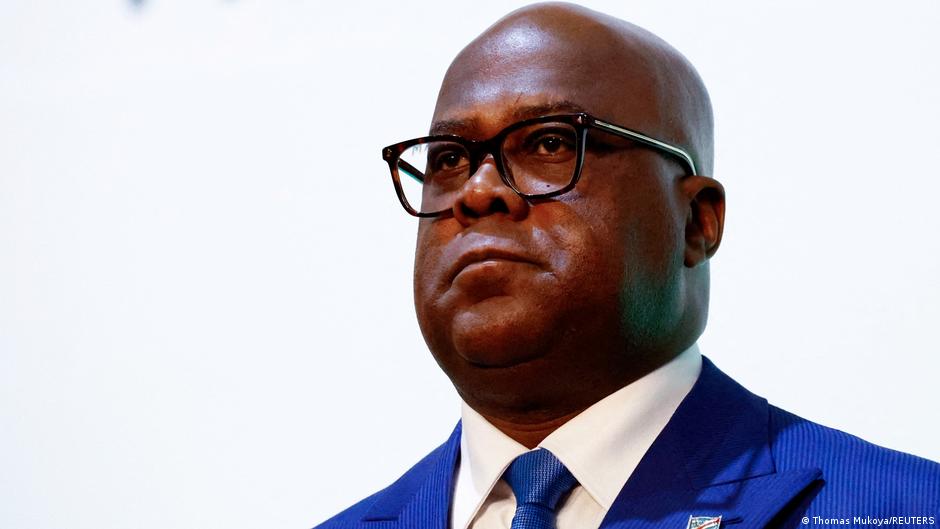
The President of the Democratic Republic of Congo, Félix Tshisekedi, has formally endorsed the launch of a nationwide, inclusive, and peaceful political dialogue. This landmark decision was unveiled following a high-level consultation with religious leaders from across the nation.
The upcoming discussions are set to tackle pressing national challenges, including:
- the deepening insecurity gripping the eastern regions;
- ongoing political divisions;
- governance reforms;
- economic hardships affecting millions;
- urgent steps needed to safeguard peace and democratic stability.
Unresolved logistics still under review
Several critical details remain to be finalized, such as:
- the exact schedule for the dialogue;
- the full participant list;
- the final agenda;
- the organizational framework, expected to be outlined in a presidential decree.
Why now?
The timing of this initiative reflects a strategic pivot toward national unity. Key objectives include:
- healing societal fractures;
- addressing the prolonged security crisis in eastern DRC;
- restoring political calm;
- uniting diverse stakeholders under constitutional principles.
Observers view this move as a meaningful shift in government posture. For over a year, calls for a national dialogue have grown louder—spearheaded by religious groups, parts of the opposition, and civil society organizations.
The opposition coalition has welcomed the announcement and postponed a planned demonstration in Kinshasa scheduled for July 22, 2026. However, they have set a firm deadline: unless the dialogue is officially convened before August 15, 2026, they reserve the right to resume public mobilization.
In a dedicated discussion, experts evaluated the significance of this political dialogue in the DRC:
- Bob Kabamba, political science professor at the University of Liège, Belgium;
- Martin Ziguélé, former Prime Minister of the Central African Republic and leader of the Central African People’s Liberation Movement;
- Trésor Kibangula, director of political research at Ebuteli, a Kinshasa- and Goma-based think tank focused on governance, politics, and violence in the DRC.