
 Boureima Amadou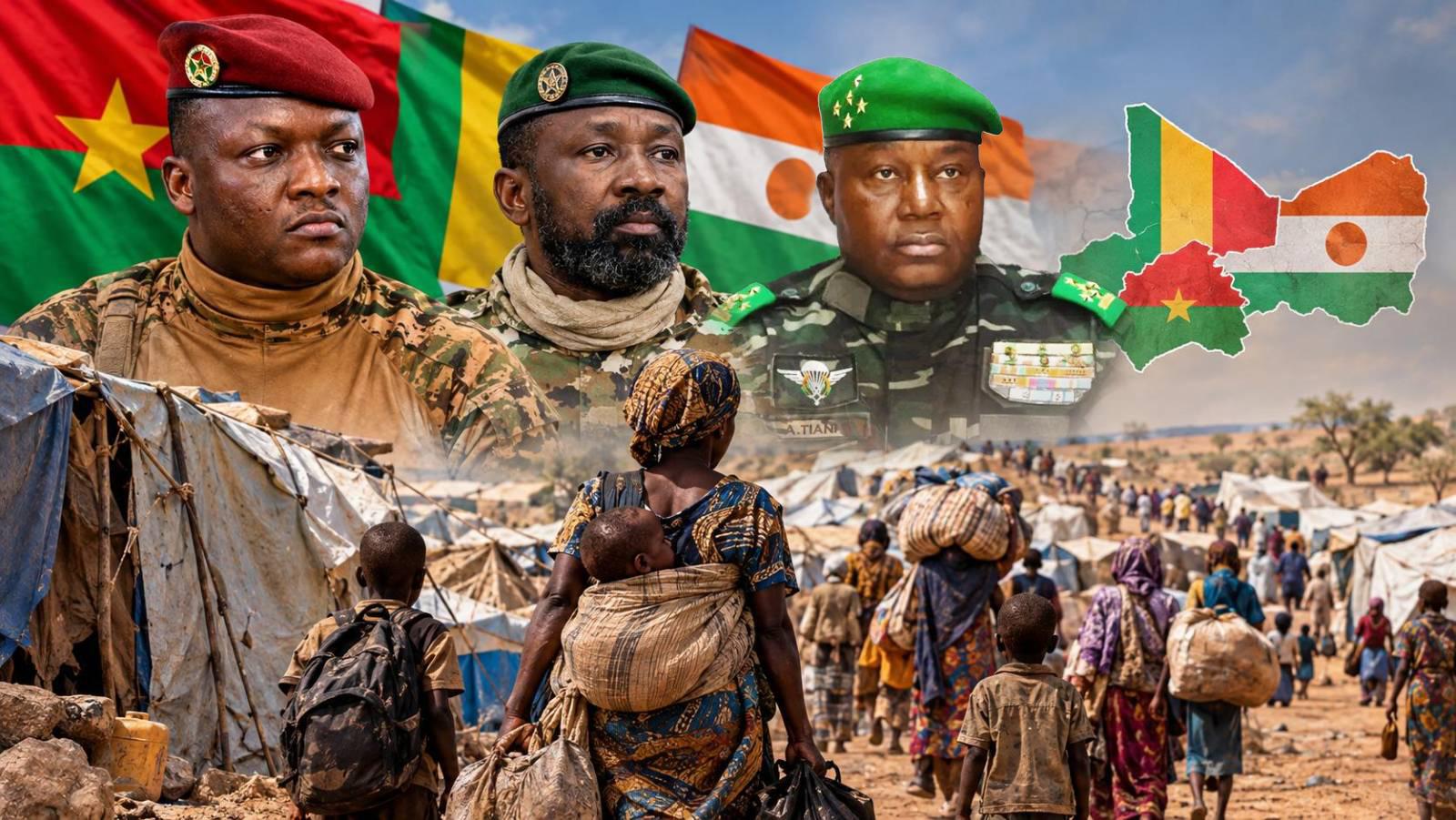
The Sahel region continues to face an escalating forced displacement crisis, with Burkina Faso, Mali, and Niger now hosting nearly four million internally displaced persons and refugees. According to the United Nations High Commissioner for Refugees (UNHCR), this figure represents nearly double the number recorded in 2020, a year marked by the first military coup in Mali.
Record displacement undermines military-led security promises
The surge in displacement comes despite repeated assurances from military authorities in the three countries belonging to the Alliance of Sahel States (AES). Since seizing power, these governments have prioritized sovereignty, territorial control, and security restoration as key justifications for their rule. Yet the soaring numbers of displaced individuals raise a critical question: why has the humanitarian crisis worsened despite military claims of restoring stability?
For millions affected, displacement is not merely a statistic but a daily reality of insecurity, shattered livelihoods, and broken families. Communities torn apart by violence have left behind homes, farms, and economic opportunities in search of safety. The human toll extends beyond displacement children face interrupted education, families struggle with food insecurity, and survivors often lack access to essential services such as healthcare and shelter.
Military governance and the gap between rhetoric and reality
While AES governments emphasize military operations and sovereignty narratives, the lived experiences of displaced populations tell a different story. Promises of reconquest and security have yet to translate into tangible improvements for those most affected. The focus on political messaging has overshadowed the urgent need for humanitarian action and sustainable solutions.
Governments must be held accountable not only for their statements but for their actions. The true measure of success lies in whether these policies translate into improved safety and living conditions for citizens. Until displacement figures stabilize and affected individuals regain stability, the effectiveness of military-led governance in addressing the Sahel’s crisis remains unproven.
Facing the facts: displacement as a reflection of unmet needs
The UNHCR’s reported figure of nearly four million displaced persons and refugees is staggering, but the underlying causes demand closer scrutiny. Policies must focus on protecting civilians, restoring livelihoods, and providing long-term solutions rather than relying on short-term military responses. Addressing displacement requires addressing the root causes violence, weak governance, and lack of economic opportunity while ensuring that humanitarian aid reaches those in greatest need.
Without concrete action, the crisis will continue to deepen, further straining already fragile systems across the region. The international community and regional governments must prioritize evidence-based strategies over political posturing to prevent this humanitarian emergency from worsening.
By Boureima Amadou — Journaliste / Rédacteur






