Boureima Amadou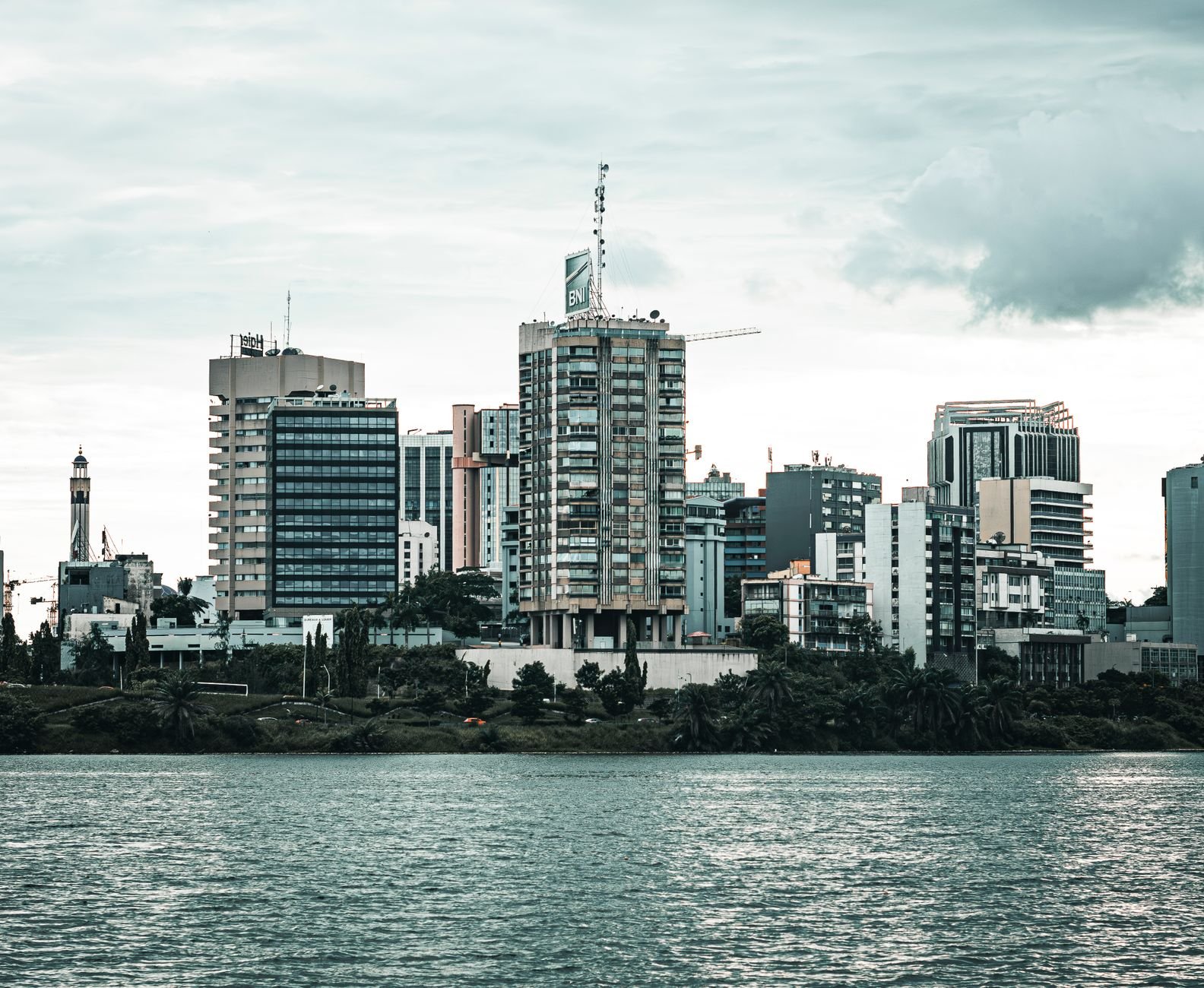
Ivorian President Alassane Ouattara has unequivocally stated his commitment to propelling Côte d’Ivoire onto a path of rapid development, issuing a powerful appeal for all segments of the nation to contribute to what he terms the «Grande Côte d’Ivoire». This rallying cry, delivered at the dawn of a fresh political era, underscores the head of state’s ambition to unite administrative, economic, religious, and community leaders behind a shared national endeavor. It emerges as Abidjan aims to leverage a decade of robust economic expansion to achieve a new phase of structural transformation.
A call for Ivorian vital forces to cohere
The presidential plea explicitly encompasses every facet of Ivorian society. Republican institutions, political factions, the private sector, civil society organizations, traditional leadership, and the diaspora are all encouraged to align with this collective endeavor. The language employed signifies an inclusive philosophy of governance, asserting that the triumph of the national agenda hinges on widespread support, transcending mere executive initiative. This strategic positioning is significant, occurring at a political juncture where the stability and consistent application of public policies are of paramount importance.
President Alassane Ouattara views this initiative as a continuation of the core strategies he has championed since 2011, which focus on industrialization, enhancing connectivity for rural regions, and establishing Abidjan as a pivotal regional hub. His objective is to translate the country’s positive macroeconomic trajectory, characterized by an average growth rate exceeding 6% in recent years, into more concrete social benefits for Ivorian households. The compelling narrative of the «Grande Côte d’Ivoire» embodies this dual aspiration: strengthening economic metrics while simultaneously boosting wealth redistribution.
A long-term economic and political project
From an economic standpoint, the vision of an expansive Côte d’Ivoire is intrinsically linked to several foundational projects already underway. The Port of Abidjan continues its significant extension; concurrently, the Port of San Pedro is bolstering its capabilities in both the mining and agricultural value chains. The national highway network is extending its reach northward, connecting towards Burkina Faso and Mali, with the strategic aim of fortifying West African logistical corridors. The energy sector, previously identified as a point of concern following a supply disruption in 2024, is now benefiting from substantial investments designed to ensure production security and diversify its energy sources.
Nevertheless, the political dimension holds equal significance. By engaging these vital forces, the Ivorian president aims to expand the foundational support for his administration beyond the confines of the Rassemblement des houphouëtistes pour la démocratie et la paix (RHDP) party structure. This inclusive rhetoric signals a strategic understanding: substantial infrastructure and economic transformation initiatives necessitate a broad consensus to prevent their reversal during future political transitions. The emphasis on the entire nation, rather than solely the presidential faction, aligns with this forward-looking perspective.
A method founded on rallying the nation
The specific choice of terminology is far from coincidental. By invoking the concept of «Grande Côte d’Ivoire», the executive consciously taps into a political legacy inherited from the nation’s founding president, Félix Houphouët-Boigny, whose era was marked by powerful, unifying slogans reflecting national aspirations. This deliberate connection seeks to embed the current presidential agenda within a continuum of historical purpose and to mitigate critiques concerning any perceived over-personalization of authority. However, the tangible realization of this ambitious call will ultimately hinge on the institutional capacity to transform political declarations into actionable, effective mechanisms.
Analysts observe that the success of such a comprehensive project mandates demonstrable advancements in governance, improvements in the business environment, and effective strategies to combat territorial disparities. The northern and central regions of the nation, which possess fewer infrastructure resources compared to the more developed lagoon coastal areas, continue to be designated as priority zones for investment. Furthermore, the imperative of youth inclusion presents a significant structural challenge, particularly in a country where more than 75% of the populace is under the age of 35. The presidential appeal will achieve its full resonance only if it culminates in concrete frameworks that genuinely integrate the aforementioned stakeholders into critical decision-making processes.