
 Mariama Hamani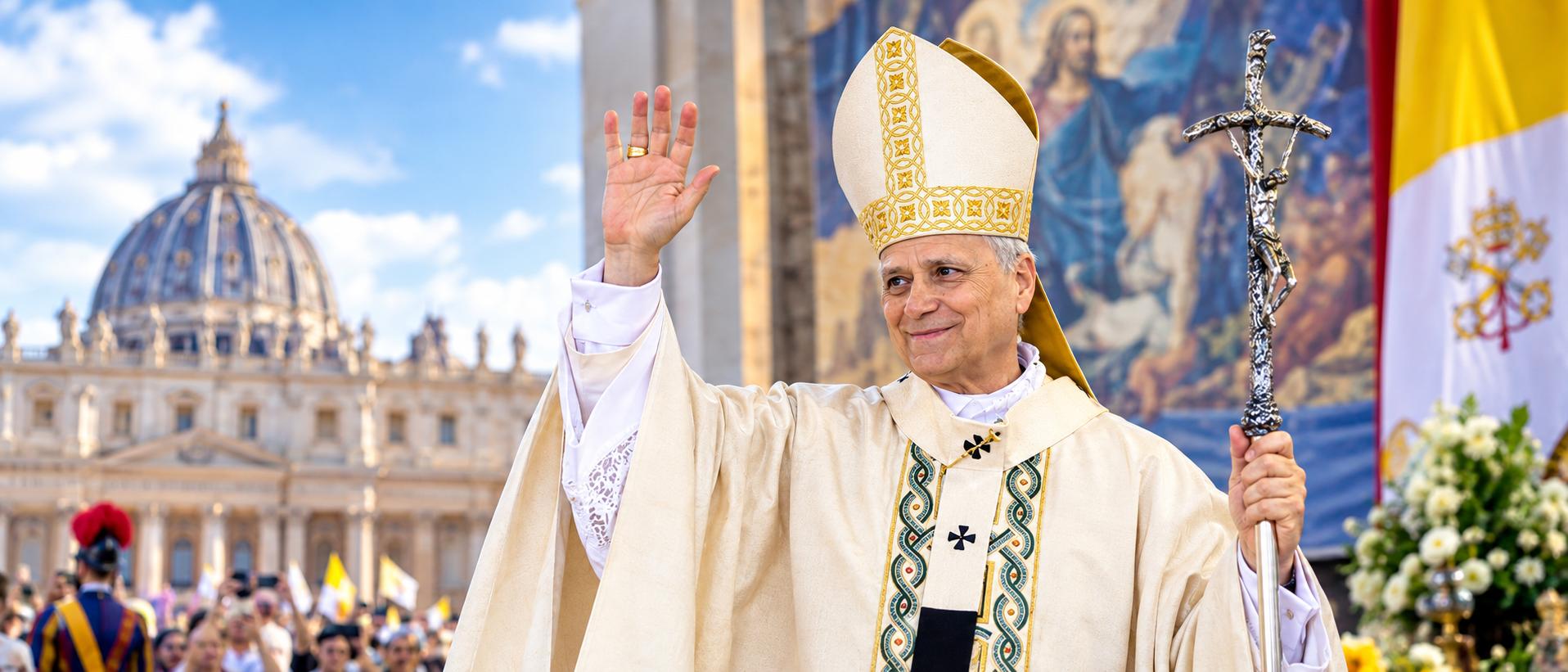
France is bracing for a four-day visit by Pope Leo XIV that will ripple far beyond the pews, touching everything from small businesses around Lourdes to the daily routines of Parisians and residents of Metz. Scheduled to begin on Friday, 25 September 2026, this is the pontiff’s first official journey to the country since his election, and its impact will be felt in parishes, on city streets, in the hospitality sector and in the corridors of power.
What the visit means for the economy and local communities
The arrival itself will be a spectacle with tangible effects. When the papal plane touches down at Paris-Orly at 10:00 a.m., church bells across France will ring out for seven minutes — a gesture that will be heard in thousands of towns and villages, signalling a moment of national attention. For businesses in the capital, the day brings both opportunity and disruption: the papal motorcade from Notre-Dame des Champs to Place Saint-Michel will close streets and draw crowds, while hotels, cafés and shops along the route expect a surge in foot traffic.
The evening gathering at the Stade de France in Saint-Denis, where more than 75,000 young people are expected, represents a major logistical undertaking with direct economic consequences for the area. The rare display of the Holy Tunic of Argenteuil during that vigil is likely to attract additional pilgrims and visitors in the coming days, boosting local commerce.
Paris: institutions, the vulnerable and a mass on the Champs-Élysées
Friday’s schedule underscores the dual nature of the trip — diplomatic and pastoral. The pope will meet the President of the Republic at the Élysée Palace, deliver an address to the diplomatic corps, and speak at UNESCO headquarters at 3:00 p.m. These engagements carry weight for France’s international standing and for the Catholic Church’s role in global cultural and educational debates.
On Saturday, 26 September, the focus shifts to those often overlooked. At the Maison Bakhita in the 18th arrondissement, Leo XIV will meet vulnerable people — a visit that highlights the Church’s social outreach and draws attention to the needs of marginalised groups. Later, he will exchange with the Synodal Assembly at the Institut Catholique de Paris, before celebrating an open-air mass between Place de la Concorde and the Champs-Élysées. That mass alone is expected to draw tens of thousands, with knock-on effects for transport networks, security deployments and local businesses.
Lourdes: a pilgrimage that sustains a region
On Saturday evening, the pope will fly to Tarbes-Lourdes on a special Air France flight. Sunday, 27 September, will be dedicated entirely to the Marian sanctuary. The day includes prayer at the Grotto of Massabielle, a Sunday mass on the Prairie before more than 150,000 faithful, meetings with the sick, and a torchlight procession.
For Lourdes, the visit is more than a spiritual event — it is an economic lifeline. Hotels, restaurants, shops and transport services in the area depend heavily on pilgrim traffic, and a papal visit of this scale brings a significant, if temporary, boost. The presence of the pope also raises the international profile of the sanctuary, which could translate into sustained visitor numbers in the months and years ahead.
Metz and the European dimension
The journey concludes on Monday, 28 September, in Lorraine. In Metz, Leo XIV will hold an ecumenical meeting focused on “the roots of Europe, peace and unity,” before presiding over a final mass at the Cathedral of Saint-Étienne and returning to Rome in the early evening. This closing stop sends a clear signal about the Church’s commitment to European cohesion and interfaith dialogue — a message with political resonance at a time when the continent faces multiple challenges.
For the city of Metz and the wider region, the visit brings a moment in the spotlight, with potential benefits for tourism and local pride, alongside the logistical strain of hosting a major international event.
Beyond the four days: lasting effects
While the visit is brief, its consequences will linger. The attention generated by the pope’s presence can invigorate parish life, inspire volunteerism and spark conversations about faith and social responsibility. Economically, the influx of visitors provides a short-term lift, but the longer-term impact depends on how communities capitalise on the exposure. Politically, the visit reaffirms the delicate balance between the French state and the Catholic Church, and it positions Leo XIV as a moral voice on issues ranging from migration to European unity.
For ordinary citizens — whether they line the streets, attend a mass or simply navigate the road closures — the four days will be a reminder of how a single event can shape public life, commerce and collective memory.






