Boureima Amadou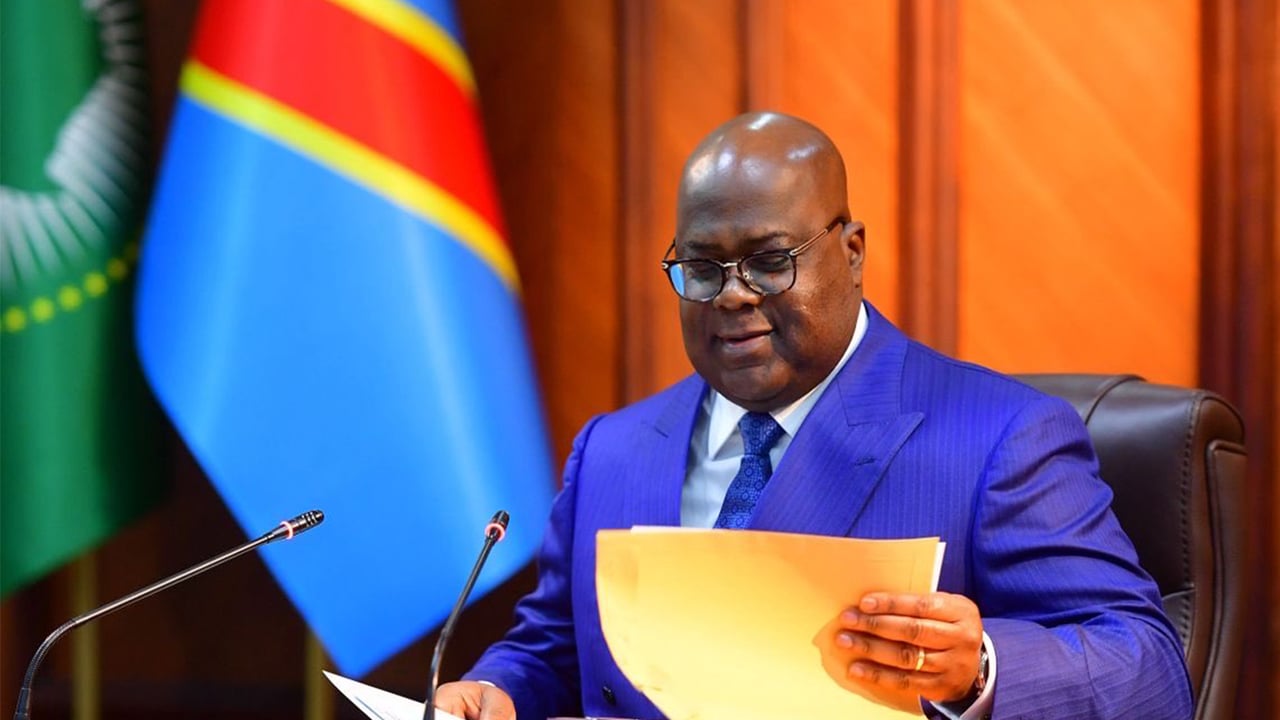
In the heart of Kinshasa, signs of political easing are emerging as the Democratic Republic of the Congo (DRC) prepares for a pivotal national dialogue. The atmosphere, once charged with tension, now reflects cautious optimism among key stakeholders.
Félix Tshisekedi’s leadership under scrutiny
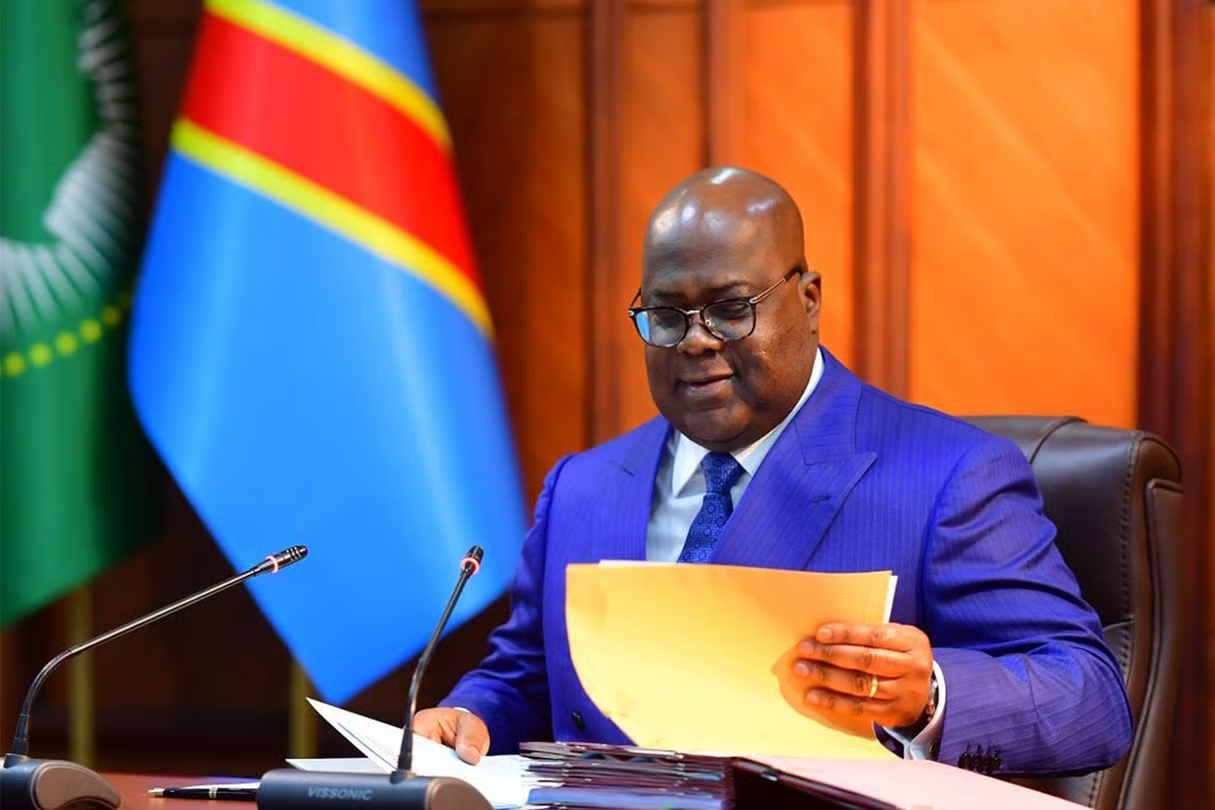
Félix Tshisekedi, the President of the DRC, continues to navigate a complex political landscape. His administration’s recent moves have sparked debates across the nation, with some praising progress while others question the pace of reform. The President’s ability to foster dialogue remains a focal point of national discourse.
What’s driving the political thaw?
The shift in tone comes after months of political gridlock. Recent concessions from both the government and opposition factions have paved the way for preliminary discussions. Analysts attribute this development to a combination of domestic pressure and international mediation efforts aimed at stabilizing the region.
The push for dialogue gained momentum following widespread calls for inclusive governance. Civil society leaders and opposition figures have intensified their advocacy, urging the government to address long-standing grievances. This collective pressure appears to have influenced the current trajectory toward reconciliation.
Key players in the dialogue process
- Government representatives: Leading the initiative are officials closely aligned with President Tshisekedi, who are tasked with steering the dialogue toward constructive outcomes.
- Opposition leaders: Skeptical of past promises, opposition figures are cautiously engaging, demanding tangible commitments before fully endorsing the process.
- Civil society: Activists and community leaders are playing an active role, ensuring marginalized voices are represented in the discussions.
- International observers: Regional and global actors are closely monitoring the developments, ready to offer support where needed.
Challenges on the horizon
Despite the promising signs, significant hurdles remain. Trust between the government and opposition is fragile, and past broken agreements loom large in the collective memory. Additionally, the DRC’s complex socio-economic challenges—including security threats and economic instability—complicate efforts to achieve sustainable dialogue.
The upcoming national dialogue faces the daunting task of addressing these issues while maintaining public confidence. Failure to deliver tangible results could reignite tensions, undermining the fragile progress made thus far.
Public sentiment: a mixed bag
Citizens across the DRC are divided in their reactions. While some express hope that the dialogue will bring much-needed stability, others remain skeptical, citing a history of unfulfilled promises. The nation’s diverse ethnic and political landscape further amplifies these differing perspectives.
Young people, in particular, are demanding urgent action on youth unemployment and access to quality education. Their voices are becoming increasingly difficult to ignore, adding another layer of complexity to the dialogue process.
What’s next for the DRC?
The path forward is uncertain, but the potential for progress is undeniable. The success of the national dialogue will hinge on the government’s willingness to make meaningful concessions and the opposition’s ability to remain engaged constructively. International partners may also play a crucial role in facilitating an environment conducive to compromise.
As Kinshasa watches and waits, one thing is clear: the stakes could not be higher. The decisions made in the coming weeks will shape the DRC’s political and economic future for years to come.