Boureima Amadou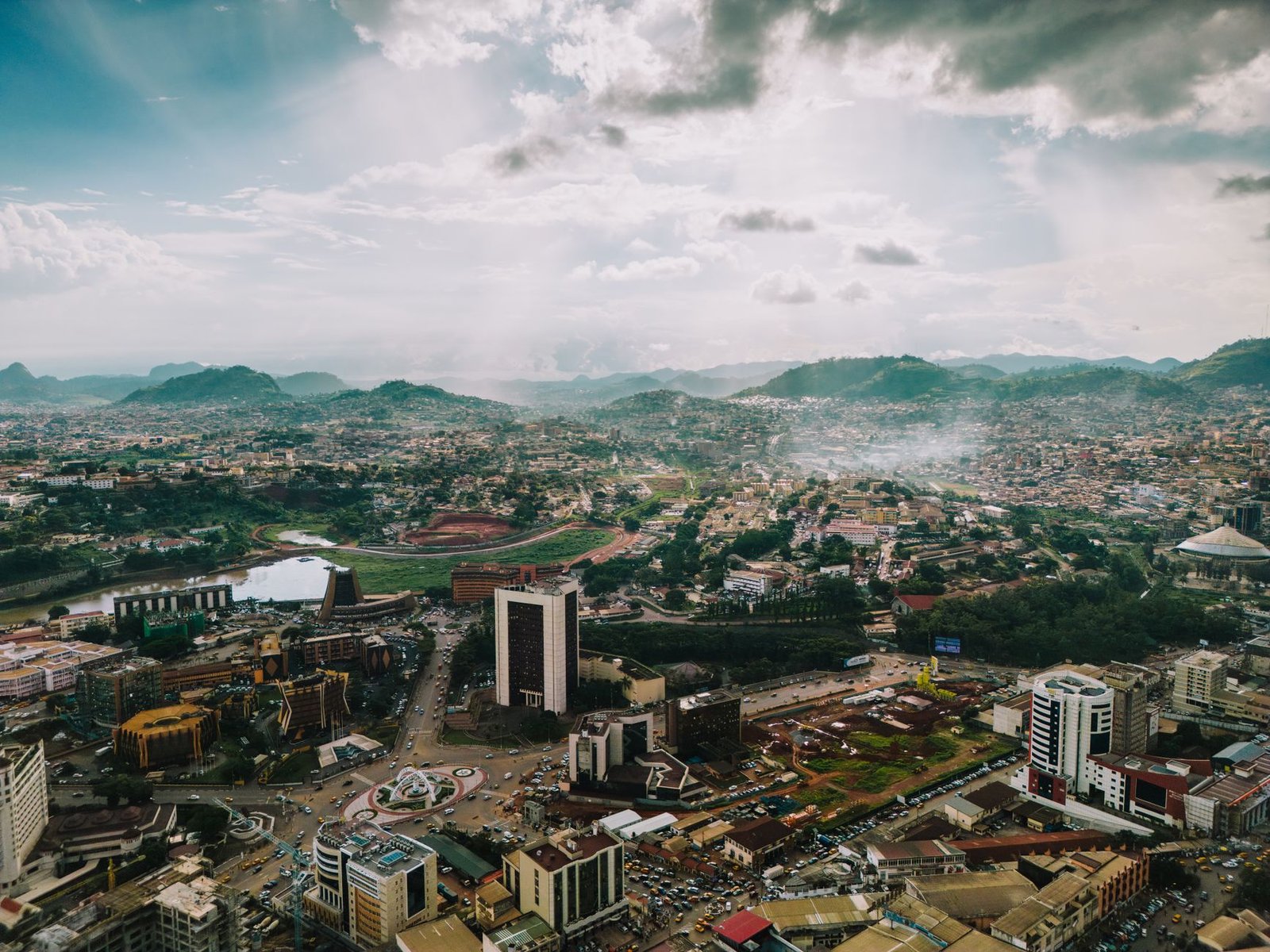
Yaoundé braces for a significant moment as President Paul Biya prepares to return to Cameroon, following yet another prolonged absence abroad. At 91, Africa’s longest-serving leader faces renewed scrutiny each time he ventures beyond national borders, raising persistent questions about his health and the stability of the nation’s executive leadership.
The presidency has moved swiftly to dispel rumors circulating in diplomatic circles and on social media, where speculation about a potential power vacuum resurfaces with every extended trip. Officials insist the president remains firmly in control, despite his frequent retreats to private destinations and the prolonged silence that often accompanies them.
Governance from afar fuels institutional unease
Since ascending to power in November 1982, President Biya has cultivated a political system defined by rigid centralization, where decision-making revolves tightly around his person. His recurring absences, however, have exposed critical gaps in the functioning of government when its highest authority is physically distant. Cabinet meetings are infrequent, presidential public appearances are limited to a handful per year, and major policy shifts are typically enacted through remotely signed decrees.
This fragmented approach to leadership has intensified discomfort among Cameroon’s political elite. Opposition leaders, including Maurice Kamto of the Movement for the Renaissance of Cameroon (MRC), have repeatedly called for transparency regarding the president’s ability to fulfill his duties. The ruling Cameroon People’s Democratic Movement (RDPC), however, dismisses these concerns, asserting that their leader remains fully alert and engaged in state affairs.
Pre-election tensions heighten political stakes
The impending return of President Biya takes on heightened significance as the 2025 presidential election looms on the horizon. The upcoming poll carries immense weight for Cameroon’s political future, with speculation mounting over whether the incumbent will seek an unprecedented eighth term. Neither the RDPC nor the president himself has provided a definitive answer, maintaining a strategic ambiguity that effectively freezes domestic political dynamics.
The country’s economic landscape presents its own set of formidable challenges. With growth hovering around 4%—a rate lagging behind the needs of a rapidly expanding youth population—Cameroon grapples with structural pressures. The Anglophone crisis in the North-West and South-West regions, the persistent threat posed by Boko Haram in the Far North, and recurring communal tensions across multiple zones demand decisive and immediate governance.
International partners weigh in on stability concerns
For Cameroon’s international allies, including France, China, and the United States, the stability of Yaoundé remains a cornerstone of regional security. The country’s strategic position bridges Central Africa and the Gulf of Guinea, boasts a significant oil sector, and serves as a critical logistical hub for landlocked neighbors such as Chad and the Central African Republic. Any prolonged uncertainty in leadership is viewed as a potential destabilizing factor for the broader region.
Domestic business circles have adapted, albeit unevenly, to this intermittent style of governance. Major decisions in key sectors—such as telecommunications, infrastructure, and hydrocarbons—are frequently delayed or slowed by the absence of timely presidential directives. Yet, the administrative apparatus, honed by decades of practice, continues to operate by inertia, avoiding visible disruptions.
The announcement of President Biya’s imminent return serves as a reaffirmation of the status quo rather than the dawn of a new political chapter. In Yaoundé and beyond, all eyes are now trained on the coming weeks to determine whether official statements align with reality. Close associates have confirmed that the president’s homecoming is forthcoming.