Boureima Amadou
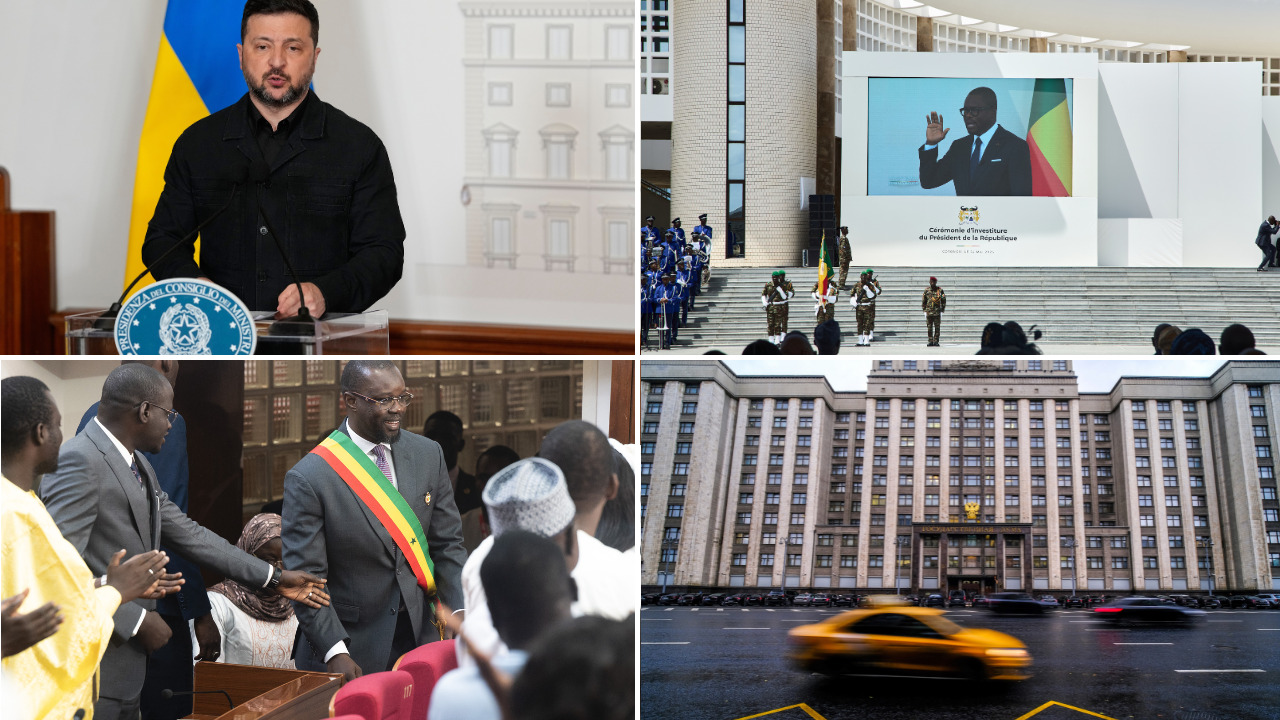
Just four days following his departure from the Prime Minister’s office, Ousmane Sonko secured the presidency of Senegal’s National Assembly. In his inaugural address, he unequivocally signaled his intent to leave a distinct mark, asserting that “the National Assembly will not merely serve as a rubber stamp.” The former Prime Minister underscored his dedication to rigorously scrutinizing governmental actions, while simultaneously stressing the imperative of upholding institutional stability. This development is certainly a key piece of African current affairs.
What tangible authority does this new position grant Ousmane Sonko? And how will this unprecedented cohabitation at the nation’s highest echelons effectively function?
Senegal’s National Assembly: a significant lever for Sonko
Ousmane Sonko’s election to lead the National Assembly undeniably represents a pivotal moment in his political journey. This new appointment places him in a strategically vital position within Senegal’s institutional framework. How precisely does this role diverge from his previous tenure as Prime Minister? What specific prerogatives empower him to shape national decisions?
As the newly installed President of the Assembly, Sonko now wields enhanced parliamentary oversight. He possesses the authority to summon government officials for questioning, initiate legislative proposals, and significantly influence parliamentary debates. His inaugural speech explicitly highlighted his determination to avoid a passive role, declaring, “We will ensure that every governmental decision undergoes rigorous examination.” This is a critical aspect of African governance.
An unprecedented cohabitation at the nation’s helm
This swift transition from the Prime Minister’s office to the presidency of the National Assembly engenders an unparalleled political dynamic within Senegal. How will Ousmane Sonko navigate this cohabitation with the executive branch? What potential challenges might this evolving power structure present for institutional stability? This situation is generating considerable English Africa news.
Political analysts are keenly observing Sonko’s capacity to reconcile his oversight responsibilities with his stated objective of safeguarding institutions. His investiture address suggested a readiness for dialogue, yet also projected an unmistakable resolve, emphasizing that “stability must not be synonymous with complacence.” This stance could fundamentally reshape the balance of power within the Senegalese government, impacting African governance.
One certainty remains: Ousmane Sonko, now at the helm of the National Assembly, is poised to indelibly impact the political trajectory of the nation.