
 Mariama Hamani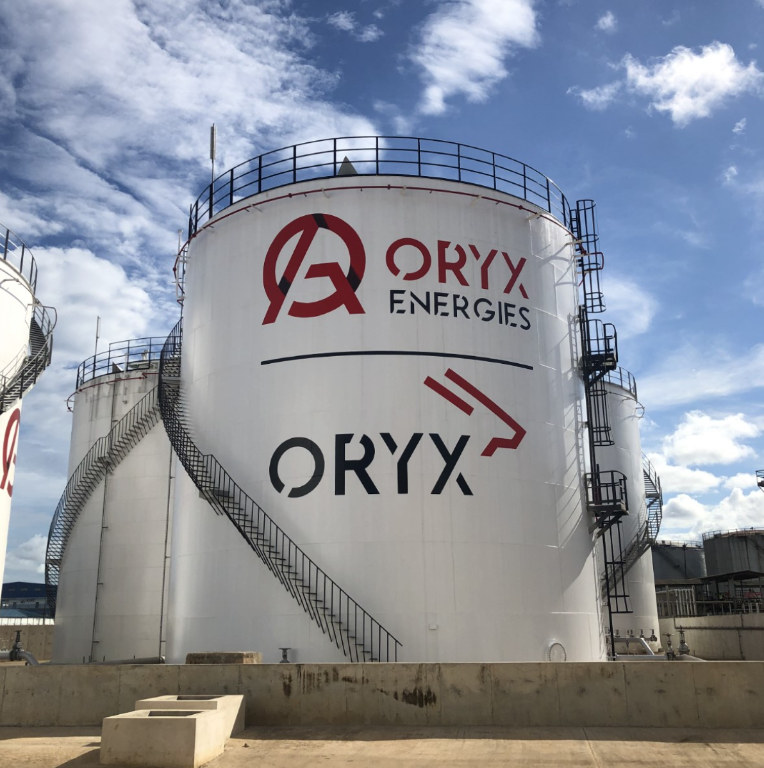
Oryx Energies, the Swiss-based hydrocarbons trader with deep roots in Africa, has been sold in a $1 billion deal, reshaping the continent’s energy landscape. The acquisition marks one of the most significant shifts in African fuel distribution in recent years, reflecting growing investor interest in energy infrastructure across the region.
What the billion-dollar sale means for African energy markets
The transaction places Oryx Energies under new ownership, ending months of speculation about its future. The Swiss-based group, which has operated in Africa for over 30 years, is a key player in fuel trading, storage, and distribution, with a presence in more than 20 sub-Saharan African countries.
This deal is more than a financial milestone—it signals a strategic move by investors keen to capitalize on Africa’s expanding energy sector. With demand for fuel, liquefied petroleum gas (LPG), and lubricants rising across the continent, companies like Oryx Energies play a crucial role in securing supply chains and meeting industrial and household energy needs.
Oryx Energies: from trading to integrated energy solutions
Originally founded as part of the AOG conglomerate, Oryx Energies was restructured in 2013 to consolidate its trading and distribution operations under a single brand. Today, the company manages a vast network encompassing fuel supply, LPG distribution, maritime bunkering, logistics, and storage.
Oryx’s integrated model provides a competitive edge in Africa, where reliable distribution networks are essential. The company operates over 1,800 employees and controls nearly one million cubic meters of storage capacity, making it a critical link in the energy supply chain for multiple African nations.
The rise of LPG and its strategic importance
One of Oryx Energies’ most significant segments is liquefied petroleum gas (LPG), which has become a priority for many African governments aiming to reduce reliance on wood and charcoal for household energy. In Tanzania alone, LPG demand has surged, driving partnerships and infrastructure investments.
Key LPG markets for Oryx include:
- Tanzania, where discussions in mid-2026 hinted at a $250 million asset deal with local partner Amsons
- Urban centers across West and East Africa, where LPG adoption is growing
- Industrial and commercial sectors, where energy efficiency is a key driver
Why a billion-dollar price tag?
The $1 billion valuation reflects far more than just revenue streams. Oryx’s assets—including storage terminals, transport fleets, and long-term supply contracts—represent decades of infrastructure development. These barriers to entry make independent market entry costly and time-consuming for competitors.
The company handles 9.44 million tons of oil products annually, with a storage footprint of 947,276 cubic meters. Such scale and infrastructure are difficult to replicate, giving Oryx a dominant position in multiple African fuel markets.
New owners, new strategies?
The acquisition introduces a new chapter for Oryx Energies. While the previous leadership, including CEO Moussa Diao and founder Jean-Claude Gandur, played a foundational role in the company’s growth, the new owners now face decisions on the group’s future direction. Will they prioritize:
- Expansion into new African markets?
- Investments in cleaner energy solutions, such as LPG expansion?
- Strengthening storage and distribution networks?
- Diversifying into renewable energy or other fuel segments?
The outcome will shape not only Oryx’s trajectory but also the broader African energy sector, where demand continues to climb amid urbanization and industrial growth.
A continental energy shift
This deal underscores a broader trend: the increasing value of African energy infrastructure. As global oil price volatility and geopolitical risks persist, companies with secure supply chains and local distribution networks gain a critical advantage. Oryx Energies’ new owners now hold a pivotal position in this evolving market, with the potential to influence fuel pricing, availability, and energy policies across the continent.
The $1 billion sale is more than a transaction—it’s a statement about the future of energy in Africa.






