
 Mariama Hamani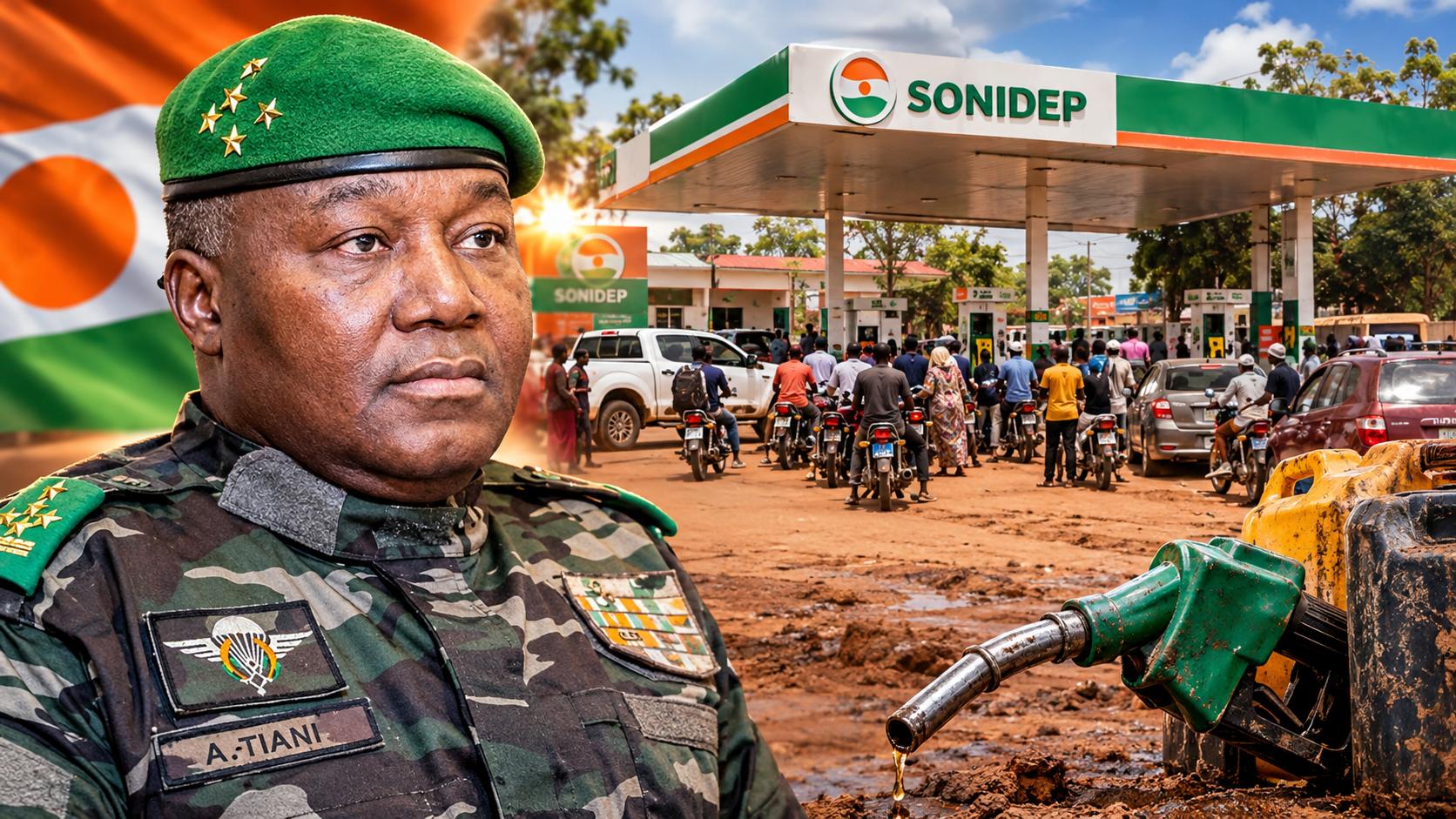
Official denials meet visible shortages at Niger’s pumps
Niger appears to be the only nation where fuel shortages manifest dramatically in daily life yet remain absent from official reports. As drivers queue for hours at service stations across major towns, government communications present a starkly different picture, describing the supply situation as entirely normal.
Daily queues reveal the true state of fuel availability
Motorists and motorcyclists enduring long waits at petrol stations are not imagining a crisis they are living it. Yet state media continues to label the shortage as mere speculation, claiming no region in Niger is affected by fuel scarcity.
Regional patterns echo similar challenges across the Sahel
The Nigerien situation reflects a broader pattern observed in the three member states of the Alliance of Sahel States. Mali, Burkina Faso, and Niger have all grappled with the challenge of reconciling official narratives of stability and progress with harsh economic realities.
Mali’s recent experience sets an evident precedent
In Mali, authorities openly acknowledged significant fuel supply disruptions in their New Year 2026 address, highlighting months of challenges despite claiming measures had prevented severe shortages. This frank admission contrasts sharply with Niger’s insistence that no supply issues exist.
Cheap fuel loses its value when supply collapses
For months, Niger’s government touted record-low fuel prices as evidence of effective economic management. Yet when fuel becomes unavailable regardless of cost, the broader economic impact becomes undeniable. Businesses delay operations, transport costs surge, and agricultural productivity slows all consequences that cannot be measured by pump prices alone.
The vulnerability of landlocked nations to fuel shortages
Niger’s heavy dependence on imported fuel from coastal nations creates inherent vulnerabilities. Fluctuations in global supply chains or regional political shifts can instantly transform affordable fuel into an unavailable necessity, affecting every sector of the economy.
Transparency, not semantics, should define the response
The critical issue is not whether officials use the word ‘shortage’ in their statements. What matters is providing verifiable data current stock levels, distribution volumes, operational stations, import quantities, and regional breakdowns. Numbers offer clarity when slogans fail.
Public trust erodes when perception contradicts reality
Governments across the Sahel frequently decry ‘disinformation campaigns,’ yet this rhetoric risks obscuring genuine concerns. When citizens experience shortages firsthand while hearing official denials, the gap between government and population widens. The most immediate victim of such misalignment is public confidence in leadership.
Can Niger’s leadership acknowledge what its citizens already know?
Even if Niger’s authorities refuse to classify the situation as a ‘shortage,’ the persistent queues and struggling stations tell a different story. When families spend hours searching for fuel and businesses face operational delays, one fundamental question emerges: Is this truly a rumor, or simply a reality the government has yet to openly confront?
By Mariama Hamani — Journaliste / Rédacteur






