Boureima Amadou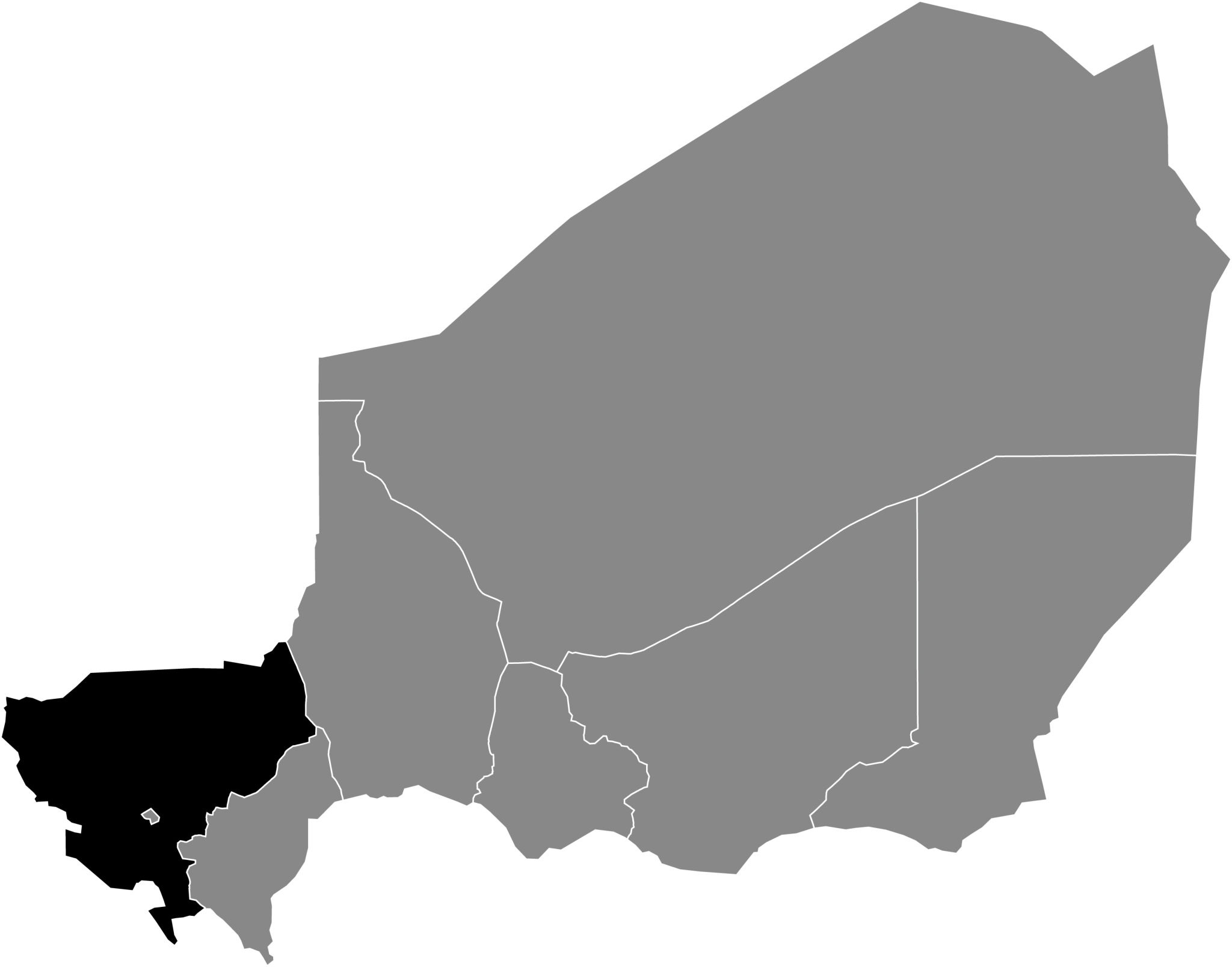
What was meant to be a moment of unity and mourning turned into a devastating loss when a funeral gathering in the village of Chinagodrar, located in northern Tillabéri, was struck by two military drone attacks. On the afternoon of July 24th, civilians had gathered to honor a family in grief—only for the ceremony to be violently interrupted by the strikes, leaving at least seven dead and numerous others injured.
The attack sent shockwaves through the already fragile community. Survivors described a scene of utter panic as families scattered, some rushing to aid the wounded while others fled for safety. The second explosion, which followed shortly after the first, compounded the tragedy, striking those attempting to evacuate victims and damaging nearby homes.
The three-border region: a powder keg of violence
The Tillabéri region has long been one of the most volatile areas in Niger, bordering both Mali and Burkina Faso. Known as the “three-border zone,” it has become a hotspot for clashes between national security forces and armed jihadist groups. In response to the escalating threat, the government has intensified military operations, increasingly relying on drone surveillance and strikes to target suspected militants.
However, the use of such technology in densely populated areas raises serious concerns. Civilian gatherings—whether markets, religious ceremonies, or funerals—often draw large crowds, increasing the risk of misidentification and collateral damage. When intelligence is incomplete or unverified, the margin for error grows, leaving innocent lives in the crossfire.
A double strike that deepened the tragedy
According to accounts from local witnesses, the first explosion triggered immediate chaos as attendees scrambled to help the injured. Moments later, a second strike hit the area, striking those already in distress and further complicating rescue efforts. Survivors recounted harrowing scenes of families torn apart, cries echoing through the village, and emergency responders struggling to navigate the chaos in an already isolated region.
The provisional death toll stands at seven, though locals warn the number may rise as critically wounded individuals fight for their lives. Among the victims were attendees who had come merely to pay their respects, deepening the community’s sense of injustice and confusion.
Families shattered, trust eroded
Beyond the human cost, the attack has left behind grieving families and a population grappling with psychological trauma. In a region where civilians already live under the constant shadow of jihadist violence, this incident has amplified fears of being caught between warring factions—terrorist groups on one side and military operations on the other.
The lack of official clarity has only intensified the uncertainty. Authorities have yet to release a detailed account of the operation, including confirmation of the target, the circumstances leading to the strikes, or any acknowledgment of civilian harm. This silence has fueled speculation and left families demanding answers.
Questions over drone warfare in civilian zones
The tragedy has reignited debates about the rules governing drone strikes in counterinsurgency operations. International humanitarian law demands rigorous efforts to distinguish between combatants and civilians, yet critics argue that in high-risk areas like Tillabéri, the reliance on aerial strikes without foolproof intelligence risks violating these principles.
Human rights organizations have long emphasized that operations in populated zones require near-flawless intelligence to minimize civilian casualties. The absence of transparency following this attack only underscores the need for clearer protocols and accountability.
The incident also threatens to strain the already fragile trust between local communities and security forces. In regions plagued by chronic insecurity, civilian cooperation is vital for gathering intelligence and combating extremist groups. Each incident involving civilian harm risks deepening resentment, complicating future military efforts, and reinforcing feelings of abandonment among rural populations already battered by years of conflict.