
 Mariama Hamani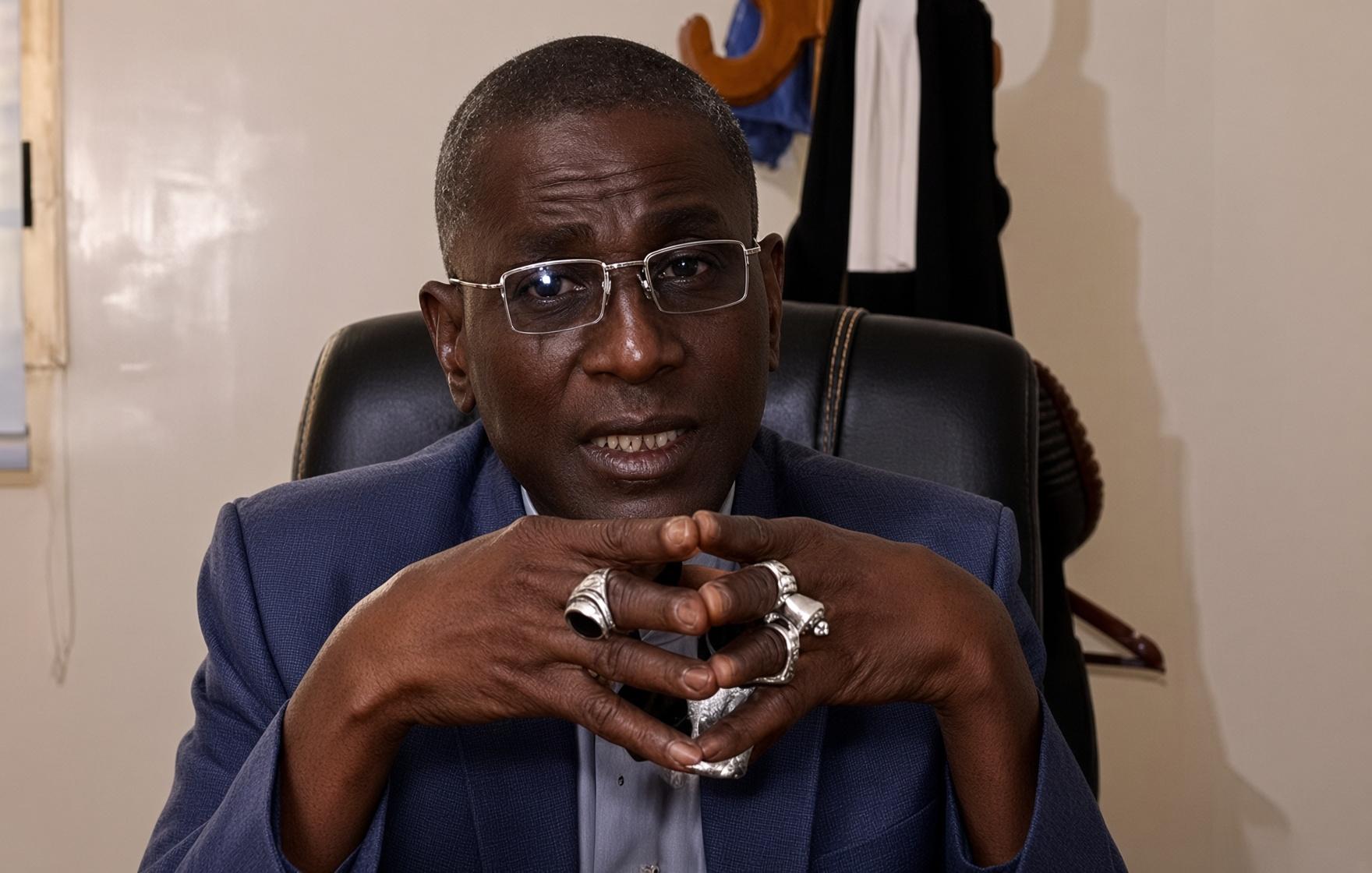
Five-year term sought for Niamey lawyer Abdourahamane Lirwana
Niamey’s criminal court has delivered a stern warning to legal professionals daring to challenge state narratives online. Lawyer Abdourahamane Lirwana, held in detention since mid-September, appeared Tuesday before the High Court of Niamey, where prosecutors demanded a five-year prison sentence along with a fine of five million West African francs. The charges stem from controversial online posts that officials claim undermined public order—a charge categorised under Niger’s cybercrime laws.
Cyberspace crackdown: social media posts cited as grounds for prosecution
The case centres on content posted by Lirwana on various social platforms. Prosecutors allege these materials contained elements likely to disturb public tranquillity. Under Niger’s cybersecurity framework, such dissemination is treated as a criminal offence punishable by significant prison time. The legal battle has thrust the intersection of digital freedom and judicial authority into the national spotlight.
Defence walks out after court rejects venue change request
Just one day before proceedings began, Lirwana’s legal team filed an urgent motion seeking to transfer the case outside Niamey, arguing the local court lacked the impartiality necessary for a fair trial. The State Court swiftly dismissed the application, ordering the trial to proceed in Niamey. In response, defence counsel announced they would refuse to participate further, calling the judicial process fundamentally flawed. Throughout the hearing, Lirwana maintained absolute silence in line with his lawyers’ instructions.
Judgment pending as legal community weighs implications
>The tribunal proceeded without defence arguments, concluding the session and reserving judgment. The upcoming verdict is expected to set a lasting precedent—one that may influence how Nigerien authorities regulate online expression. Legal observers and civil society groups are closely monitoring developments, fearful that a harsh ruling could embolden further restrictions on public discourse in digital spaces.






