Boureima Amadou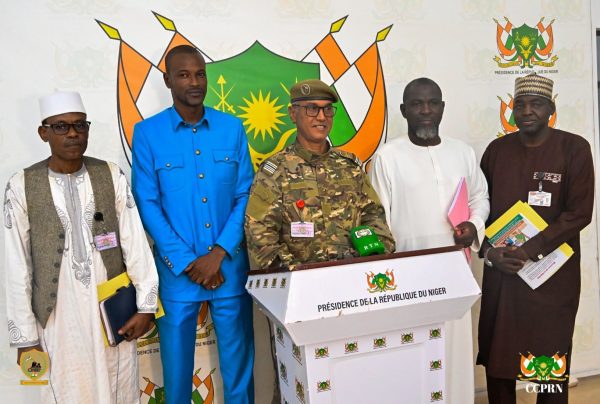
In Niamey, the tide is turning against financial impropriety and delinquent payers. A pivotal moment arrived on a Wednesday in August 2026, as high-ranking officials gathered in the presidential palace under the watchful eyes of the Supreme Council. The occasion? The inaugural financial review of Operation « Clean Hands, » spearheaded by the COLDEFF—a specialized body tasked with exposing financial crimes and reclaiming misappropriated public funds for the benefit of citizens.
The figures speak volumes: over 74 billion West African CFA francs have been reintegrated into the national treasury in a single year. This staggering sum reflects a sharp uptick in recoveries, with an additional 12 billion francs recouped in just twelve months. Yet these numbers only scratch the surface, as they do not account for seized properties, vehicle fleets, or other movable assets compulsorily liquidated from defaulters caught in the act.
Pecuniary penalties over imprisonment: the CNSP’s strategic approach
The Head of State personally acknowledged the Commission’s efforts, emphasizing the government’s commitment to a measured yet resolute stance. Rather than resorting to punitive measures like incarceration or high-profile trials, the authorities have adopted a pragmatic stance: fiscal retribution serves as the primary tool for national healing.
« Our focus is not on clogging the nation’s prisons. The punishment here is financial. The wallet bears the brunt of justice, restoring what was stolen from the people. »
While demonstrating unwavering firmness, the government remains cautious to uphold legal legitimacy, avoiding actions that could alienate international partners during this period of economic strain. Defaulters are urged to repay every last franc, though whispers suggest they may retain their dignity—as long as they comply.
The burning question on the minds of Niamey’s citizens and diplomatic circles alike is this: where will these billions go? In a nation grappling with climate adversity and development hurdles, the public is keenly awaiting tangible proof that these recovered funds will translate into improved living conditions for Nigeriens. For now, the COLDEFF remains steadfast in its pursuit of graft, vowing to relentlessly pursue financial malfeasance.