Boureima Amadou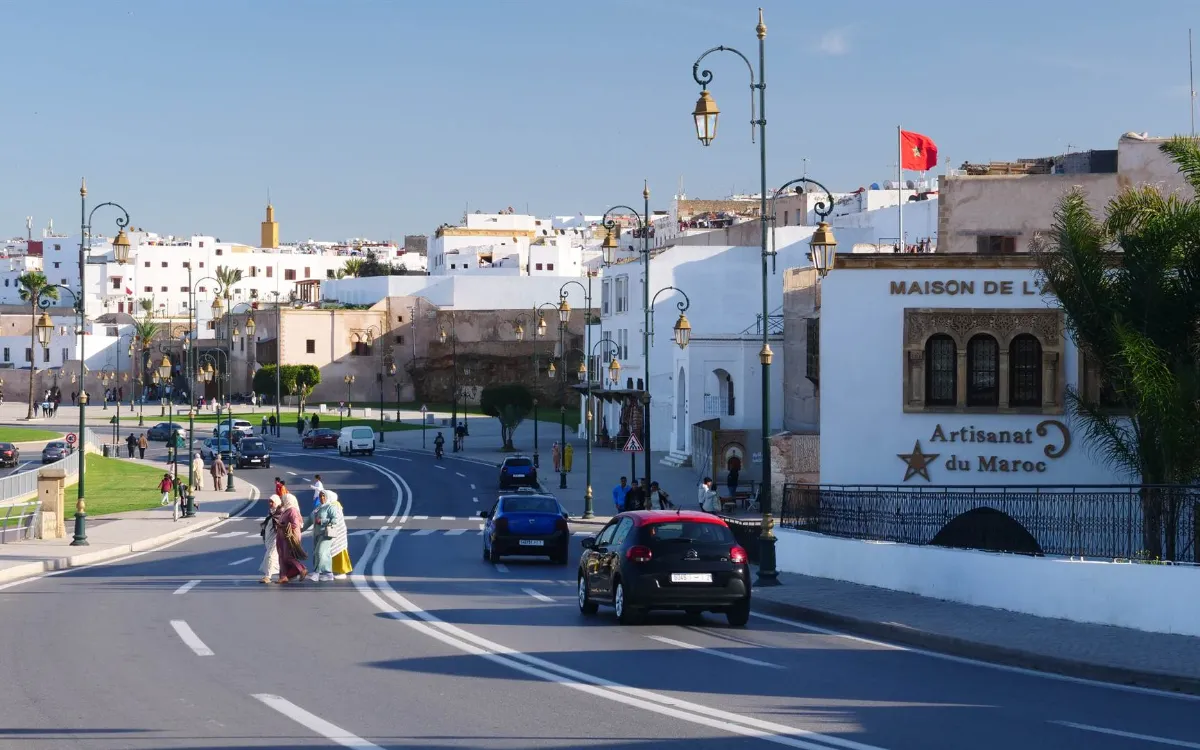
Morocco’s economy booms but household spending lags behind

Morocco’s economy experienced its strongest growth in nearly a decade during 2025, with GDP expanding by 4.9%. However, this headline figure masks a stark disparity: while investment surged by 16.3%, household consumption crept up by just 1.2%.
Behind Morocco’s impressive economic expansion lies an uneven distribution of benefits. The latest economic assessment reveals that the country’s growth is predominantly driven by large-scale investments rather than everyday household spending. This trend raises questions about the trickle-down effect of economic progress.
Infrastructure megaprojects fuel economic acceleration
Investment growth of 16.3% in 2025 follows a remarkable 14% increase the previous year. This exceptional performance stems largely from major public infrastructure initiatives, particularly those tied to preparations for the 2030 World Cup. The construction sector alone grew by 6.7% as the nation mobilized resources for these transformative projects.
The World Bank’s analysis also highlights a gradual recovery in private investment. Since the pandemic era, public sector spending and investments have consistently outpaced nominal GDP growth, reshaping Morocco’s economic landscape.
Government expenditures rose by 5.1% in 2025, driven by expanded social protection programs, public sector wage increases, and enhanced public services. These measures, while boosting economic indicators, have yet to translate into proportional household financial gains.
Household spending remains constrained
Private consumption tells a different story. After growing by 4.7% in 2023, household spending slowed to 3% in 2024 before plummeting to just 1.2% in 2025. This deceleration occurs despite falling inflation to 0.8% and improving consumer confidence, suggesting structural challenges in translating economic growth into household prosperity.
The data reveals that Morocco’s economic momentum remains heavily dependent on public contracts and large-scale projects. While these initiatives drive overall growth, their benefits haven’t yet permeated the average household’s purchasing power to the same extent.
The road ahead: when will growth reach Moroccan homes?
Economic forecasters anticipate a gradual rebalancing in coming years. As current investment cycles mature, analysts predict a shift toward stronger private sector participation and increased household consumption. With inflation projected to remain subdued and real incomes expected to rise, private consumption growth could accelerate to 4.8% by 2028. Until then, Morocco’s economic engine will continue racing ahead of household spending capacity.