
 theafricantribune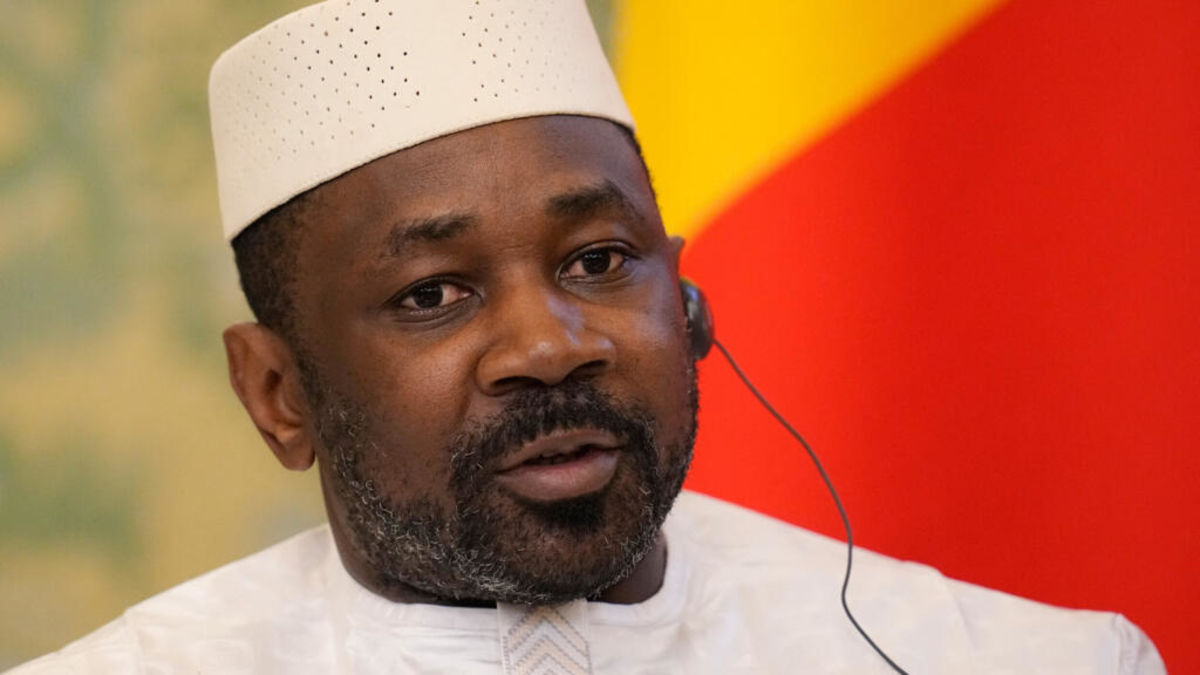
Mali’s Independence Day provokes mixed reactions as opposition challenges leadership
The Mali celebrated its independence day on September 22nd, a national holiday marking 66 years since breaking free from colonial rule. In a televised address the previous evening, General Assimi Goïta, head of the transitional government, highlighted economic progress, vowed to intensify efforts against armed groups, and emphasized national reconciliation. His remarks came during a period when Mali has aligned itself with the Alliance of Sahel States (AES), positioning itself toward greater sovereignty with support from the Russia-backed Africa Corps.
However, Etienne Fakaba Sissoko, spokesperson for the Coalition of Forces for the Republic (CFR)—led by Imam Dicko and composed of exiled political and civil society opponents—strongly contested the official narrative. Speaking to David Baché, Sissoko criticized Goïta’s speech for conflating independence celebrations with the six-year transition period, stating that while patriotism and support for soldiers are commendable, citizens deserve accountability from those in power.
Citizens demand tangible results, not just rhetoric
Sissoko argued that the Malian people are not celebrating but grieving over a nation in deep decline. He emphasized the urgent need for concrete improvements in security, economic stability, and political freedom, asserting that Malians deserve the right to move freely, access reliable electricity, and provide for their families without fear. “We can love our country and stand by our troops without accepting a failed leadership,” he stated.
The opposition leader also took aim at the Russian military partnership, calling its omission from Goïta’s speech a tacit admission of failure. He referenced the recent attack on the Dioura military camp—claimed by the Group to Support Islam and Muslims (JNIM), an al-Qaeda affiliate—in which over a hundred Malian soldiers were killed or captured. “The evidence of this partnership’s shortcomings is clear,” he said, highlighting the stark contrast between the government’s claims and ground realities.
A nation in mourning, not celebration
Concluding his remarks, Sissoko painted a bleak picture of Mali’s current state, declaring that the country’s deterioration has reached historic lows. “Today, Mali is not in a state of celebration. It is in mourning. The regime governing this country does not honor its people,” he declared. His comments reflect growing discontent among citizens and exiled opposition groups who argue that the transition has failed to deliver on its promises of stability and progress.
For more on the challenges facing Mali and the broader Africa region, follow updates on Africa breaking news and African current affairs.

Mariama Hamani
- International
- October 13, 2026
- 10 views
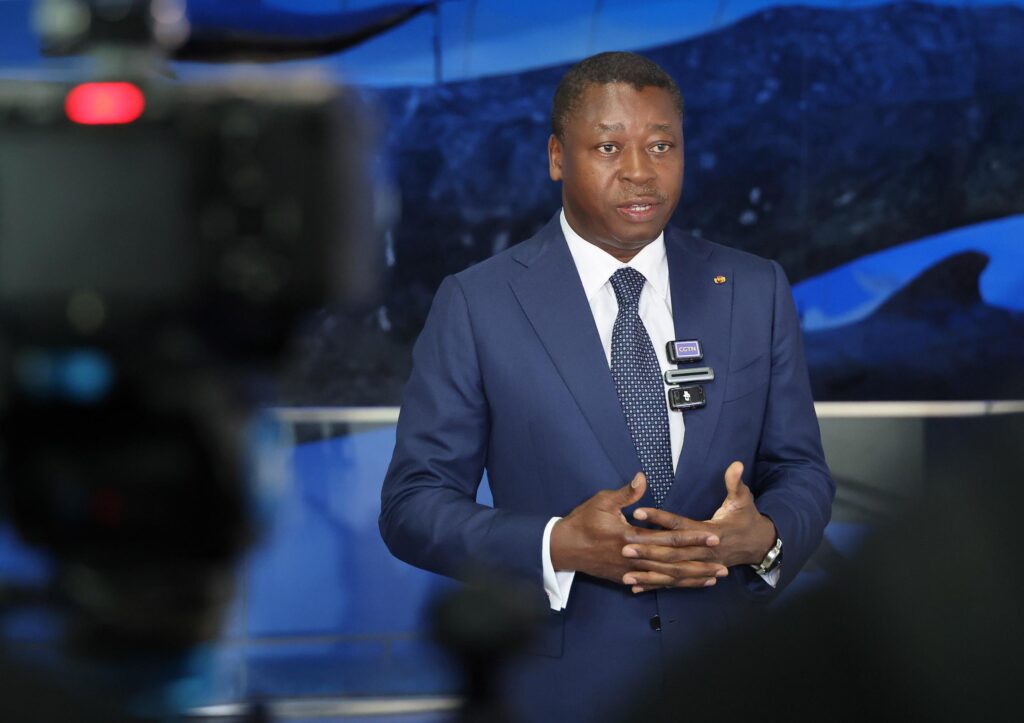
Togo’s three-pronged maritime push: security, port value and ocean science in focus
By Mariama Hamani — Journaliste / Rédacteur
Boureima Amadou
- International
- October 13, 2026
- 12 views
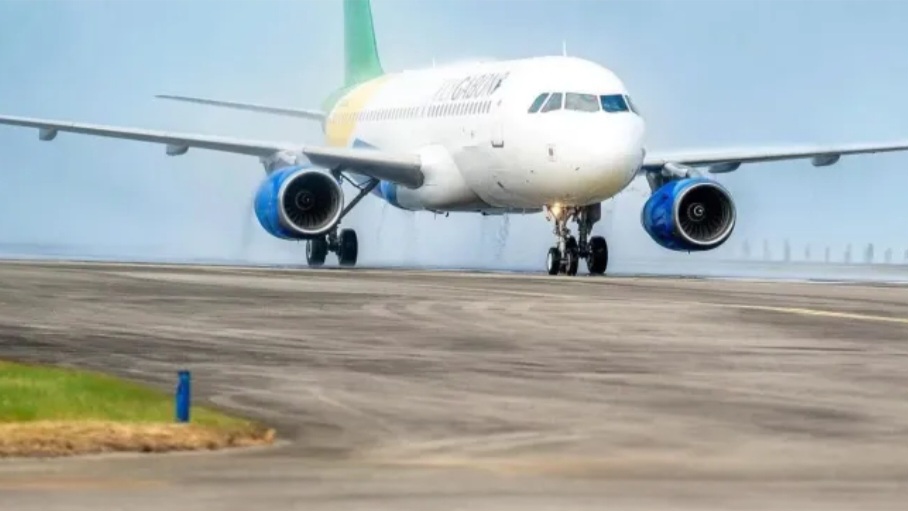
Gabon tightens border security: API-PNR rolls out at Libreville airport to curb international threats
By Boureima Amadou — Journaliste / Rédacteur





