Mariama Hamani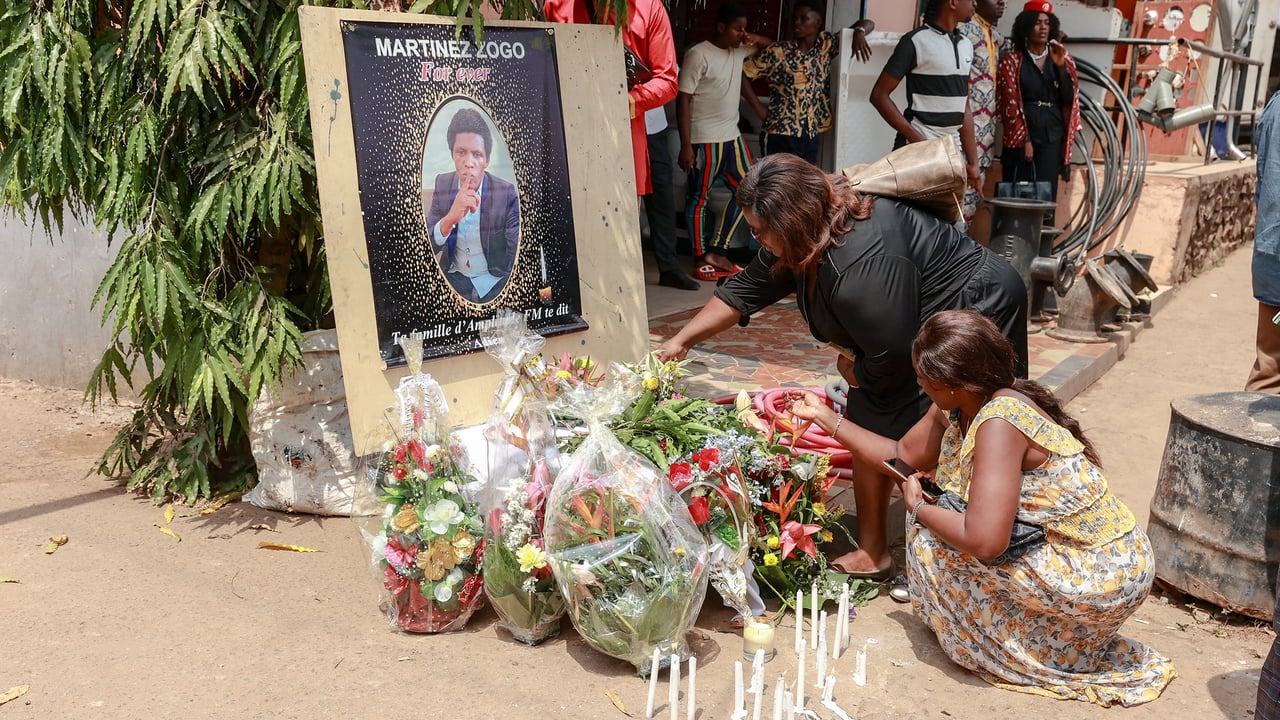

The testimony of Colonel Otoulou in the Martinez Zogo case has cast new light on the circumstances surrounding the investigative journalist’s tragic disappearance. The colonel’s statements, delivered under oath, reveal critical details that could reshape the ongoing investigation.
Key admissions from colonel otoulou
During a high-profile hearing, Colonel Otoulou acknowledged that his unit was indeed involved in the events leading to Martinez Zogo’s detention. He confirmed that operational orders were issued, though he stopped short of detailing who authorised them. His testimony underscores a chain of command that raises serious questions about institutional responsibility.
The colonel also disclosed that Zogo was held in a facility under military jurisdiction for several days before his transfer to another location. These disclosures contradict earlier official statements that claimed no military personnel had any involvement in his custody.
Timeline of events under scrutiny
The newly revealed timeline presents a sequence of events that demands closer examination:
- Initial detention: Zogo was taken into custody following a broadcast that allegedly exposed corrupt practices within certain government circles.
- Military custody: Colonel Otoulou verified that Zogo was held in a military-run facility, where he remained for an unspecified period.
- Transfer and disappearance: The journalist was later moved, and his whereabouts became unknown, sparking widespread outrage and calls for accountability.
Implications for the investigation
The colonel’s admissions have intensified pressure on authorities to accelerate the inquiry. Legal experts argue that these revelations could constitute a turning point, potentially exposing deeper layers of involvement within state institutions. The case, already a symbol of press freedom struggles in the region, now faces a critical juncture.
The investigation team has been tasked with verifying the colonel’s claims and tracing the full extent of institutional engagement in Zogo’s detention. If substantiated, these findings could lead to further judicial proceedings and potentially hold higher-ranking officials accountable.
Public and international response
Since the colonel’s testimony, public outrage has surged, with civil society organisations and media watchdogs demanding transparency. International observers have also weighed in, urging Cameroonian authorities to ensure a thorough and impartial investigation. The case continues to draw global attention, highlighting the risks faced by journalists in the line of duty.
The outcome of this investigation will not only determine justice for Martinez Zogo but also set a precedent for press freedom and accountability in Cameroun.


 Boureima Amadou