Mariama Hamani
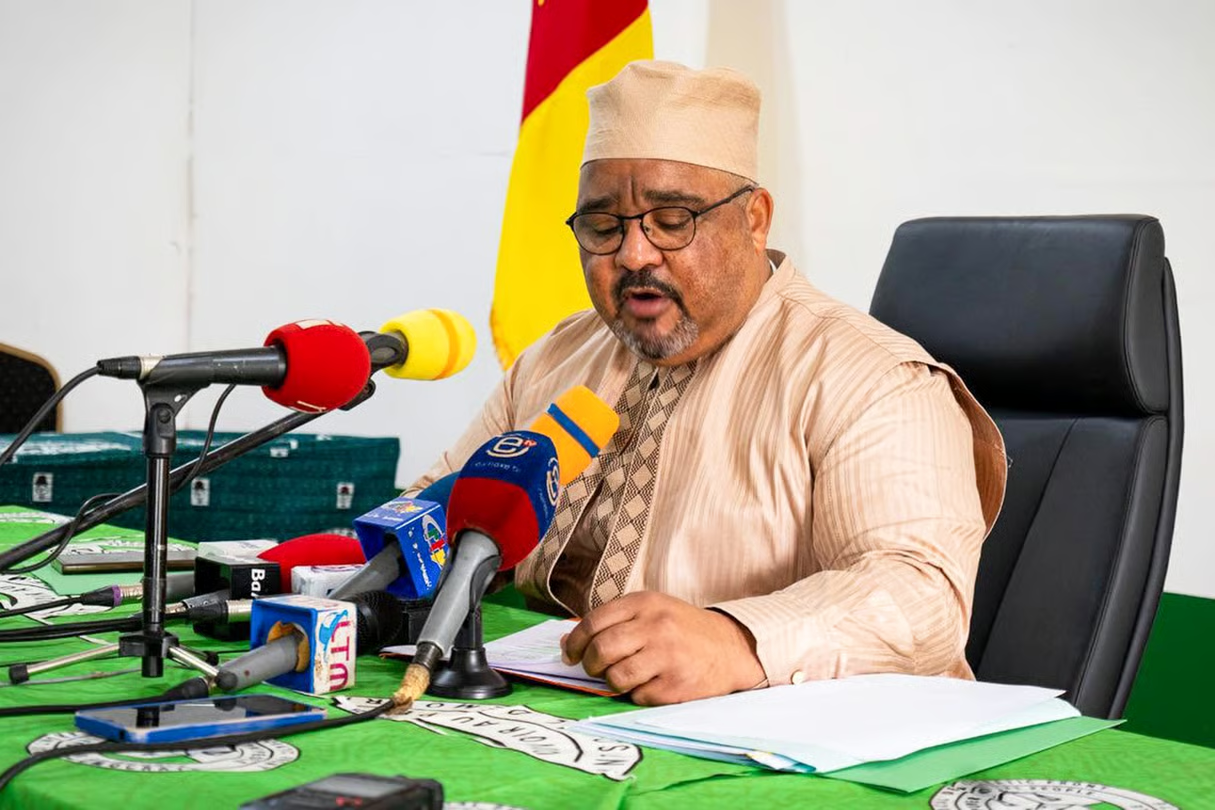
The Social Democratic Front (SDF) has intensified its push to regain political ground in the Northwest Region of Cameroon, with party leader Joshua Osih launching a bold campaign to “Take Back Bamenda.” The initiative signals a strategic shift in the opposition’s approach to the country’s ongoing governance challenges.
Campaign strategy pivots toward grassroots mobilization
The SDF’s renewed focus on Bamenda—a key urban center in the Northwest—reflects a calculated effort to reconnect with voters in a region where the party once held significant influence. Joshua Osih, who has long been a prominent voice in Cameroonian politics, emphasized the urgency of restoring public trust amid escalating frustrations over governance and security.
Speaking from the party’s headquarters in Yaoundé, Osih outlined a multi-pronged plan to address local concerns, including economic hardship, infrastructure deficits, and the lingering effects of regional instability. The campaign’s messaging targets both urban and rural constituents, highlighting the SDF’s commitment to inclusive development and responsive leadership.
Bamenda’s political significance in Cameroon’s evolving landscape
Bamenda remains a critical battleground for political parties vying for dominance in Cameroon’s Anglophone regions. The city’s strategic position and demographic weight make it a bellwether for broader national trends. The SDF’s decision to prioritize Bamenda underscores the party’s recognition of its pivotal role in shaping electoral outcomes.
The campaign’s launch coincides with growing public skepticism toward traditional political structures, with many citizens expressing dissatisfaction over unmet promises and delayed reforms. Osih’s leadership has positioned the SDF as a viable alternative, advocating for policies that prioritize transparency and accountability in governance.
Key promises driving the SDF’s agenda
The party’s campaign is built on several core commitments designed to resonate with voters:
- Economic revitalization: Proposing targeted interventions to stimulate job creation and support small businesses in Bamenda and surrounding areas.
- Infrastructure overhaul: Pledging investments in road networks, healthcare facilities, and educational institutions to bridge regional disparities.
- Security and stability: Advocating for dialogue-based solutions to address the Anglophone crisis while ensuring robust community policing.
- Governance reforms: Championing anti-corruption measures and decentralization to empower local authorities.
Public reception and next steps
Initial reactions to the campaign have been mixed, with supporters praising the SDF’s proactive stance while critics question the feasibility of its ambitious proposals. Political analysts suggest that the party’s success will hinge on its ability to mobilize grassroots support and translate rhetoric into tangible results.
The next phase of the campaign will focus on town hall meetings, community outreach, and strategic alliances with civil society groups. Joshua Osih has called on Cameroonians across the Northwest to unite behind the movement, framing it as a collective effort to reclaim the region’s political voice.
As the SDF ramps up its efforts, all eyes are on Bamenda to see whether the campaign can translate into electoral gains and broader influence in Cameroon’s political arena.


 Boureima Amadou