Mariama Hamani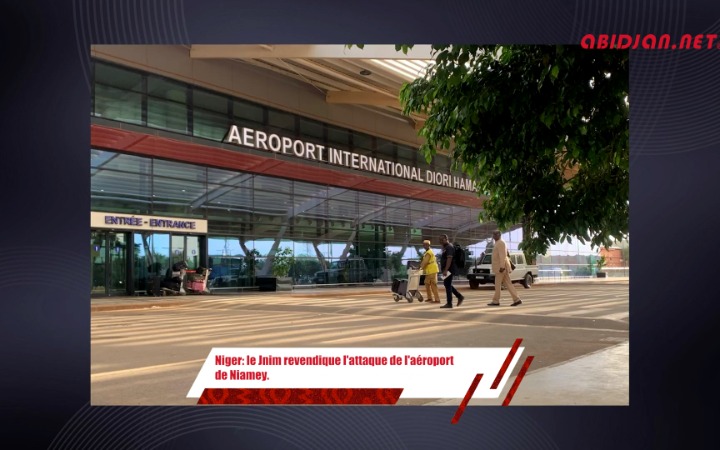
Niger: armed group claims attack on Niamey airport
A Niger-based jihadist faction has publicly claimed responsibility for the recent assault on Niamey’s international airport, marking another escalation in the country’s ongoing security crisis.
The group, which operates under the banner of an extremist movement active across the Sahel, released a statement asserting that its fighters carried out the operation. Security analysts suggest this latest incident underscores the persistent threat posed by armed factions in the region.
The assault, which targeted critical infrastructure, disrupted air traffic and raised concerns among both local authorities and international observers monitoring the West African nation’s stability.
Impact on regional security
The attack on Niamey’s airport highlights the expanding reach of militant groups operating in Niger. While the government has not yet issued an official response, the incident follows a pattern of high-profile strikes designed to undermine state authority and instill fear among civilians.
Experts warn that such attacks could further destabilize the country, already grappling with insurgencies in its northern and western regions. The timing of the assault comes at a delicate moment for Niamey, as it seeks to balance counterterrorism efforts with economic recovery.
Government response and public reaction
Locals in the capital reported hearing explosions and gunfire during the operation, which lasted several hours before security forces regained control. Eyewitness accounts described scenes of panic as travelers and airport staff scrambled for cover.
Though no official casualty figures have been released, the attack has intensified scrutiny over the government’s ability to safeguard key installations. Meanwhile, social media platforms are abuzz with speculation about the group’s motives and potential future targets.
Long-term implications for Niger
The airport strike serves as a stark reminder of the challenges facing Niger as it contends with a multifaceted security crisis. With militant factions exploiting porous borders and weak governance in neighboring states, the country remains vulnerable to further destabilizing violence.
Analysts emphasize that sustained international cooperation and robust domestic policies will be essential in curbing the influence of extremist groups and restoring public confidence in Niger’s institutions.


 Boureima Amadou