Mariama Hamani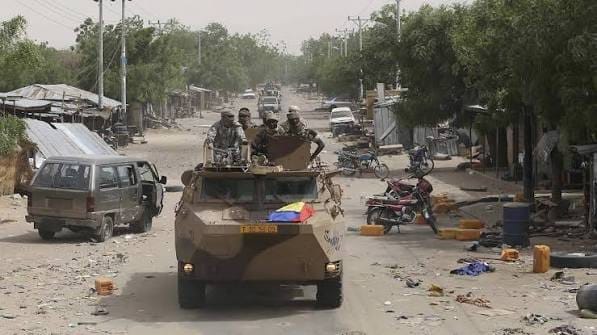
Hundreds displaced after terrorist assaults in southwest Niger
In mid-July, a wave of terrorist assaults struck villages in the southwest region of Niger, forcing hundreds of residents to flee their homes. The attacks, unprecedented in this area near the borders with Nigeria and Bénin, underscore the escalating insecurity gripping the Dosso region since 2025.
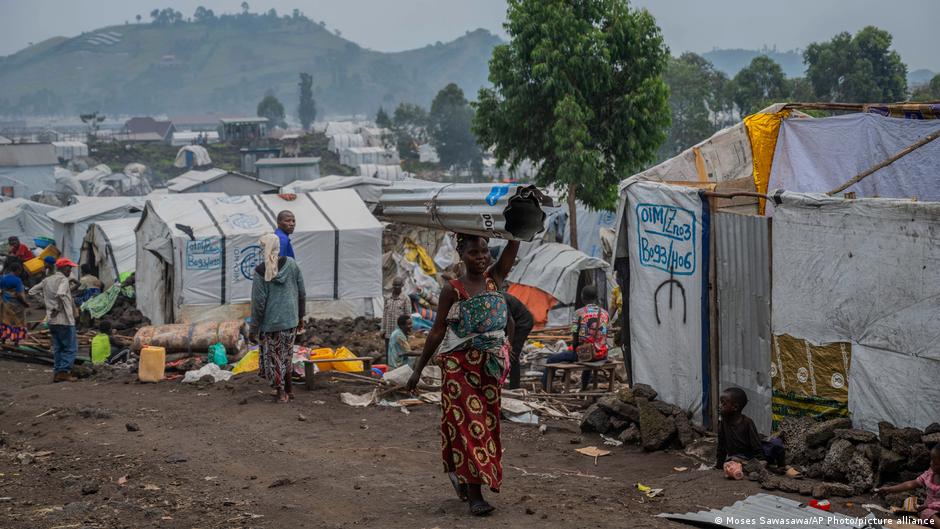
According to conflict monitoring data, these violent incidents mark a disturbing shift as armed groups linked to Al-Qaïda and the Islamic State (IS) have intensified operations along the southwestern frontier. Survivors, as seen in footage aired by national television, have sought refuge in neighboring Tahoua, close to the Nigerian border, while others have relocated to Dogondoutchi, approximately 100 kilometers from Loga.
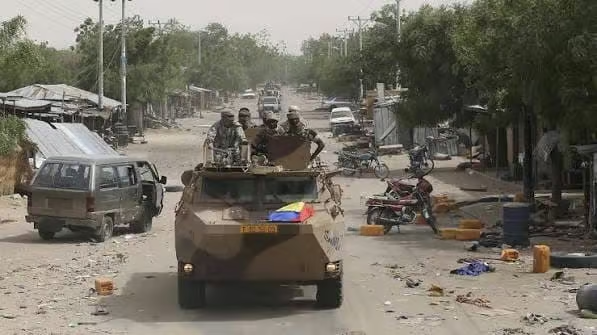 Illustrative photo © DR
The humanitarian toll of a decade of terror
Since 2016, Niger has faced relentless attacks by IS-Sahel and the Jama’at Nusrat al-Islam wal Muslimin (JNIM), an Al-Qaïda affiliate. By 2025, the nation’s internally displaced population had surged to over 450,000, with the majority concentrated in three regions battered by violence: Tillabéri (west), Diffa (southeast), and Tahoua (central-east).
The July 17 assault on a military detachment in western Niger left 16 soldiers dead and 23 wounded, while 15 terrorists were neutralized. This latest strike highlights the growing boldness of armed factions operating across the Sahel, particularly in border zones where state presence remains fragile.
Border regions bear the brunt of violence
The Dosso region, now a new epicenter of terror, has become a critical flashpoint. Its proximity to Nigeria and Bénin makes it a strategic corridor for armed groups, complicating efforts to stem the crisis. The displacement crisis here reflects a broader regional challenge, as neighboring countries grapple with similar threats.
As the humanitarian fallout deepens, local authorities and aid organizations scramble to provide shelter, food, and medical aid to those uprooted by the violence. The situation demands urgent regional cooperation to address both the immediate needs of displaced families and the underlying security vacuum fueling the insurgency.

 Boureima Amadou