
 theafricantribune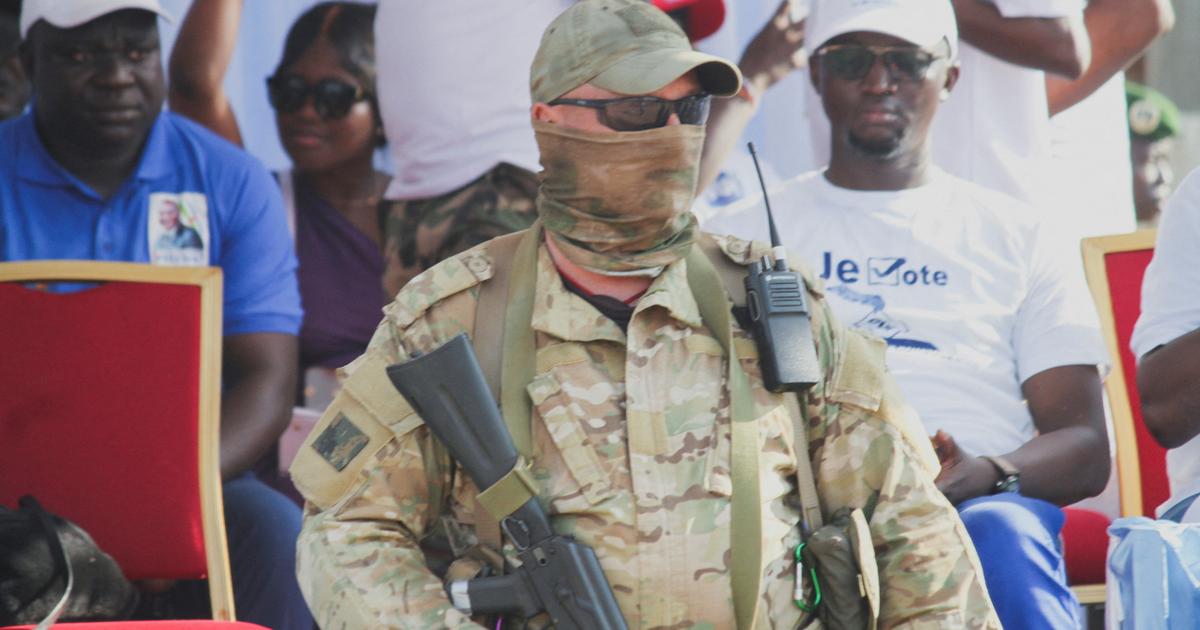
The Russian paramilitary group Wagner has transformed the Central African Republic (CAR) into a major hub for illegal drug trafficking, particularly tramadol, according to The Wall Street Journal. This operation has given the group a new lease on life despite recent setbacks, including the death of its founder, Evgueni Prigojine, in 2023, and the rise of Moscow’s state-backed Africa Corps.
 A Russian Wagner mercenary providing security for Central African Republic President Faustin-Archange Touadéra in Bangui.
From gold mines to opioid trade
Since establishing a presence in 2018, Wagner has leveraged the CAR’s mineral wealth—including gold, diamonds, and uranium—as well as its strategic location to expand its illicit activities. While Africa Corps has taken over Wagner’s operations in countries like Mali, the group remains deeply entrenched in Bangui, where it controls gold mines generating an estimated $180 million (€160 million) annually, per the Global Initiative’s findings.
The tramadol trade, sourced from the Democratic Republic of the Congo via river routes, has become a lucrative revenue stream. Wagner’s fighters distribute the drug across CAR’s markets and neighboring nations, often at inflated prices. Their clientele includes:
- Elite presidential guards,
- The pro-Russian ‘Sharks’ militia, tasked with armed patrols and opposition suppression,
- Gold miners working under Wagner’s protection,
- Protesters and combatants involved in counter-insurgency operations.
Experts quoted in The Wall Street Journal warn that Wagner’s influence could spill into Sudan, potentially through collaborations with the Rapid Support Forces (RSF), which operate near CAR’s borders.
A weakened group regains momentum
The death of Prigojine dealt a severe blow to Wagner’s global operations. However, the group’s ability to pivot toward drug trafficking in the CAR has revitalized its financial and military leverage on the continent. Analysts describe the country as an “ideal environment” for such activities due to its limited Western oversight and abundant resources.
The combination of mineral exploitation and opioid distribution underscores Wagner’s evolving strategy in Africa, where it continues to exploit governance gaps to consolidate power and profit.


 Mariama Hamani
 Boureima Amadou


