Boureima Amadou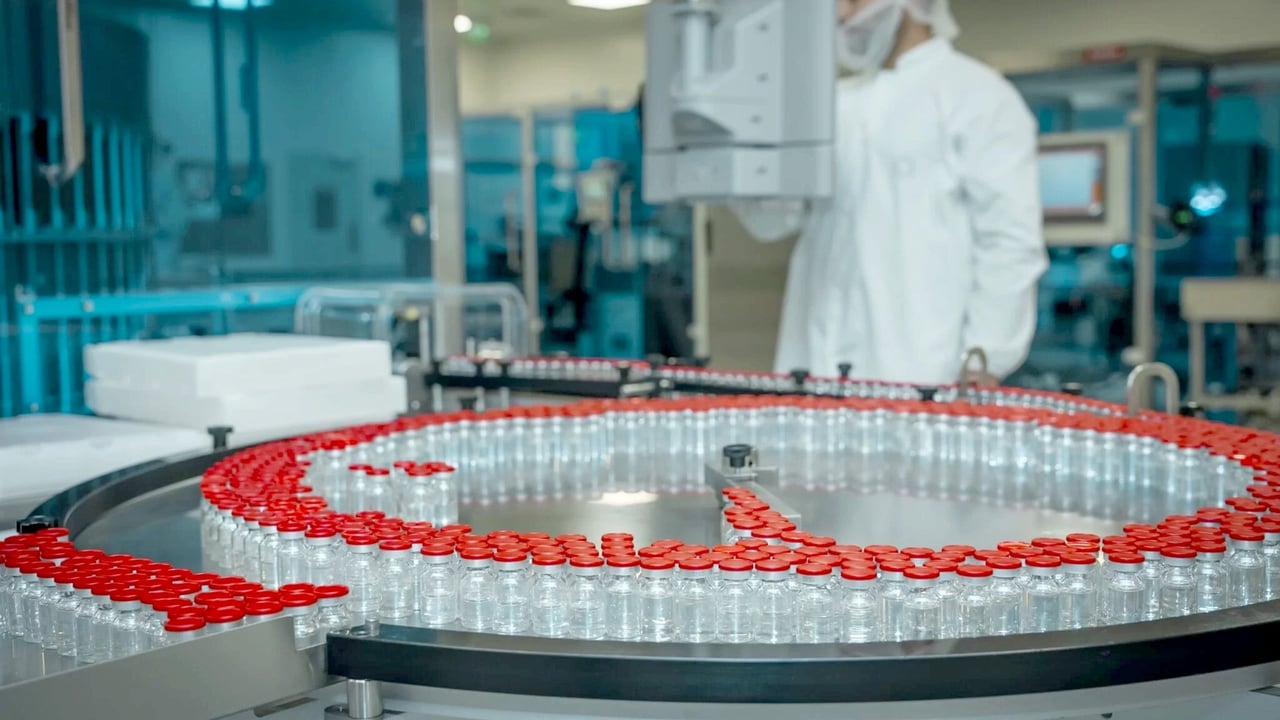

Morocco’s bold initiative to reduce Africa’s reliance on imported medicines
In the heart of Morocco, a visionary project is reshaping the continent’s pharmaceutical landscape. The Cité Industrielle Marbio, a cutting-edge industrial zone, stands as a testament to progress in local drug production. This facility is no ordinary factory—it’s a cornerstone of a larger strategy to bolster Africa’s medical sovereignty.
At the helm of this transformation is King Mohammed VI, whose leadership has galvanized efforts to make Morocco a hub for pharmaceutical innovation in Africa. His vision extends beyond manufacturing; it’s about creating self-sufficiency in healthcare, ensuring that African nations can meet their medical needs without over-reliance on foreign suppliers.
How Marbio is revolutionizing Africa’s pharmaceutical industry
The Cité Industrielle Marbio isn’t just another industrial park—it’s a game-changer. Equipped with state-of-the-art technology, the facility is designed to produce a wide range of essential medications, from life-saving antibiotics to chronic disease treatments. By localizing production, Morocco is not only cutting costs but also ensuring faster access to critical drugs across the continent.
The industrial zone is part of a broader African Union initiative to strengthen the continent’s healthcare systems. By fostering collaboration between African nations, the AU aims to reduce dependency on imports, which often come with prohibitive costs and delays. Marbio serves as a model for other countries looking to replicate this success.
Key benefits of Morocco’s pharmaceutical push
- Cost efficiency: Producing medicines locally slashes expenses, making healthcare more affordable for millions.
- Quality control: Domestic production ensures stringent adherence to international standards, guaranteeing safe and effective treatments.
- Rapid response: Local manufacturing allows for quicker distribution during health crises, a lesson learned from past pandemics.
- Job creation: The project is generating thousands of jobs, boosting local economies and skill development.
King Mohammed VI’s legacy in African healthcare
King Mohammed VI has long championed initiatives that uplift Africa’s healthcare sector. His commitment to this cause is evident in policies that prioritize research, innovation, and infrastructure development. The Cité Industrielle Marbio is just one example of how his leadership is driving tangible change.
By investing in pharmaceutical self-sufficiency, Morocco is setting a precedent for the rest of the continent. The project aligns with the African Union’s Agenda 2063, which envisions a prosperous and healthy Africa. Through strategic partnerships and bold investments, King Mohammed VI is helping turn this vision into reality.
What’s next for Africa’s medical sovereignty?
The success of Marbio could inspire other African nations to follow suit. As more countries develop their own pharmaceutical industries, the continent’s reliance on foreign imports will diminish. This shift will not only enhance healthcare outcomes but also foster economic resilience.
For Africa, the path to medical sovereignty is clear: invest in local production, strengthen regional collaboration, and empower healthcare systems to meet the needs of their people. Morocco’s strides in this direction are a beacon of hope for the entire continent.