Mariama Hamani
Four months after its creation in Montreux, the Joint Expanded Verification Mechanism (MCVE+) — designed to oversee the ceasefire between Kinshasa and the AFC/M23 — remains stalled. The impasse stems from the expulsion of one of the three Congolese officers deployed in mid-July to Goma to represent the FARDC within the framework. The AFC/M23 accused the officer of previously serving in military intelligence. How are Congolese authorities responding? What impact does this paralysis have on the ground?
Origins of the crisis within the verification mechanism
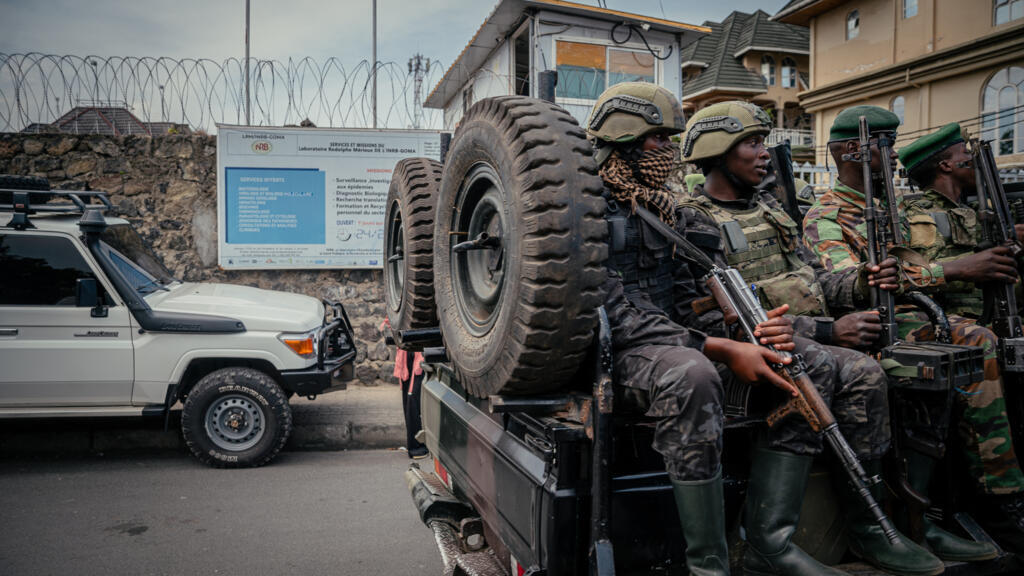
The Joint Expanded Verification Mechanism (MCVE+) was established nearly four months ago in Montreux with the explicit goal of monitoring adherence to the ceasefire agreement between the Democratic Republic of the Congo (DRC) and the AFC/M23 rebel group. Despite its formation, the mechanism has yet to initiate operations. The primary obstacle is the expulsion of a Congolese officer by the AFC/M23, who accused the officer of having prior ties to military intelligence. The officer was one of three Congolese representatives deployed to Goma in mid-July to serve within the FARDC contingent of the mechanism.
Official responses and escalating tensions
Congolese authorities have forcefully rejected the accusations leveled against the expelled officer, dismissing them as unfounded. They argue that the dismissal was an unjustified act that undermines the integrity of the verification process. Meanwhile, the AFC/M23 has not relented, maintaining their stance that the officer’s background makes him unsuitable for participation in the mechanism.
The standoff has left the MCVE+ in a state of paralysis, raising serious concerns about its ability to function effectively. Without the participation of all designated officers, the mechanism’s capacity to verify compliance with the ceasefire terms is severely compromised. This paralysis not only delays critical peace efforts but also exacerbates tensions between the conflicting parties.
Consequences on the ground
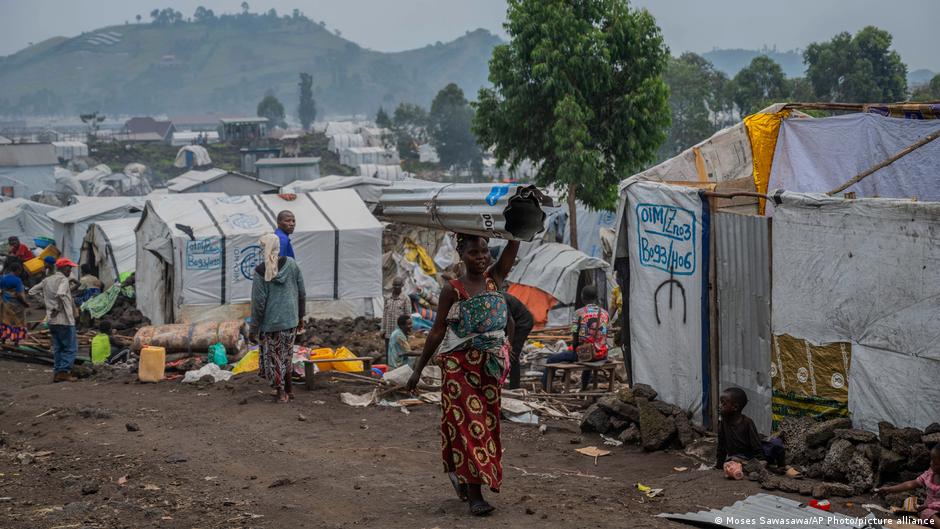
The halt in the MCVE+ operations has tangible repercussions for the civilian population in the region. The lack of monitoring increases the risk of renewed hostilities, as there is no neutral body to verify violations or mediate disputes. Communities in the affected areas are left vulnerable, with little assurance that the fragile peace will hold. The absence of a functioning verification mechanism also undermines international confidence in the ceasefire agreement, potentially complicating diplomatic efforts to resolve the conflict.
As the situation continues to evolve, the need for a resolution becomes ever more pressing. The stalled mechanism not only threatens the progress made in Montreux but also risks deepening the divide between Kinshasa and the AFC/M23. Without urgent intervention, the humanitarian and security situation in eastern DR Congo could deteriorate further.

 Boureima Amadou