
 Mariama Hamani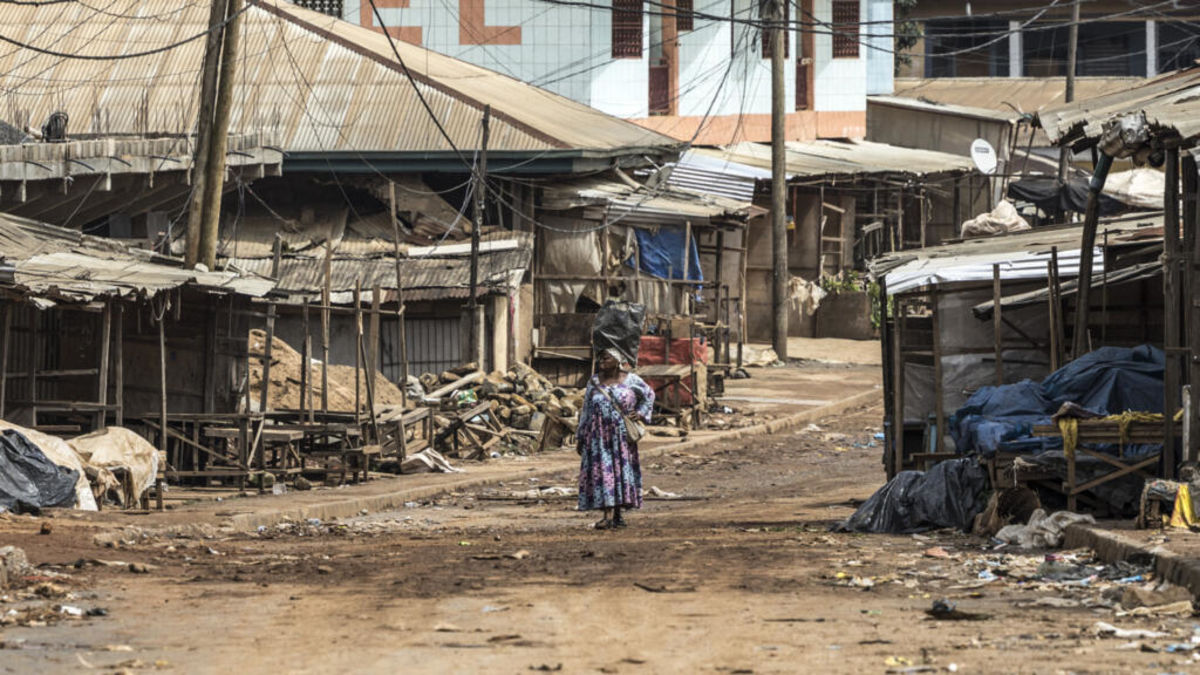
The real-world impact of a ghost town day in Cameroon’s anglophone regions
As Cameroon’s anglophone Northwest and Southwest regions marked another ghost town day on October 1, the consequences for ordinary citizens and businesses were impossible to ignore. The date holds deep historical significance: it commemorates the 1961 reunification of the former French colony with Southern Cameroons, then under British administration. However, many anglophone separatists reject that union. In 2017, on this same date, separatist leaders declared the independence of the Northwest and Southwest regions, setting off a crisis that has now lasted a decade.
In response to the ghost town call issued by separatist groups, Cameroonian authorities deployed security forces across major cities in both regions. By midday, no major incidents had been reported, but daily life had ground to a halt. Residents chose to remain indoors, leaving streets largely empty and economic activity at a near standstill. The impact was felt not only in the two anglophone regions but also rippled through supply chains and markets that depend on these areas.
Security deployment and the cost to local economies
In Bamenda, the Northwest regional capital, military vehicles and patrols were visible at key intersections. One resident described stepping out only briefly for exercise before returning home for the rest of the day. The atmosphere was similar in Buea, the main city in the Southwest, and in surrounding towns, where people also stayed home. While the security presence was described as a deterrent, the shutdown meant lost income for traders, transporters, and small businesses—many of which operate on thin margins. For a region already battered by years of instability, each ghost town day compounds the economic strain.
Social media debates highlight a decade of suffering
On platforms like TikTok, panels featuring the blue and white colors claimed by separatists hosted discussions about the ten-year crisis. These online conversations underscored the toll on civilians: displacement, interrupted education, and loss of livelihoods. In a reflection published on October 1, Khongor Félix Agbor, a lawyer and former detainee linked to the anglophone crisis, remembered the families who have buried loved ones, the displaced, children whose schooling was cut short, those living in fear, and the many still detained.
According to several NGOs, the anglophone crisis has left more than 6,000 dead and hundreds of thousands displaced over the past ten years. For citizens and businesses in the Northwest and Southwest, the consequences are not just political—they are measured in lost lives, shattered communities, and an economy that struggles to recover.


 Boureima Amadou





